Articles Tagged with

hypnotherapy london

Home / hypnotherapy london
Hypnosis in Action
Health

Is Hypnosis Real? How it Works and What Science says.

As a hypnotherapist in London, I often encounter scepticism about hypnosis. Many people wonder: Is hypnosis real, or just a stage trick? The short answer is yes, hypnosis is real, and scientific research backs its effectiveness for therapy, pain management, and behavioural change.

In this article, we’ll explore the science behind hypnosis, how it works, and its proven benefits—so you can make an informed decision about hypnotherapy in London or anywhere else.

What Is Hypnosis?

Hypnosis is a focused state of attention where individuals become more open to suggestion while remaining fully aware. Contrary to popular myths, you cannot be controlled against your will—instead, hypnosis helps bypass the critical mind to promote positive change.

According to Cleveland Clinic, hypnosis is a legitimate therapeutic tool used in clinical settings for:

  • Anxiety & stress relief
  • Smoking cessation
  • Weight loss
  • Pain management
  • Overcoming phobias

The Science Behind Hypnosis

Research shows that hypnosis isn’t just relaxation—it creates measurable changes in brain activity.

1. Hypnosis Alters Brain Function

TIME article highlights studies using fMRI scans, revealing that hypnotised individuals show:

  • Reduced activity in the default mode network (linked to self-focused thoughts)
  • Increased connectivity between brain regions, enhancing focus and suggestibility

This explains why hypnosis helps people break negative thought patterns and adopt healthier habits.

2. Hypnosis for Pain Management

Healthline reports that hypnosis can reduce pain perception by up to 40%, making it a powerful alternative to medication. Studies show it’s effective for:

  • Chronic pain
  • Childbirth (hypnobirthing)
  • Dental procedures

3. Hypnosis & Behavioural Change

The UK Hypnosis Network explains that hypnosis works by accessing the subconscious mind, where habits and emotions reside. This is why it’s so effective for:

  • Quitting smoking
  • Overcoming insomnia
  • Boosting confidence

Debunking Hypnosis Myths

✅ Myth: Hypnosis is mind control.
Fact: You’re always in control—hypnosis simply helps you focus deeply on positive suggestions.

✅ Myth: Only weak-minded people can be hypnotised.
Fact: Research shows that people with higher imagination and focus respond best to hypnosis.

✅ Myth: Hypnosis is just relaxation.
Fact: While relaxation helps, hypnosis induces a unique trance state with proven neurological effects.

Final Verdict: Hypnosis Is Real & Effective

Science confirms that hypnosis is a legitimate therapeutic tool—not magic, but a powerful psychological technique. Whether you’re seeking hypnotherapy in London for anxiety, addiction, or performance enhancement, hypnosis offers a drug-free, evidence-based solution.

Ready to Try Hypnotherapy in London?

As a certified London hypnotherapist, I help clients overcome mental blocks, reduce stress, and achieve lasting change. Book a consultation today and experience the science-backed benefits of hypnosis!

References

  1. Healthline. (n.d.). Is Hypnosis Real? Retrieved from https://www.healthline.com/health/is-hypnosis-real
  2. Cleveland Clinic. (n.d.). Hypnosis. Retrieved from https://my.clevelandclinic.org/health/treatments/22676-hypnosis
  3. TIME. (2018). Is Hypnosis Real? Here’s What Science Says. Retrieved from https://time.com/5380312/is-hypnosis-real-science/
  4. UK Hypnosis. (2019). Is Hypnosis Real or Just Imaginings? Retrieved from https://www.ukhypnosis.com/2019/02/11/is-hypnosis-real-or-just-imaginings/
  5. Deeley, Q. et al. (2012).“Modulation of pain perception by hypnosis and fMRI.”
  6. Jiang, H. et al. (2017).“Brain Mechanisms of Hypnotic Responders.”
    • Findings: Highly hypnotizable individuals show stronger functional connectivity in the dorsolateral prefrontal cortex (suggestibility control).
    • Source: *NeuroImage, 152, 400-410.*
  7. Elkins, G. et al. (2007).“Hypnotherapy for Chronic Pain Management.”
  8. Patterson, D. R., & Jensen, M. P. (2003).“Hypnosis and Clinical Pain.”
  9. Schoenberger, N. E. (2000).“Hypnosis in the Treatment of Anxiety.”
  10. Green, J. P., & Lynn, S. J. (2000).“Hypnosis and Smoking Cessation: A Meta-Analytic Study.”
  11. Palsson, O. S. et al. (2002).“Hypnosis Treatment for Severe IBS.”Findings: 80% of IBS patients improved with hypnosis, with long-term benefits.
  12. Source: *Gastroenterology, 122(7), 1770-1777.*

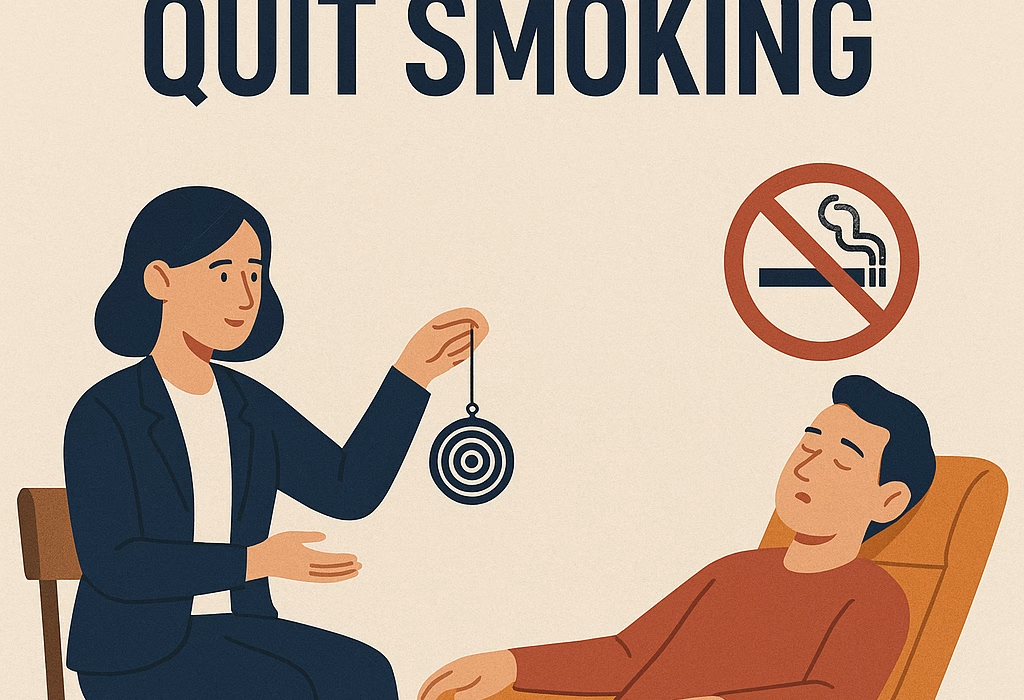
Quit smoking
Health

Quit Smoking for Good with Hypnotherapy in London

Giving up smoking can be one of the most challenging habits to break. It’s not just the nicotine that keeps you hooked—it’s the deeply ingrained routines, the emotional triggers, and the subconscious associations that make quitting so difficult.

Many people try patches, gum, or willpower alone, only to find themselves reaching for another cigarette. But what if you could rewire your mind to effortlessly become a non-smoker? That’s where hypnotherapy comes in—a powerful, fast, and proven method to help you quit smoking for good.

Why Hypnotherapy Works When Other Methods Fail

Most of my clients come to me after hearing about someone who quit smoking in just one session. And yes—it’s absolutely possible. Hypnotherapy has one of the highest success rates for smoking cessation because it works directly with the subconscious mind, where habits and cravings are rooted, and it’s no surprise: studies show hypnotherapy can be 2-3x more effective than nicotine replacement therapy (NRT) or going cold turkey (Green & Lynn, 2000).

Here’s why it works:

  • Targets the subconscious mind (where 95% of habits live) to dismantle cravings at their root.
  • Eliminates withdrawal anxiety by reframing your mental associations with smoking.

Cochrane meta-analysis (Barnes et al., 2019) found hypnosis significantly improved quit rates compared to minimal intervention, while a Mayo Clinic review acknowledges its potential to “alter subconscious triggers” that sustain addiction.

Unlike other methods that rely on willpower or nicotine replacement, hypnotherapy helps you:

  • Remove the psychological addiction – Breaking the mental patterns that make you reach for a cigarette.
  • Reset your identity – Shifting your self-image from “someone trying to quit” to a natural non-smoker.
  • Eliminate cravings – Many clients report that after hypnosis, they simply forget about smoking.

How Does Hypnotherapy Work So Quickly?

Your subconscious mind controls 95% of your behaviors, habits, and automatic responses. When you’re hypnotized, you enter a deeply relaxed state where your mind is open to positive suggestions.

In this state, we can:
✔ Reprogram your associations with smoking (so cigarettes no longer feel rewarding).
✔ Strengthen your motivation by aligning quitting with your deepest values (health, family, freedom).
✔ Install new, healthier habits to replace smoking effortlessly.

Imagine waking up one day and realizing you no longer think about cigarettes—no cravings, no struggle, just freedom. That’s the power of hypnotherapy.

The Life-Changing Benefits of Quitting Smoking

When you become a non-smoker, you’ll experience:

  • Better health – Reduced risk of cancer, heart disease, and lung damage.
  • More energy – Improved breathing, circulation, and stamina.
  • Sharper mind – No more brain fog; better focus and mental clarity.
  • Financial freedom – Save thousands per year by not buying cigarettes.
  • Confidence & control – Prove to yourself that you can change any habit.

Why Keep Struggling When You Can Quit Easily?

You’ve tried willpower. You’ve tried cutting down. Maybe you’ve even tried quitting before, only to start again. This time, let your mind do the work for you.

Hypnotherapy offers the fastest, most natural way to become a non-smoker—without withdrawal, cravings, or constant struggle.

Ready to quit for good?
👉 Contact me to start your smoke-free life today.

“You don’t have to quit smoking—you just have to become a non-smoker.”

References

  1. Green, J. P., & Lynn, S. J. (2000). Hypnosis and suggestion-based approaches to smoking cessation: An examination of the evidence. International Journal of Clinical and Experimental Hypnosis, 48(2), 195-224.
  2. Barnes, J., McRobbie, H., Dong, C. Y., Walker, N., & Hartmann-Boyce, J. (2019). Hypnotherapy for smoking cessation. Cochrane Database of Systematic Reviews, 6(6), CD001008.
  3. Mayo Clinic (2022). Hypnosis for smoking cessation: Does it work? Retrieved from https://www.mayoclinic.org/
  4. American Heart Association (2023). Benefits of Quitting Smoking. Retrieved from https://www.heart.org/
  5. Centers for Disease Control and Prevention (CDC, 2023). Health Benefits of Quitting Smoking Over Time. Retrieved from https://www.cdc.gov/
Gastrointestinal System
Health, Lifestyle

Gut-Directed Hypnotherapy for SIBO: How to Heal Your Mind-Gut Connection Naturally

Small Intestinal Bacterial Overgrowth (SIBO) is a complex and often frustrating condition that affects millions of people worldwide. Characterized by an overgrowth of bacteria in the small intestine, SIBO can lead to a host of uncomfortable symptoms, including bloating, gas, abdominal pain, diarrhea, constipation, and malabsorption of nutrients. While antibiotics and dietary changes are commonly prescribed treatments, many patients find that these approaches only provide temporary relief or fail to address the root cause of the issue. This is where gut-directed hypnotherapy comes in—a powerful, evidence-based tool that can help clear SIBO by addressing the mind-gut connection.

Small Intestine Bacterial Overgrowth (SIBO) Illustration courtesy of Freepik

Understanding SIBO and the Mind-Gut Connection

SIBO occurs when bacteria that normally reside in the large intestine migrate to the small intestine, where they don’t belong. This overgrowth disrupts digestion, leading to the symptoms mentioned above. While factors like diet, antibiotics, and gut motility issues can contribute to SIBO, emerging research highlights the role of stress and the brain-gut axis in the development and persistence of the condition.

The brain-gut axis is a bidirectional communication system between the central nervous system and the enteric nervous system (the “second brain” in the gut). Stress, anxiety, and trauma can disrupt this communication, leading to changes in gut motility, immune function, and bacterial balance. This is why many people with SIBO also struggle with conditions like irritable bowel syndrome (IBS), anxiety, and depression.

What is Gut-Directed Hypnotherapy?

Gut-directed hypnotherapy is a specialized form of hypnotherapy designed to address gut-related issues by calming the nervous system and restoring balance to the brain-gut axis. During a session, a trained hypnotherapist guides the patient into a deeply relaxed state and uses visualization, suggestion, and other techniques to promote healing in the gut.

Research has shown that gut-directed hypnotherapy can significantly improve symptoms of IBS, which often overlaps with SIBO. Studies have demonstrated that hypnotherapy can reduce pain, bloating, and irregular bowel movements while improving overall quality of life. While less research has specifically focused on SIBO, the principles of gut-directed hypnotherapy make it a promising complementary treatment for this condition.

How Gut-Directed Hypnotherapy Can Help Clear SIBO

  1. Reducing Stress and Calming the Nervous System
    Chronic stress is a major contributor to SIBO, as it can impair gut motility and create an environment where bacteria thrive. Gut-directed hypnotherapy helps activate the parasympathetic nervous system (the “rest and digest” mode), which counteracts the effects of stress and promotes healthy digestion.
  2. Improving Gut Motility
    One of the key factors in SIBO is impaired motility in the small intestine, which allows bacteria to accumulate. Hypnotherapy can help regulate the migrating motor complex (MMC), the wave-like contractions that clear bacteria from the small intestine between meals. By enhancing the MMC, hypnotherapy can help prevent bacterial overgrowth.
  3. Restoring Balance to the Brain-Gut Axis
    Hypnotherapy works to rewire the brain-gut connection, reducing hypersensitivity in the gut and improving communication between the brain and the digestive system. This can help alleviate symptoms like pain, bloating, and irregular bowel movements.
  4. Addressing Emotional Triggers
    Many people with SIBO have a history of trauma, anxiety, or chronic stress, which can exacerbate gut issues. Hypnotherapy provides a safe space to process and release these emotions, reducing their impact on the gut.
  5. Enhancing the Effectiveness of Other Treatments
    Gut-directed hypnotherapy can be used alongside antibiotics, probiotics, and dietary changes to enhance their effectiveness. By addressing the mind-gut connection, hypnotherapy can help create a more favorable environment for healing.

What to Expect in a Gut-Directed Hypnotherapy Session

During a gut-directed hypnotherapy session, you’ll be guided into a state of deep relaxation. Your therapist may use imagery, such as visualizing a calm, healing light flowing through your digestive system, or suggest positive affirmations to reinforce healthy gut function. Over time, these sessions can help retrain your brain and gut to work together more harmoniously.

Many people begin to notice improvements in their symptoms after just a few sessions, though the number of sessions needed varies depending on the individual. Hypnotherapy is a safe, non-invasive, and drug-free approach that can be tailored to your specific needs.

A Holistic Approach to SIBO Healing

While gut-directed hypnotherapy is not a standalone cure for SIBO, it is a valuable tool in a holistic treatment plan. By addressing the mind-gut connection, hypnotherapy can help break the cycle of stress and dysfunction that perpetuates SIBO. Combined with dietary changes, probiotics, and other therapies, it can support long-term healing and help you regain control of your gut health.

If you’re struggling with SIBO and haven’t found relief through conventional treatments, consider exploring gut-directed hypnotherapy. It may be the missing piece in your journey to healing.


About the Author
Antonios Koletsas is a certified hypnotherapist who specializes in gut-directed hypnotherapy for SIBO, IBS, and other digestive disorders. Passionate about helping clients heal from the inside out, Antonios combines evidence-based techniques with a compassionate, personalized approach to support lasting change. Contact Antonios today to learn more about how hypnotherapy can help you reclaim your gut health by submitting the contact form or calling 020 7101 3284.

References

  1. SIBO Overview
    Ghoshal, U. C., Shukla, R., & Ghoshal, U. (2017). Small intestinal bacterial overgrowth and irritable bowel syndrome: A bridge between functional organic dichotomy. Gut and Liver, 11(2), 196–208. https://doi.org/10.5009/gnl16126
  2. Brain-Gut Axis and Stress
    Mayer, E. A., Tillisch, K., & Gupta, A. (2015). Gut/brain axis and the microbiota. Journal of Clinical Investigation, 125(3), 926–938. https://doi.org/10.1172/JCI76304
  3. Hypnotherapy for IBS
    Whorwell, P. J., Prior, A., & Faragher, E. B. (1984). Controlled trial of hypnotherapy in the treatment of severe refractory irritable bowel syndrome. The Lancet, 324(8414), 1232–1234. https://doi.org/10.1016/S0140-6736(84)92793-4
  4. MMC Dysfunction and SIBO
    Pimentel, M., Soffer, E. E., Chow, E. J., Kong, Y., & Lin, H. C. (2002). Lower frequency of MMC is found in IBS subjects with abnormal lactulose breath test, suggesting bacterial overgrowth. Digestive Diseases and Sciences, 47(12), 2639–2643. https://doi.org/10.1023/A:1021039032413
  5. Stress and Gut Microbiota
    Foster, J. A., Rinaman, L., & Cryan, J. F. (2017). Stress & the gut-brain axis: Regulation by the microbiome. Neurobiology of Stress, 7, 124–136. https://doi.org/10.1016/j.ynstr.2017.03.001
  6. Hypnotherapy and Gut Motility
    Simrén, M., Ringström, G., Björnsson, E. S., & Abrahamsson, H. (2004). Treatment with hypnotherapy reduces the sensory and motor component of the gastrocolonic response in irritable bowel syndrome. Psychosomatic Medicine, 66(2), 233–238. https://doi.org/10.1097/01.psy.0000116964.76529.6e
  7. Emotional Triggers and Gut Health
    Bradford, K., Shih, W., Videlock, E. J., Presson, A. P., Mayer, E. A., Chang, L., & Naliboff, B. D. (2012). Association between early adverse life events and irritable bowel syndrome. Clinical Gastroenterology and Hepatology, 10(4), 385–390. https://doi.org/10.1016/j.cgh.2011.12.018
  8. Integrative Approaches to SIBO
    Chey, W. D., Kurlander, J., & Eswaran, S. (2015). Irritable bowel syndrome: A clinical review. JAMA, 313(9), 949–958. https://doi.org/10.1001/jama.2015.0954
  9. Vagus Nerve and Digestion
    Bonaz, B., Sinniger, V., & Pellissier, S. (2017). The vagus nerve in the neuro-immune axis: Implications in the pathology of the gastrointestinal tract. Frontiers in Immunology, 8, 1452. https://doi.org/10.3389/fimmu.2017.01452
  10. Rome IV Criteria for Functional Gut Disorders
    Drossman, D. A., & Hasler, W. L. (2016). Rome IV—Functional GI disorders: Disorders of gut-brain interaction. Gastroenterology, 150(6), 1257–1261. https://doi.org/10.1053/j.gastro.2016.03.035
Health

What Science Says About Hypnotherapy?

When people think of hypnosis, they often envision stage performances featuring a clock-swinging magician or scenes where volunteers reveal secrets while under a spell. However, hypnosis has a solid scientific foundation and has been shown through clinical research to alleviate pain, reduce anxiety, support smoking cessation, assist with weight loss, and improve sleep quality. It can also help children and teenagers regulate emotions and behaviors. Additionally, self-hypnosis is a practice some individuals use to manage stress and enhance overall well-being.

Hypnosis is characterized by an immersive, non-judgmental state of deep relaxation, which has been studied and refined for centuries. The term “hypnosis” was popularized in the 19th century by Dr. James Braid, a Scottish surgeon who discovered that focused concentration could make the mind more receptive to suggestions. Although this discovery was initially met with skepticism, the medical community has gradually explored and expanded its use over time.

A certified hypnotherapist typically begins by assessing a client’s susceptibility to hypnosis, as not everyone has the same level of responsiveness—though research indicates around two-thirds of adults are receptive. The therapist then guides the individual into a state of deep relaxation, often by evoking sensory imagery such as the sounds of the ocean or the warmth of the sun. The goal is to help the person enter a focused and calming mental space where their immediate surroundings fade into the background.

This process induces a state referred to as the “hypnotic state,” characterized by a combination of dissociation, immersion, and heightened openness. It allows people to become more responsive to therapeutic suggestions, which can help them detach from past traumas or visualize solutions to current challenges. For some, a single session is sufficient to bring about change, while others might incorporate hypnotherapy as an ongoing part of their mental health care.

Entering and emerging from hypnosis is similar to other altered states of consciousness, such as a “flow state,” where a person becomes deeply engrossed in an activity and loses track of time, or during meditation. Unlike meditation, however, hypnosis focuses on making individuals more open to specific suggestions. Self-hypnosis is also accessible to many, supported by apps that guide users through the process and promote goals like stress relief or behavior change.

Modern brain-imaging studies have provided insights into what happens in the brain during hypnosis. For instance, activity in areas related to task-switching can diminish, and connections to regions responsible for self-reflection may weaken. This could explain why individuals in a hypnotic state often report reduced self-consciousness. Additionally, parts of the brain involved in autonomic functions like heart rate and breathing may relax, contributing to the physical calmness often experienced.

Hypnosis has even found applications in surgical settings. For example, in certain breast cancer surgeries, patients may choose between general anaesthesia and localized anaesthesia combined with hypnotherapy. This approach, known as “hypnosedation,” has been studied in clinical trials and linked to reduced preoperative anxiety, minimized pain medication requirements, and less post-surgery discomfort.

Despite growing evidence supporting the use of hypnosis, challenges and skepticism remain. The lack of double-blind study designs in hypnosis research poses a difficulty since participants and practitioners inevitably know when hypnosis is being used. Moreover, while hypnosis has powerful potential, it has sometimes been misused, such as in attempts to recover false memories, leading to legal restrictions on such practices.

When applied by trained professionals, hypnosis can be a valuable tool for meaningful transformation. Susceptibility to suggestion, often seen as a vulnerability, can be harnessed as a source of strength in therapeutic contexts.

To discuss how I can help you with Hypnotherapy click here or call 020 7101 3284

Hypnotherapist Antonios

Health, Lifestyle

Overcoming Addiction: The Role of Hypnotherapy in Alcohol and Substance Abuse Recovery

How Hypnotherapy Can Help with Addictions

Designed by Freepik

Addictions are easy to define. We think of them as some impulse that we cannot control and give up to indulge in whatever we are addicted to, getting some temporary relief. However, people experience different kinds of addictions that manifest in various forms throughout their lives sometimes. We believe that this person has an “addictive personality,” which somehow creates a label for that individual and a belief that this is how their life is or this is what happens to them.

From my experience working with individuals throughout my career, whom I have helped overcome their addictions, I have found that in most cases, if not all of them, addictions were just a masking of sorts of pain, usually emotional. Now, this is contrary to popular belief that addictions are a weak side of someone’s personality. It turns out that when we engage with that painful part and deal with its needs, addictions subside and eventually disappear, giving the individual a sense of control over their life again.

This sounds very encouraging to know that we now have the tools and can turn someone’s life into a better and more fulfilling one in many aspects. Below, I will list a few different events that can lead to addictions, and then we will discuss how hypnotherapy can be a powerful tool to heal those addictions:

  • Emotional abuse
  • Pain (psychological and physical)
  • Neglect from parents or partners
  • Emotional trauma
  • Unfulfilled relationships
  • Childhood trauma
  • Tragic loss of a significant person
  • Anxiety
  • Depression
  • Physical injury

Now, this is a very complex psychological phenomenon in which we don’t have the right language to fully express how someone feels or experiences their life. But we can say for sure that if someone is addicted to something, in most cases they are seeking help. But how can Hypnotherapy help with addictions?

The answer is also complex; however, we have this wonderful tool of hypnosis that we can utilize to bypass the conscious mind and get straight to the root of the problem in a relatively short time. Hypnosis used under a skillful and trained hypnotherapist can significantly impact someone’s life for the better in a very short timeframe. Usually, 2-3 sessions are enough to address the addictive parts of the psyche and heal those parts of the personality to move forward from the addictions. Hypnotherapy is one of the most successful treatments for addictions nowadays and has been praised for its efficiency in the scientific community.

If you are suffering from addictions or know someone who may need help, then I suggest calling me at 020 7101 3284 or contact me directly and discuss further how I can help you overcome your addiction. 

Sources

https://www.hypnotherapy-directory.org.uk/topics/drug-addiction.html

https://www.webmd.com/mental-health/addiction/what-to-know-hypnosis-alcoholism

https://openriver.winona.edu/cgi/viewcontent.cgi?article=1185&context=counseloreducationcapstones

https://www.rcpsych.ac.uk/mental-health/treatments-and-wellbeing/hypnosis-and-hypnotherapy

https://www.nhs.uk/live-well/addiction-support/drug-addiction-getting-help

https://pubmed.ncbi.nlm.nih.gov/15376606

Shows human has pain in different parts of the body
Health

Is Hypnotherapy the Key to Your Pain Relief? Find Out Now!

Is Hypnotherapy the Key to Your Pain Relief? Find Out Now!

Why do I feel pain? Pain is a complex sensation that most of us experience at some point in our lives. It can be physical, resulting from injury or disease, but it can also be emotional or psychological. While physical pain is often localized to a specific area of the body, emotional and psychological pain can manifest differently. Interestingly, this type of pain is frequently experienced as headaches or migraines, often centered around the skull area.

Many people wonder why pain sometimes returns quickly after taking a painkiller. This occurrence is common and can be due to various factors, including the type of pain, the effectiveness of the medication, and individual physiology. It’s important to note that chronic pain, whether physical or emotional, can persist without an apparent ongoing cause. Some individuals may experience what they describe as chronic migraines or headaches ‘without a reason,’ which could be related to underlying emotional or psychological factors.

Today we will explore what pain is and how we can treat pain with Hypnotherapy.

Shows human has pain in different parts of the body

Understanding Pain

Pain is more than just a physical sensation. It involves:

  • Physical sensations in the body
  • Emotional responses like anxiety or depression
  • Cognitive factors such as attention and expectations

Chronic pain, which persists for over 6 months, can be particularly challenging to treat with conventional methods alone.

If you are experiencing pain, it is always recommended to consult your doctor. They can investigate further to identify the cause and determine the most appropriate treatment. Several illnesses and conditions are commonly associated with pain, including:

Arthritis
Arthritis involves inflammation and stiffness in the joints, with pain ranging from mild to severe depending on the condition’s severity. This can make daily activities challenging.

Cancer
Many cancer patients experience pain, which may result from tumors or cancer treatments. The level of pain varies based on individual circumstances.

Cluster headaches and migraines
Cluster headaches cause intense, sudden pain in the head, lasting from 15 minutes to three hours and often occurring in clusters, causing significant discomfort. Migraines are another severe type of headache, often accompanied by vomiting and sensitivity to light and sound. If you frequently suffer from migraines, your doctor may prescribe medication.

Complex Regional Pain Syndrome (CRPS)
This condition usually develops after an injury, with pain that persists and is often disproportionate to the initial injury.

Endometriosis
Endometriosis is a gynecological condition where cells similar to those in the womb are found in other body parts. While some experience no pain, most suffer from pelvic pain, severe menstrual cramps, and pain during or after intercourse.

Fibromyalgia
Fibromyalgia’s cause remains largely unknown, but it is characterized by widespread muscle pain and stiffness. Treatment often includes pain relief, physical therapy, and relaxation techniques.

Multiple Sclerosis (MS)
MS affects the brain, nerves, and spinal cord, with about half of those affected experiencing pain. This may be musculoskeletal due to pressure on muscles and joints or neuropathic, with damaged nerve fibers causing a burning or stabbing sensation.

Sciatica and back pain
Sciatica occurs when the sciatic nerve becomes irritated, often due to a slipped disc, leading to leg pain. Other types of back pain may result from previous injuries or muscle overuse.

What is emotional pain and what can I do about it?

Emotional pain is a complex and deeply unpleasant psychological experience that can significantly impact a person’s well-being. Here’s an overview of emotional pain and some strategies for managing it:

Understanding Emotional Pain

Emotional pain refers to intense negative feelings and mental suffering that are not directly caused by physical stimuli. It can be described as:

  • A state of “feeling broken” involving a sense of loss, disconnection, and negative self-awareness
  • An aversive feeling associated with perceptions of negative changes in the self and its functioning
  • Intense dysphoric effects like sorrow, shame, emptiness, and loneliness

Emotional pain often stems from:

  • Loss of significant relationships
  • Trauma or abuse
  • Frustrated psychological needs
  • Social rejection or isolation
  • Failure to meet personal standards or expectations

Impact of Emotional Pain

Severe emotional pain can:

  • Be as distressing as physical pain
  • Increased risk of depression and suicidal thoughts
  • Amplify physical pain conditions
  • Impair daily functioning and quality of life

Strategies for Managing Emotional Pain

  1. Seek professional help: A mental health professional can provide therapy and coping strategies tailored to your situation.
  2. Practice emotional awareness: Learn to identify and label your emotions accurately.
  3. Express your feelings: Share your pain with trusted friends, family, or support groups.
  4. Use mindfulness techniques: Mindfulness can help you observe painful emotions without being overwhelmed by them.
  5. Engage in self-care: Prioritize sleep, nutrition, exercise, and activities you enjoy.
  6. Challenge negative thoughts: Work on reframing overly negative or self-critical thinking patterns.
  7. Set achievable goals: Accomplish small tasks to build self-esteem and a sense of control.
  8. Practice self-compassion: Treat yourself with kindness and understanding.
  9. Explore relaxation techniques: Try deep breathing, progressive muscle relaxation, or guided imagery.
  10. Consider medication: In some cases, antidepressants or other medications may be helpful when prescribed by a doctor.

How Hypnotherapy can help with pain?

Hypnotherapy has emerged as a powerful tool for managing both acute and chronic pain conditions. By harnessing the mind-body connection, hypnosis can significantly alter pain perception and provide relief for many patients.

Mechanisms of Pain Relief through Hypnosis

Altering Pain Perception

Hypnosis can effectively “close the gate” on pain pathways, blocking pain signals from reaching the brain. While it doesn’t eliminate the source of pain, hypnotherapy changes how the brain interprets pain signals, reducing the overall sensation of discomfort.

Relaxation and Stress Reduction

Pain often leads to increased muscle tension and stress, which can exacerbate discomfort. Hypnosis induces deep relaxation, activating the parasympathetic nervous system and reducing overall tension. This relaxation response helps interrupt the pain-tension cycle.

Refocusing Attention

Hypnotic techniques can help redirect attention away from pain sensations and onto more pleasant imagery or experiences. By training the brain to focus on soothing scenes or sensations, hypnotherapy can significantly reduce pain awareness.

Effectiveness for Various Pain Conditions

Research has demonstrated the efficacy of hypnosis for a wide range of pain conditions:

  • Chronic pain associated with fibromyalgia, arthritis, and cancer
  • Acute pain related to medical procedures or surgery
  • Low back pain
  • Headaches and migraines
  • Irritable bowel syndrome

Studies have shown an average 29% reduction in pain for patients receiving hypnotic interventions.

Advantages of Hypnotherapy for Pain Management

Hypnotherapy offers several benefits as a pain management tool:

  • Non-invasive and drug-free approach
  • No side effects, unlike many pain medications
  • Can be used alongside other treatments
  • Empower patients with self-management tools
  • May reduce reliance on pain medications

Hypnotic Techniques for Pain Relief

Hypnotherapists employ various approaches to manage pain:

  • Guided imagery to visualize pain reduction
  • Suggestions for numbness or altered sensations in painful areas
  • Post-hypnotic suggestions for ongoing pain relief
  • Teaching self-hypnosis techniques for patients to use at home

Neurochemical Effects

Hypnotherapy helps create a steady flow of serotonin, which can interrupt pain signals received by the brain. This neurochemical effect contributes to the pain-relieving properties of hypnosis.

Supporting the Parasympathetic Nervous System

By promoting relaxation and stress reduction, hypnotherapy supports the parasympathetic nervous system. This helps counter the activity of stress-related neurotransmitters that can increase pain perception.

Long-term Benefits

Regular hypnotherapy sessions and practicing self-hypnosis can lead to lasting improvements in pain management. Patients often report reduced pain intensity, improved sleep, and better overall quality of life. Hypnotherapy offers a valuable complementary approach to comprehensive pain management. Its ability to alter pain perception, induce relaxation, and empower patients with self-management tools makes it an attractive option for those seeking alternatives or additions to traditional pain treatments.

To discuss how I can help you with pain, do not hesitate to contact me or call 020 7101 3284.

Hypnotherapist Antonios

Sources
https://www.ncbi.nlm.nih.gov/pmc/articles/PMC3152687/

https://en.wikipedia.org/wiki/Psychological_pain

https://bjgp.org/content/emotional-pain-parable-concealed-suffering

https://pubmed.ncbi.nlm.nih.gov/14582833

https://www.hypnotherapy-directory.org.uk/topics/pain-management.html

https://www.hypnotherapy-directory.org.uk/topics/pain-management.html#whatischronicpain

https://www.sense-ability.co.uk/Blog/2020/7/9/can-hypnotherapy-ease-chronic-pain

https://www.ncbi.nlm.nih.gov/pmc/articles/PMC2752362

https://www.arthritis.org/health-wellness/treatment/complementary-therapies/natural-therapies/hypnosis-for-pain-relief

https://www.medicalnewstoday.com/articles/325041

Health, Lifestyle

How Hypnosis Works: Insights from a Professional Hypnotherapist

Hypnosis is a state of focused attention and heightened suggestibility that can be used as a therapeutic tool to address various physical and psychological issues. This altered state of consciousness is characterized by deep relaxation and increased concentration, allowing individuals to become more receptive to positive suggestions and behavioral changes.

Hypnotherapy in Practice

How Hypnosis Works

During a hypnosis session, a trained hypnotherapist guides the individual into a relaxed state using verbal repetition and mental imagery. This process typically involves:

  1. Induction: The hypnotherapist leads the person into a deeply relaxed state.
  2. Suggestion: Once relaxed, the therapist offers suggestions aligned with the individual’s goals.
  3. Return to alertness: The session concludes by gradually bringing the person out of the hypnotic state.

It’s important to note that individuals remain in control during hypnosis and can reject suggestions that don’t align with their values or desires.

Scientific Basis

Brain imaging studies have provided insights into the neurological changes that occur during hypnosis:

  • Reduced activity in task-switching brain regions
  • Disconnection between self-reflection and daydreaming areas
  • Calming of brain regions controlling autonomic functions

These changes may explain the deep relaxation and increased suggestibility experienced during hypnosis.

Brain under hypnosis. 3D MRI (magnetic resonance imaging) scans show areas of activation (red) within a human brain when regions of the body move whilst under hypnosis. The specific areas that show activity here are the anterior cingulate cortex, parietal lobe, temporal lobe, and cerebellum.

Applications and Benefits

Hypnotherapy has shown promise in addressing various conditions and behaviors:

  • Pain management (including cancer-related pain and childbirth)
  • Anxiety and stress reduction
  • Smoking cessation and weight loss
  • Phobias and fears
  • Positive body perception
  • Sleep problems
  • Irritable Bowel Syndrome
  • Hot flashes associated with menopause
  • Behavioral changes in children and adolescents

One particularly interesting application is “hypnosedation” in surgical settings, where hypnosis is used alongside local anesthesia. Studies have shown that patients undergoing hypnosedation experience less anxiety, require less pain medication, and report reduced post-operative discomfort compared to those under general anesthesia.

Effectiveness and Limitations

While hypnosis has demonstrated efficacy in numerous clinical trials, it’s important to recognize that not everyone is equally susceptible to hypnosis. Research suggests that about two-thirds of adults can be hypnotized to varying degrees. Hypnotherapy is generally considered safe when performed by a trained professional. However, it may not be suitable for individuals with severe mental illness like Psychosis or Schizophrenia.

Finding a Hypnotherapist

When seeking hypnotherapy, it’s crucial to choose a qualified practitioner:

  • Look for professionals with a healthcare background (e.g., doctors, psychologists, or counselors)
  • Ensure they have specific training in hypnotherapy
  • Verify their registration with accredited professional organizations

Hypnosis is a scientifically supported therapeutic technique that harnesses the power of focused attention and suggestibility to promote positive changes in thoughts, behaviors, and physical sensations. While not a cure-all, it offers a valuable complementary approach to addressing various health concerns when used appropriately by skilled and trained professionals.

About me

Hypnotherapist Antonios

Antonios Koletsas is a qualified hypnotherapist based in London, trained in the Ericksonian approach and NLP under the guidance of Stephen Brooks. He holds a diploma from BHRTI, is insured, and is a member of several professional organizations, including GHSC, GHR, and MHS. Currently a psychology student, he is also a certified HypnoIBS practitioner with extensive training in IBS and CBT. Koletsas serves on the Advisory Board for IBS at the IBS network in the UK. His practice emphasizes a collaborative approach that combines Ericksonian Hypnotherapy, coaching, and nutrition to promote sustainable outcomes for clients, focusing on establishing new habits and behaviors for a fulfilling life.

If you are ready to start a new journey with more positivity in life I encourage you to contact me or book your consultation online here or just call 020 7101 3284

Sources

https://www.mayoclinic.org/tests-procedures/hypnosis/about/pac-20394405
https://www.nhs.uk/conditions/hypnotherapy/

https://my.clevelandclinic.org/health/treatments/22676-hypnosis

https://time.com/6171844/how-hypnosis-works

https://www.betterhealth.vic.gov.au/health/conditionsandtreatments/hypnosis

https://www.ncbi.nlm.nih.gov/pmc/articles/PMC6357291

https://www.rcpsych.ac.uk/mental-health/treatments-and-wellbeing/hypnosis-and-hypnotherapy

https://www.healthline.com/health/is-hypnosis-real

Lifestyle

Debunking Common Myths About Hypnotherapy

Hypnotherapy has been around for centuries, yet it remains shrouded in misconceptions. As a professional hypnotherapist, I’ve encountered numerous myths that often prevent people from experiencing the benefits of this powerful therapeutic technique. Today, let’s separate fact from fiction and debunk some of the most common myths about hypnotherapy.

downloaded from Freepik

Myth 1: Hypnosis is mind control

One of the most persistent myths is that hypnotherapists can control your mind. In reality, hypnosis is a state of focused attention and heightened suggestibility. You remain in control at all times and cannot be made to do anything against your will. Hypnotherapy is a collaborative process where the therapist guides you, but you’re always in the driver’s seat.

Myth 2: You can get “stuck” in hypnosis

Many people worry they might not be able to “wake up” from hypnosis. This is simply not true. Hypnosis is a natural state that we enter and exit multiple times a day (like when we’re engrossed in a book or movie). Even in the unlikely event that a session is interrupted, you would naturally return to full alertness.

Myth 3: Hypnosis is just relaxation

While relaxation is often a part of hypnotherapy, it’s not the whole story. Hypnosis involves accessing the subconscious mind, where deep-seated beliefs and behaviors reside. This allows for powerful change work that goes beyond simple relaxation techniques.

Myth 4: Only weak-minded people can be hypnotized

Contrary to popular belief, being easily hypnotized is a sign of intelligence and focus, not weakness. People who can concentrate well and have vivid imaginations often make the best hypnotherapy subjects.

Myth 5: Hypnotherapy results are immediate and permanent

While some people experience rapid changes, hypnotherapy is not a magic wand. Like any therapeutic approach, it often requires multiple sessions and personal commitment to achieve lasting results. The changes can be profound and long-lasting, but they typically build over time.

Myth 6: Hypnotherapists need swinging watches or spirals

This myth comes straight from Hollywood! Modern hypnotherapists rarely use props. Instead, we use guided imagery, soothing voices, and sometimes simple focus objects to help clients enter a hypnotic state.

Myth 7: Hypnosis is not scientifically proven

In fact, there’s a growing body of scientific research supporting the efficacy of hypnotherapy for various issues, including pain management, anxiety, and habit control. Many respected medical institutions now offer hypnotherapy as a complementary treatment. By dispelling these myths, I hope to open more people’s minds to the possibilities of hypnotherapy. It’s a safe, effective, and empowering tool for personal growth and healing. If you have any questions about hypnotherapy or how it might benefit you, don’t hesitate to reach out. Your journey to positive change could start with just one session!

References

https://www.hypnotherapy-directory.org.uk/memberarticles/hypnotherapy-myths-and-misconceptions

https://instituteofclinicalhypnosis.com/hypnosis/common-misconceptions-and-myths-about-hypnosis-and-hypnotherapy

https://neurosciencenews.com/hypnosis-myths-23607/

https://kclpure.kcl.ac.uk/ws/portalfiles/portal/192316197/Lynn_et_al._2020_ACP.pdf

https://www.researchgate.net/publication/343602945_Myths_and_Misconceptions_About_Hypnosis_and_Suggestion_Separating_Fact_and_Fiction

Health, Lifestyle

Bloating Battle: 5 Foods to Sidestep for IBS Relief

For individuals grappling with Irritable Bowel Syndrome (IBS), the quest to quell bloating is paramount. Certain foods have a knack for exacerbating bloating and discomfort in IBS sufferers, making dietary awareness crucial. Here, we delve into the top five culprits that can stir up trouble in your gut and contribute to bloating woes.

These are the top 5 foods to avoid for bloating:

  1. Gluten and Wheat Products: Gluten, found in wheat and other grains like barley and rye, can be a major trigger for bloating and gastrointestinal distress in individuals with IBS, especially those with gluten sensitivity or celiac disease. Wheat products such as bread, pasta, and baked goods can wreak havoc on the digestive system, leading to bloating, gas, and abdominal discomfort. Opting for gluten-free alternatives or reducing your intake of wheat products can help alleviate bloating and improve digestive well-being.
  2. Greasy Foods: Indulging in greasy, fried foods is like inviting bloating to set up camp in your abdomen. High-fat foods like fried chicken, french fries, and fatty cuts of meat can slow down digestion and contribute to bloating and discomfort in individuals with IBS. Limiting your intake of greasy foods and opting for lighter, healthier alternatives can help keep bloating at bay and promote better digestive health.
  3. Legumes like Beans and Lentils: While legumes are a nutritious source of protein and fiber, they can also be a double-edged sword for individuals with IBS. Beans, lentils, and chickpeas contain high levels of fermentable carbohydrates known as oligosaccharides, which can cause gas and bloating in sensitive individuals. If legumes tend to trigger your symptoms, consider reducing your intake or opting for smaller portions to minimize bloating and digestive discomfort.
  4. Onions & Garlic: As flavorful as they are, onions and garlic can spell trouble for IBS sufferers. These aromatic vegetables contain fructans, a type of fermentable carbohydrate that can be difficult to digest for some individuals with IBS. Consuming onions and garlic, whether raw or cooked, can lead to bloating, gas, and abdominal pain. Experimenting with low-FODMAP alternatives like chives or garlic-infused oil can help you enjoy the flavors you love without the unwanted bloating.
  5. Cruciferous Vegetables like Cabbage and Broccoli: While cruciferous vegetables like cabbage, broccoli, and cauliflower are packed with vitamins and minerals, they also contain raffinose, a type of carbohydrate that can cause gas and bloating in individuals with IBS. Eating large quantities of these vegetables raw or cooked can overwhelm the digestive system and exacerbate bloating and discomfort. Moderation is key when it comes to enjoying cruciferous vegetables, so aim for smaller servings and consider cooking them to make them easier to digest.

By steering clear of these top five bloating triggers, individuals with IBS can take proactive steps toward managing their symptoms and improving their quality of life. Experimenting with a low-FODMAP diet or working with a registered dietitian specializing in IBS can help you identify your unique triggers and develop a personalized dietary plan that supports your digestive health. Remember, knowledge is power when it comes to navigating the intricacies of IBS and finding relief from bloating.

In the journey to alleviate bloating and reclaim digestive comfort, steering clear of common trigger foods is a crucial step for individuals with IBS. By avoiding gluten and wheat products, greasy foods, legumes like beans and lentils, onions & garlic, and cruciferous vegetables like cabbage and broccoli, you can minimize bloating and discomfort.

However, for those seeking comprehensive relief and long-term management of IBS symptoms, exploring complementary therapies like gut-directed hypnotherapy can offer profound benefits. Gut-directed hypnotherapy harnesses the power of the mind-body connection to reduce stress, regulate gut function, and alleviate symptoms such as bloating, abdominal pain, and discomfort.

Through guided relaxation techniques and targeted suggestions, gut-directed hypnotherapy helps individuals with IBS reframe their relationship with their symptoms, fostering a sense of control and empowerment. By addressing the underlying psychological factors that contribute to IBS, such as stress, anxiety, and trauma, hypnotherapy can promote relaxation, improve gut motility, and enhance overall well-being.

If you’re ready to embark on a transformative journey towards digestive freedom and holistic wellness, consider exploring the benefits of gut-directed hypnotherapy. As a leading hypnotherapist based in London, specializing in gut-directed hypnotherapy for IBS, I invite you to visit www.london-hypnotics.co.uk to learn more about how hypnotherapy can help you reclaim control over your digestive health and live a life free from bloating and discomfort. Your path to relief begins here.

References:
https://www.nhs.uk/conditions/irritable-bowel-syndrome-ibs/diet-lifestyle-and-medicines/

https://www.healthline.com/health/digestive-health/foods-to-avoid-with-ibs#gluten

https://www.verywellhealth.com/top-trigger-foods-for-ibs-1945021

https://www.healthline.com/nutrition/13-foods-that-cause-bloating#onions

https://www.templehealth.org/about/blog/these-foods-may-be-making-your-ibs-worse

https://www.hopkinsmedicine.org/health/conditions-and-diseases/irritable-bowel-syndrome-ibs/5-foods-to-avoid-if-you-have-ibs

https://www.health.com/food/best-and-worst-foods-for-bloating

gut-directed hypnotherapy
Health

Gut-Directed Hypnotherapy: A Promising Approach for Managing Irritable Bowel Syndrome.

Irritable bowel syndrome (IBS) is a common gastrointestinal disorder that affects millions of people worldwide. Symptoms of IBS can include abdominal pain, cramping, bloating, gas, diarrhea, and constipation. While there is no cure for IBS, there are a number of treatments available that can help to manage symptoms and improve quality of life.

Woman suffering from IBS flare.

One promising approach for managing IBS is gut-directed hypnotherapy. Gut-directed hypnotherapy is a type of psychotherapy that involves a trained therapist guiding a person into a focused state of awareness while feeling deeply relaxed. During this state, the therapist uses suggestion, imagery, and relaxation techniques to produce a therapeutic effect.

The goal of gut-directed hypnotherapy is to address the “miscommunication” between the brain and the gut. This miscommunication is believed to play a role in the development of IBS symptoms. By using hypnotherapy to calm the digestive tract and reduce sensitivity to discomfort, gut-directed hypnotherapy can help to improve IBS symptoms.

Studies have shown that gut-directed hypnotherapy can be very effective for managing IBS. In fact, some studies have shown that the therapy can improve IBS symptoms by 70-80%. The effects of gut-directed hypnotherapy are also long-lasting, with many people continuing to experience symptom relief months or even years after completing treatment.

The exact mechanisms of how gut-directed hypnotherapy works are not fully understood, but it is believed to have multiple potential actions on the brain-gut axis. Some of these actions include:

  • Improving motility, or the movement of food through the digestive tract
  • Reducing sensitivity to pain and discomfort
  • Calming the nervous system
  • Changing how the brain perceives and interprets pain signals

Gut-directed hypnotherapy typically involves several sessions over weeks or months. The number of sessions needed will vary depending on the individual’s response to therapy. After completing treatment, some people may choose to have ongoing sessions to maintain results and address or prevent future flare-ups.

Overall, gut-directed hypnotherapy appears to be an effective and long-lasting treatment option for individuals with IBS and other gastrointestinal disorders. If you are considering gut-directed hypnotherapy, it is important to find a qualified therapist who has experience working with people with IBS.

Additional Tips

  • To further enhance the effectiveness of gut-directed hypnotherapy, it is important to combine the therapy with other lifestyle changes, such as following a healthy diet, exercising regularly, and managing stress.
  • Gut-directed hypnotherapy is generally safe for most people, but there are a few potential side effects, such as anxiety, headache, and drowsiness.
  • If you are pregnant, breastfeeding, or have any serious medical conditions, it is important to talk to your doctor before starting gut-directed hypnotherapy.

Gut-directed hypnotherapy is a promising treatment option for individuals with IBS and other gastrointestinal disorders. If you are struggling with IBS, talk to your doctor about whether gut-directed hypnotherapy may be right for you.

To book your consultation call 020 7101 3284 or click this button.

References

https://www.nhs.uk/conditions/hypnotherapy/

https://www.monashfodmap.com/blog/how-effective-is-gut-directed/

https://www.ncbi.nlm.nih.gov/pmc/articles/PMC1773844/

1 2 3 4 5 6 7
Privacy Settings
We use cookies to enhance your experience while using our website. If you are using our Services via a browser you can restrict, block or remove cookies through your web browser settings. We also use content and scripts from third parties that may use tracking technologies. You can selectively provide your consent below to allow such third party embeds. For complete information about the cookies we use, data we collect and how we process them, please check our Privacy Policy
Youtube
Consent to display content from - Youtube
Vimeo
Consent to display content from - Vimeo
Google Maps
Consent to display content from - Google
Spotify
Consent to display content from - Spotify
Sound Cloud
Consent to display content from - Sound