Antonios Koletsas
Health

Why Hypnotherapy is the Secret to Navigating Stress in 2026: A London Expert’s Guide

In the hustle of Central London, from the crowded platforms of the Underground to the high-pressure boardrooms of the City, stress has become an accepted part of life. But as we move through 2026, more people are realizing that “managing” stress isn’t enough—we need to rewire how our brains respond to it.

Whether you are looking for hypnotherapy in London or seeking an online hypnotherapist from anywhere in the world, understanding how the subconscious mind works is the first step toward lasting change.

How Hypnotherapy Works: Beyond the Myths

Many people still associate hypnosis with stage shows and loss of control. In reality, clinical hypnotherapy is a state of focused attention and heightened suggestibility. It allows us to bypass the “critical factor” of the conscious mind to reach the subconscious, where our deepest habits and anxieties live.

By accessing this state, we can replace outdated “survival” scripts (like panic or procrastination) with modern, empowering beliefs.

The London Advantage: World-Class Therapy in the Heart of the UK

London has long been a global hub for psychological excellence. Choosing a London-based hypnotherapist means you are working with practitioners who operate in one of the world’s most rigorously regulated and competitive wellness environments.

For my local clients, my clinic offers a sanctuary from the city’s pace. For my global clients, I bring that same “London Standard” of clinical expertise to our online hypnosis sessions via Teams.

Why Online Hypnotherapy is Taking Over in 2026

You no longer need to live in the UK to benefit from a London specialist. In fact, research shows that virtual hypnotherapy can be even more effective for many clients because:

  • Environmental Comfort: You are in your own space, allowing your nervous system to relax faster.
  • No Commute Stress: You don’t have to fight traffic or the Tube immediately after a deep session.
  • Global Access: Whether you are in New York, Dubai, or Singapore, you can access elite care at a time that suits your time zone.

What Can Hypnotherapy Help With?

My practice focuses on the most pressing issues facing high-performers and busy individuals today:

  1. Anxiety & Burnout: Calming the “always-on” nervous system.
  2. Public Speaking: Transforming “stage fright” into presence and authority.
  3. Sleep Optimization: Using hypnotic suggestion to reset your circadian rhythm.
  4. Habit Breaking: From smoking cessation to sugar cravings.

Ready to Reclaim Your Calm?

Visibility is about more than just being seen—it’s about being understood. If you’re ready to see how a blend of traditional hypnosis and modern cognitive techniques can help you thrive, let’s connect.

Book your free 15-minute discovery call today. Whether you want to visit me in my London clinic or meet virtually from anywhere in the world, your journey to a calmer mind starts here.

Health

Beyond the Flare: The Science and Success of Gut-Directed Hypnotherapy for IBD

For those living with Inflammatory Bowel Disease (IBD), life is often measured in “good days” and “bad days.” Whether you are navigating the complexities of Crohn’s Disease or Ulcerative Colitis, the symptoms, abdominal pain, urgency, and extreme fatigue, are only half the battle. The other half is the psychological toll: the constant “hyper-vigilance” that comes with living in a body that feels unpredictable.

While biological therapies and dietary adjustments are vital, many patients find themselves searching for a missing piece of the puzzle. In my practice here in London, I specialize in that missing piece: Gut-Directed Hypnotherapy (GDH).


The Connection: The Vagus Nerve and the Brain-Gut Axis

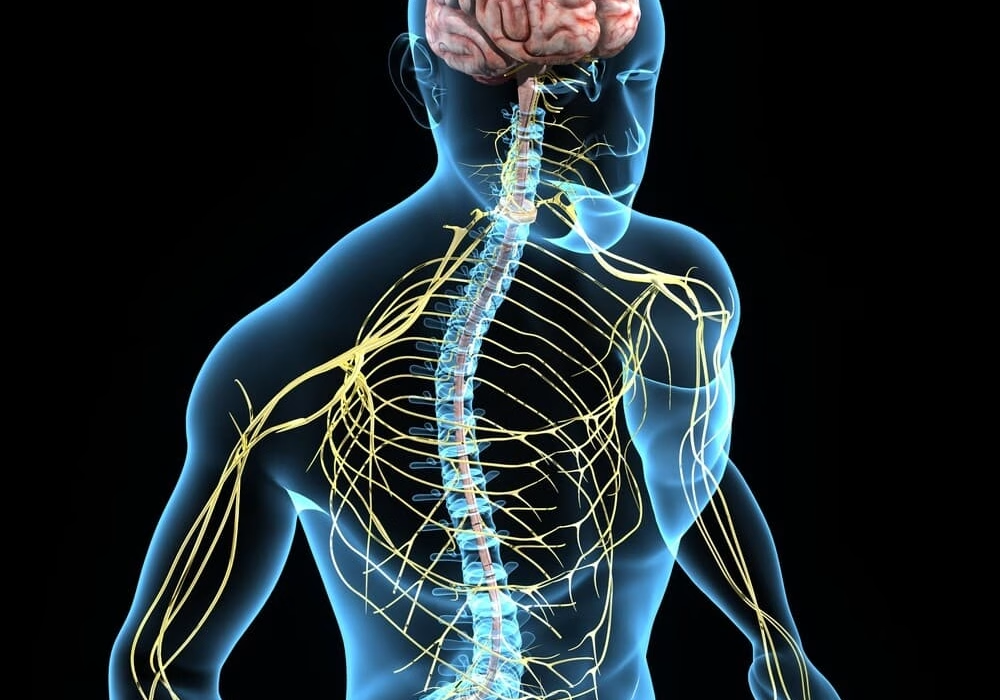
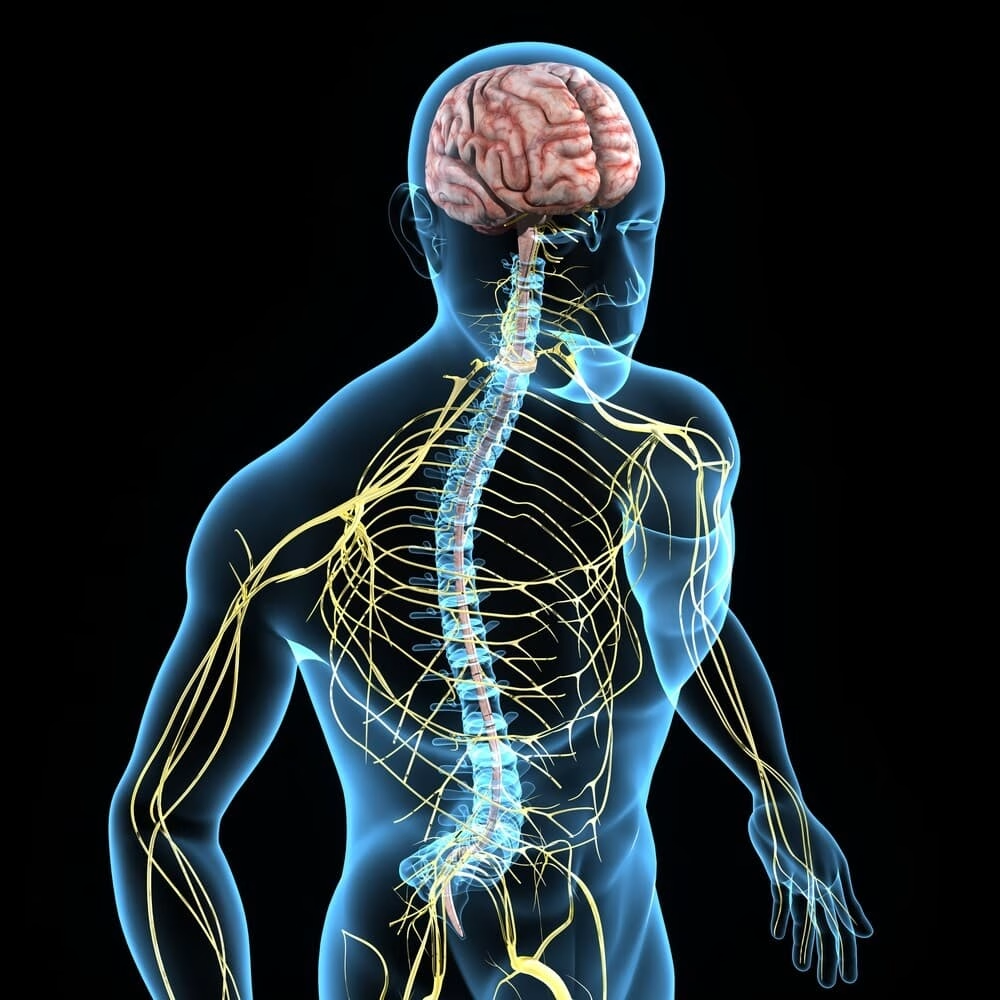
To understand why hypnotherapy is effective for a physical condition like IBD, we must look at the Brain-Gut Axis. Your gut contains the “enteric nervous system,” often called your “second brain.” This system is connected to your head via the vagus nerve, a two-way superhighway for signals.

In IBD, this highway is often congested with “noise.” Stress, even in small amounts, sends signals down the vagus nerve that can increase intestinal permeability (leaky gut) and heighten the sensation of pain.

How Hypnotherapy Rewires the Connection

Gut-directed hypnotherapy doesn’t just “relax” you; it uses specific, targeted suggestions to retrain how your brain interprets signals from your digestive tract.

  1. Lowering the Pain Threshold: By entering a state of focused trance, we can suggest that the brain “filter out” the chronic background noise of intestinal discomfort.
  2. Smoothing Motility: Visualizations are used to regulate the rhythmic contractions of the gut, helping to reduce the “urgency” that many IBD sufferers fear.
  3. Reducing the “Flare Response”: By calming the sympathetic nervous system, we reduce the production of pro-inflammatory cytokines that are often triggered by psychological stress.

What the Research Says

It is important to note that hypnotherapy for IBD is backed by clinical evidence. Studies, including notable research from Gastroenterology journals, have shown that patients who utilize GDH alongside their standard medical care experience:

  • Longer periods of remission between flares.
  • Significant reduction in anxiety and depression related to their condition.
  • Improved sleep quality, which is essential for the body to repair inflamed tissue.

As a specialist in gut-directed hypnotherapy in London, I work as a complement to your gastroenterologist’s care, ensuring a truly multi-disciplinary approach to your health.


What to Expect from a Session at London Hypnotics

If you’ve never experienced clinical hypnotherapy, you might be surprised by how grounded the process is. There are no swinging watches; instead, it is a deeply relaxing, therapeutic experience.

  • Assessment: We discuss your specific triggers, is it a morning commute on the Tube? Or a high-pressure meeting at work?
  • The Induction: I lead you into a state of relaxed focus where your subconscious mind is most receptive.
  • Gut-Specific Imagery: We use metaphors tailored to your symptoms. For some, this is visualizing a cooling, blue mist calming an inflamed colon; for others, it is imagining the digestive system as a smooth-flowing river.
  • Empowerment: I provide you with “self-hypnosis” tools you can use the moment you feel a flare or a wave of anxiety beginning.

Reclaiming Control in London

Living in a fast-paced city like London can be particularly challenging for IBD patients. The stress of travel and the “always-on” culture can exacerbate symptoms. By integrating gut-directed hypnotherapy, you aren’t just treating the symptoms; you are changing your relationship with your body.

You don’t have to be a passenger to your condition. You can take the wheel again.

Frequently Asked Questions About Hypnotherapy for IBD

1. Can hypnotherapy actually cure Crohn’s or Colitis?

While there is currently no known “cure” for IBD, hypnotherapy is a powerful complementary treatment. It focuses on symptom management, reducing the frequency of flares, and improving the psychological impact of the disease. By calming the “brain-gut axis,” many patients find they can achieve longer periods of remission and a higher quality of life.

2. Is gut-directed hypnotherapy the same as “stage hypnosis”?

Not at all. Clinical hypnotherapy is a professional therapeutic process. You remain in complete control at all times; you aren’t “asleep” or under a spell. Instead, you are in a state of focused relaxation, similar to being “lost” in a good book, where your subconscious mind is more open to positive, gut-specific suggestions.

3. How many sessions will I need?

Every individual is different, but for chronic conditions like IBD, most clients see the best results from a protocol of 6 to 12 sessions. This allows us to address the immediate physical symptoms first, followed by the underlying stress triggers that may be contributing to your flares.

4. Does IBD hypnotherapy work if I’m a “skeptic”?

You don’t need to “believe” in hypnosis for it to work. The process relies on the biological connection between your nervous system and your digestive tract. As long as you are willing to participate in the relaxation and visualization exercises, your body can benefit from the shift in your autonomic nervous system.

5. Can I have sessions online or at your London clinic?

Yes, I offer both. Many clients find that having sessions in the comfort of their own home—where they feel closest to their own bathroom facilities, actually helps them relax more deeply. However, for those who prefer an in-person experience, my London-based clinic provides a dedicated, calm space for your recovery.

6. Will this replace my current medication?

No. Gut-directed hypnotherapy should be used as part of a multi-disciplinary approach. You should always follow the advice of your gastroenterologist and continue your prescribed medication. Our goal is to work alongside your medical team to give you the most comprehensive care possible.

About the Author: Antonios Koletsas

Specialist in Gut-Directed Hypnotherapy

Based in the heart of London, I am a clinical hypnotherapist specializing in the powerful intersection of the mind and the digestive system. My practice, London Hypnotics, was founded on the belief that nobody should have to manage the debilitating symptoms of IBD, IBS, or chronic gut distress alone.

With a formal specialization in Gut-Directed Hypnotherapy (GDH), I utilize evidence-based protocols to help clients re-calibrate their brain-gut axis. My approach is compassionate, science-led, and tailored to the unique challenges of living with IBD in a fast-paced urban environment. I work closely with clients to help them move from a state of “flare-up hyper-vigilance” to a state of calm, empowered control.

When I’m not working with clients at my London clinic or via global online sessions, I am dedicated to raising awareness about the efficacy of hypnotherapy in modern gastroenterology.

Clinical References & Further Reading

  • Keefer, L., et al. (2013). Gut-directed hypnotherapy significantly augments clinical remission in quiescent ulcerative colitis. Published in Alimentary Pharmacology & Therapeutics.Key Finding: This study demonstrated that 68% of patients using hypnotherapy maintained clinical remission for a full year, compared to 40% in the control group.
  • Mawdsley, J. E., et al. (2008). The effect of hypnosis on systemic and rectal mucosal measures of inflammation in ulcerative colitis. Published in The American Journal of Gastroenterology.Key Finding: This research showed that a single session of gut-focused hypnosis significantly reduced serum IL-6 (a marker of systemic inflammation) and rectal mucosal inflammatory markers.
  • Szigethy, E. (2015). Hypnotherapy for Inflammatory Bowel Disease Across the Lifespan. Published in the American Journal of Clinical Hypnosis.Key Finding: A comprehensive review showing that hypnotherapy reduces IBD-related inflammation and improves health-related quality of life for both adolescents and adults.
  • British Society of Gastroenterology (2025). BSG Guidelines on the Management of Inflammatory Bowel Disease in Adults. Read the 2025 Guidelines here.Note: These updated UK guidelines highlight the necessity of a multidisciplinary team (MDT), including psychologists and specialists focused on the mind-gut connection.
  • Crohn’s & Colitis Foundation. How Gut-Directed Hypnosis Helps IBS and IBD. Resource Link.
Lifestyle

Beyond Willpower: Why Your 2026 Resolutions Need the Subconscious Mind

Why do 80% of New Year’s resolutions fail by the second week of February?

We all know the pattern. The festive season in London ends, the decorations come down, and we are left with a surge of motivation. We buy the gym membership, we download the meditation app, and we promise ourselves that this year, we will finally get a handle on our stress or diet.

But fast forward to mid-February, and life gets in the way. The grey skies and the busy commute chip away at our energy, and old habits creep back in. We often blame ourselves, thinking we just didn’t have enough discipline.

As a hypnotherapist, I am here to tell you: It is not your fault, and it is not a lack of willpower. It is simply a conflict between your conscious desires and your subconscious programming.

The Iceberg Effect: Understanding Your Mind

To understand why resolutions fail, you have to look at how the mind operates. Think of your mind like an iceberg floating in the ocean.

  • The Tip (10% – The Conscious Mind): This is the part of you reading this blog. It is logical, analytical, and sets goals like “I want to stop snacking on sugar” or “I want to be more confident at work.”
  • The Hidden Mass (90% – The Subconscious Mind): This is where your automatic behaviours, emotional memories, and self-protection mechanisms live. It is the autopilot that drives your life.

When you use willpower, you are using the 10% to fight the 90%. If your subconscious believes that “sugar equals comfort” or “worrying keeps me safe,” it will eventually overpower your conscious logic. This is why “cold turkey” changes rarely last.

How Hypnotherapy Bridges the Gap

Hypnotherapy is the key to accessing that submerged 90%. It allows us to bypass the “Critical Faculty”, the guard at the gate of your mind, and speak directly to the subconscious.

Instead of fighting your instincts, we update them. We use deep relaxation and targeted suggestion to align your deep-seated beliefs with your new goals. When your subconscious wants the same thing as your conscious mind, the struggle disappears. Healthy choices start to feel natural rather than forced.

A Special Note on “Gut Feelings” and Health Goals

One of the most common resolutions I see is the desire to “get healthy” or “fix my digestion” after the indulgences of December. This is close to my heart, as I specialize in gut-directed hypnotherapy.

If you suffer from IBS or digestive issues, you likely know that stress is a major trigger. No amount of strict dieting will fix a sensitive gut if your nervous system is constantly in “fight or flight” mode.

  • The Resolution: “I will go on a strict diet.”
  • The Reality: The stress of the strict diet triggers the gut, causing more bloating and discomfort.
  • The Hypnotherapy Approach: We teach the gut-brain axis to relax. We visualize the digestive system functioning smoothly. By lowering the internal stress response, we often see a significant reduction in physical symptoms, allowing you to enjoy food without fear in 2026.

3 Ways to Prime Your Mind for Success

You don’t have to wait for your first session to start shifting your mindset. Here are three techniques to help your resolutions stick:

  1. Focus on the “Why,” Not the “What”: Don’t just write down “Lose weight.” Close your eyes and visualize how you will feel when you achieve it. Imagine the energy you’ll have walking through the park, or how your clothes will fit. The subconscious speaks the language of images and feelings, not words.
  2. Phrase Goals in the Present Tense: Avoid saying “I will be calm.” This puts the goal in the future, just out of reach. Instead, tell yourself, “I am becoming calmer every day.” This trains the brain to accept this as your current reality.
  3. Start Before January 1st: There is no magic in the date. By starting to visualize your success now, you remove the pressure of the “big day” and start the year with momentum.

Make 2026 Your Year of Lasting Change

If you are based in London and are tired of the annual cycle of setting goals and abandoning them, let’s try a different approach.

At London Hypnotics, I help clients rewire the habits that hold them back, whether that’s soothing a troubled gut, managing anxiety, or building confidence. Let’s work together to make your 2026 resolutions the ones that finally stick.

Online hypnotherapy photo
Health

Online Hypnotherapy: Top 10 tips for a successful trance experience.

After pandemic the world has changed dramatically when it comes to work, how we work and the type of work we provide. My job was one of those that had dramatic change, but luckily for the better. During pandemic mental health crisis was at a skyrocket high and most people who had their lives changed overnight found it difficult to come. This is when most of my clients begun to seek for treatments for anxiety and panic attacks. Online Hypnotherapy was not something new until then, however little that I know, my whole job would emerge fully to an online platform.

At first I decided to test it with some of my friends because I didn’t know if this was effective treatment as it is in person, to my surprise, all of the subjects who decided to take part on my experiment reported significant results on their anxiety levels being stabilized and reduced following treatment from online Hypnotherapy. That gave me the confidence to continue and advertise my services being fully online. Following months of trials with various difference clients I found the perfect way to make someones experience as effective as it could be.

So here I have gathered my top 10 tips of how to make Online Hypnotherapy as effective as you can to gain the most of this amazing treatment.

1. Prepare a Quiet, Private Space

Choose a room where you will not be disturbed during your session, and inform others in your household to respect your privacy.

2. Test Your Technology Early

Check your internet connection, camera, and microphone before the session, and keep your device charged or plugged in.

3. Eliminate Distractions

Silence your phone and notifications, close unnecessary tabs or apps, and set pets or other potential distractions outside your session area.

4. Use Comfortable Seating

Sit in a comfortable chair or lie down on a couch or recliner where you can completely relax your body.

5. Dress Comfortably

Wear clothing that helps you feel relaxed and at ease for the duration of the session.

6. Be Punctual

Log on a few minutes early to settle in, relax, and avoid feeling rushed at the start of your session.

7. Have Water Nearby

Keep a glass of water within reach, and use the restroom before your session starts.

8. Be Honest and Open with Your Therapist

Share relevant information, emotions, or concerns so your therapist can tailor the session to your needs.

9. Commit to the Process

Approach your session with an open mind and willingness to participate fully, even if hypnosis is new to you.

10. Set an Intention

Clarify your main goal for each session with your therapist so your focus and motivation remain clear throughout.

Public Speaking Hypnotherapy
Lifestyle

Hypnotherapy for Public Speaking Fear: The Art of Becoming Comfortable with the Uncomfortable

The Whisper of Fear: Why Trying to Be Confident Fails

If the thought of standing up to speak sends a jolt of ice water through your stomach, you are not alone. That familiar racing heart, the dry mouth, the sudden, overwhelming urge to retreat, it’s a powerful, primal fear.

Many people try to conquer this anxiety by sheer willpower. They tell themselves, “I must be confident! Stop shaking!” But the conscious command often meets resistance, and the inner critic only shouts louder. The direct command, “Don’t panic!” paradoxically makes the body focus entirely on the panic it’s supposed to avoid.

Public Speaking Hypnotherapy
Image by Freepik

The Ericksonian Difference: We Don’t Fight the Fear, We Listen to It

As a specialist in Ericksonian hypnotherapy here in London, I know that true, lasting confidence isn’t forced; it’s discovered. Dr. Milton Erickson understood that the unconscious mind is inherently resourceful. When we try to command ourselves, we engage the critical, conscious mind. But when we offer a gentle, indirect suggestion, a story, a metaphor, a permission to be imperfect—we bypass the internal censor and allow the unconscious to reveal the solution it already holds.

You don’t have to defeat the fear; you simply need to realize you have the resources to be comfortable, even when feeling a bit of that familiar energy.

The Trap of Direct Suggestion

Imagine trying to steer a ship by yelling instructions at the sails. They might flap, but the rudder, the true source of direction remains untouched. Direct suggestions like, “You are calm now,” often feel inauthentic to the part of you that is genuinely scared. This leads to a disconnect, where the mind rejects the suggestion because it feels like a lie.

This is why, in effective hypnotherapy for public speaking anxiety, we use the elegant power of indirect suggestions. We don’t push a locked door; we open a nearby window instead.

The Gentle Invitation to Change

Indirect suggestions use permissive language and embedded commands that allow your mind to accept the change on its own terms. Instead of demanding calm, we might suggest:

“…and as you listen, you might begin to notice a deep, comfortable feeling of knowing exactly where you are and where you are going, just like the feeling you have when you are completely absorbed in something you love…”

This language gently invites the unconscious to link the feeling of focus and comfort (a known resource) to the act of speaking.

The Art of Becoming Comfortable with the Uncomfortable

The most successful speakers rarely feel zero nerves. Instead, they’ve simply reframed that nervous energy. That rapid heartbeat isn’t a sign of danger; it’s energy being pumped, readying you for peak performance.

Hypnotherapy for confident speaking helps you reclaim that energy. Through subtle reframing, we shift the meaning of the physical symptoms. A quickened breath isn’t panic; it’s anticipation. Sweaty palms aren’t a sign of failure; they’re a sign your body is focused and engaged.

The Climber’s Story: Finding Your Center on Unstable Ground

The therapeutic power of storytelling allows your mind to practice a new perspective in a safe, metaphorical space.

I remember reading about a seasoned mountain climber who was asked what the most important skill was on a sheer rock face. They didn’t say strength or gear; they said it was knowing how to shift their weight when the path felt unstable.

They explained that the instability wasn’t a warning sign to stop, but a prompt to find a deeper, more centered way forward. The moment they accepted the feeling of instability as information—a nudge to adjust—they became incredibly effective. And that ability to find a deeper center, to adjust with flexibility when things feel unsteady, well, that’s what truly got them to the top.

Your unconscious mind effortlessly absorbs this story, recognizing the metaphor: the ‘unstable path’ is the nervous energy before a talk. The indirect suggestion is that you already have the ability to find your deep, inner center and adjust, continuing forward successfully.

Take the Next Step to Unconscious Confidence in London

As a hypnotherapist specializing in this gentle, narrative-driven approach, I help busy London professionals, just like you, unlock their inherent resources. We won’t try to force your nerves away; we will simply allow your unconscious mind to craft a better, more resourceful response.

If you are ready to stop fighting your nerves and start speaking with the authentic, grounded confidence that is already waiting for you, I invite you to explore this truly transformative path.

Ready to let your unconscious mind lead you toward comfortable, confident public speaking? Book a discovery call with me today.

Online hypnotherapy photo
Lifestyle

Online Hypnotherapy Sessions: What to Expect and How to Prepare

Are you considering online hypnotherapy to create positive change while enjoying the comfort of your own home? Virtual sessions are convenient, effective, and more accessible than ever. Here’s exactly what you can expect from booking an online hypnotherapy session—and how to prepare for the best results.

What to Expect from Your Online Hypnotherapy Session

Online hypnotherapy is very similar to in-person sessions, but takes place through secure video calls. Your first session usually begins with a conversation about your goals, followed by a guided relaxation and tailored hypnosis techniques. The hypnotherapist will help you reach a focused, receptive state to address habits, fears, or stress.

Sessions are private, confidential, and designed to help you feel comfortable, safe, and supported throughout the process. Your therapist will check in with you before and after each session to ensure you feel heard and empowered.

How to Prepare for Success

Proper preparation can make your session more immersive and transformative. Here are easy steps to help you get ready:

  • Find a Quiet, Comfortable Space
    Choose a spot at home where you won’t be interrupted. This could be a bedroom, home office, or living room—anywhere that’s free from distractions, pets, or sudden noises. Let anyone you live with know you’ll be unavailable during your session.

Get Comfortable
Wear loose, breathable clothing, have a supportive chair or plenty of cushions, and keep a light blanket nearby. Make sure you can relax without feeling cold or restless.

Prepare Your Tech
Check your internet connection in advance. Use a laptop or tablet plugged into a power source, and test your webcam and microphone for clear communication. Headphones offer a more immersive sound experience but aren’t required.

Adjust Lighting and Environment
Set up in a well-lit room so your therapist can see you easily, but feel free to use dim lights if they help you relax. Have tissues handy for emotional moments and keep water or tea nearby for comfort.

Remove Distractions
Silence your phone, close unnecessary apps, and give yourself five minutes of quiet before the session to settle your mind.

Clarify Your Goals
Take a moment to reflect on and write down what you want to achieve—whether it’s stress relief, breaking a habit, or finding more confidence. If you’re unsure, your hypnotherapist will help you refine your goals during the session.

Backup Plan
In case the connection drops, simply relax and let yourself return from hypnosis naturally; reconnect with your therapist when possible.

Online hypnotherapy is a powerful way to work on personal transformation no matter where you are. With thoughtful preparation, you ensure each session is as focused and effective as possible.

Ready to experience positive change? Book a free consultation and discover how hypnotherapy can help you today.

gut-directed hypnotherapy
Health

How Hypnotherapy Helps IBS and Gut-Related Disorders

How Hypnotherapy Helps IBS and Gut-Related Disorders

Understanding the gut-brain connection and how hypnosis can restore digestive balance

Irritable Bowel Syndrome (IBS) and other functional gut disorders affect millions of people across the UK, often causing chronic discomfort, unpredictable symptoms, and emotional distress. While medication and dietary changes can help, many patients continue to struggle — especially when stress and anxiety play a role. That’s where gut-directed hypnotherapy offers a clinically proven solution.

gut-brain-ais

What Is Gut-Directed Hypnotherapy?

Gut-directed hypnotherapy is a specialised form of hypnosis that targets the gut-brain axis — the communication pathway between your digestive system and your mind. Developed by Professor Peter Whorwell and now NICE-approved, this approach is recommended by the NHS for treating IBS when conventional treatments fall short.

Unlike general relaxation techniques, gut-directed hypnotherapy uses structured protocols to influence subconscious responses to gut sensations, reduce visceral hypersensitivity, and improve emotional regulation.

How Hypnotherapy Supports Digestive Health

Hypnotherapy helps IBS and other gut-related disorders by:

  • Calming the gut-brain axis: Reduces overstimulation of the nervous system that contributes to pain, bloating, and urgency.
  • Reducing visceral hypersensitivity: Helps the brain interpret gut signals more accurately, lowering discomfort.
  • Improving emotional resilience: Addresses anxiety, stress, and trauma that often exacerbate digestive symptoms.
  • Restoring autonomic balance: Promotes parasympathetic activation, which supports digestion and relaxation.

Sessions typically include guided imagery, breathwork, positive suggestion therapy, and emotional processing — all tailored to the client’s unique symptoms and triggers.

Conditions That Benefit from Hypnotherapy

Gut-directed hypnotherapy is suitable for:

  • IBS (constipation, diarrhoea, mixed type)
  • Functional gastrointestinal disorders
  • SIBO and SIFO (Small Intestinal Bacterial/Fungal Overgrowth)
  • Stress-related digestive issues
  • Gut-focused anxiety and panic attacks
  • Functional dyspepsia and non-cardiac chest pain

It’s especially effective for patients who have not responded to medication or dietary changes alone.

Clinical Evidence and Long-Term Results

Research shows that 70–80% of IBS patients experience long-term symptom relief with gut-directed hypnotherapy. Studies published in the International Journal of Clinical and Experimental Hypnosis and American Journal of Gastroenterology confirm its effectiveness in reducing pain, bloating, and bowel irregularity.

Hypnotherapy also improves quality of life, emotional well-being, and confidence in managing flare-ups — without side effects.

Why Choose London Hypnotics?

At London Hypnotics, we specialise in gut-directed hypnotherapy and are trusted by GI consultants at OneWelbeck and The London Clinic for clinical referrals. Founder Antonios Koletsas holds the IBS Hypno Diploma and offers structured, evidence-based hypnosis for digestive health.

Sessions are available in person in Central London or online via Zoom, making expert care accessible across the UK and internationally.

Ready to Take the First Step?

If you’re struggling with IBS or gut-related symptoms, hypnotherapy may offer the relief you’ve been searching for. Book a free consultation today and discover how gut-directed hypnosis can help you feel better — physically and emotionally.

Book Now | Serving Central London & Online Clients

Frequently Asked Questions

Q: What is gut-directed hypnotherapy? A: Gut-directed hypnotherapy is a specialised form of hypnosis that targets the gut-brain axis to reduce IBS symptoms and improve digestive function. It’s clinically validated and recommended by the NHS when other treatments have failed.

Q: Is hypnotherapy effective for IBS? A: Yes. Studies show that 70–80% of IBS patients experience long-term symptom relief with gut-directed hypnotherapy. It helps reduce visceral hypersensitivity and calms the nervous system.

Q: How many sessions are needed for gut-directed hypnotherapy? A: Most clients benefit from 6–8 sessions, though this may vary depending on symptom severity and personal goals.

Q: Can I do gut-directed hypnotherapy online? A: Absolutely. At London Hypnotics, we offer online gut-directed hypnotherapy sessions via Zoom, making expert care accessible across the UK and internationally.

Q: Is gut-directed hypnotherapy safe? A: Yes. It’s a non-invasive, evidence-based approach with no side effects. It’s suitable for adults and often recommended by GI consultants.

References

Peters SL, Muir JG, Gibson PR. Gut-directed hypnotherapy in the management of irritable bowel syndrome. Aliment Pharmacol Ther. 2015;41(12):1234-1246. https://doi.org/10.1111/apt.13202

Peters SL, Yao CK, Philpott H, Yelland GW, Muir JG, Gibson PR. Randomised clinical trial: the efficacy of gut-directed hypnotherapy is similar to that of the low FODMAP diet for the treatment of irritable bowel syndrome. Aliment Pharmacol Ther. 2016;44(5):447-459. https://doi.org/10.1111/apt.13706

Devenney J, Hasan SS, Morris J, Whorwell PJ, Vasant DH. Clinical trial: predictive factors for response to gut-directed hypnotherapy for refractory irritable bowel syndrome, a post hoc analysis. Aliment Pharmacol Ther. 2024;59(3):269-277. https://doi.org/10.1111/apt.17790

Vasant DH, Whorwell PJ. Gut-directed hypnosis and hypnotherapy for irritable bowel syndrome – mechanisms of action, efficacy, and effectiveness. Front Psychol. 2024;15:1389911. https://doi.org/10.3389/fpsyg.2024.1389911

Roberts L, Wilson S, Singh S, Roalfe A, Greenfield S. Gut-directed hypnotherapy for irritable bowel syndrome: piloting a primary care-based randomised controlled trial. Gut. 1998;43(6):770-774. https://doi.org/10.1136/gut.43.6.770

gut-brain-ais
Health

Gut-Directed Hypnotherapy in London: A Natural Approach to Digestive Health

Gut-Directed Hypnotherapy in London: A Holistic Approach to Digestive Health

In a city as dynamic and fast-paced as London, stress and lifestyle factors often contribute to digestive discomfort. For individuals experiencing Irritable Bowel Syndrome (IBS), bloating, or other functional gastrointestinal issues, gut-directed hypnotherapy offers a clinically proven, non-invasive solution.

This blog explores the science behind gut-directed hypnotherapy, its benefits, and how it can support both clients and hypnotherapists in London.


What Is Gut-Directed Hypnotherapy?

Gut-directed hypnotherapy is a specialised form of clinical hypnosis that targets the gut-brain axis—the intricate communication system between the digestive tract and the central nervous system.

Originally developed by Professor Peter Whorwell, this therapeutic approach uses guided relaxation, imagery, and suggestion to help the brain regulate how it perceives and responds to gut sensations.

Unlike conventional treatments that only focus on physical symptoms, gut-directed hypnotherapy addresses the psychological, neurological, and emotional factors that influence digestion. It is a holistic, drug-free method that empowers individuals to reduce symptoms and improve quality of life.


Who Can Benefit from Gut-Directed Hypnotherapy?

This approach is particularly effective for individuals experiencing:

  • Irritable Bowel Syndrome (IBS): abdominal pain, bloating, constipation, and diarrhoea
  • Functional gastrointestinal disorders, such as functional dyspepsia
  • Stress-related digestive issues
  • Chronic bloating or indigestion without identifiable medical causes

If you are searching for IBS hypnotherapy in London or exploring natural ways to support your gut health, this therapy may offer meaningful relief.


The Gut-Brain Connection: Scientific Foundations

The gut is often referred to as the body’s “second brain” due to its vast network of neurons and its role in producing neurotransmitters like serotonin.

When stress or anxiety disrupts communication along the gut-brain axis, it can trigger heightened gut sensitivity and irregular bowel patterns. Gut-directed hypnotherapy works by calming the nervous system, reducing gut sensitivity, and restoring balance to digestive processes.


Why London Is Embracing Gut Hypnotherapy

London’s focus on mental wellness and holistic health has created an environment where alternative therapies thrive. With rising awareness of the connection between stress, lifestyle, and digestive health, more Londoners are seeking gut-focused hypnosis as a safe and effective way to manage chronic conditions.


What to Expect During a Gut Hypnotherapy Session

A session with a gut-directed hypnotherapist in London typically includes:

  1. Initial consultation – review of symptoms, medical history, and goals
  2. Guided hypnosis – entering a deeply relaxed state to receive tailored therapeutic suggestions
  3. Personalised scripts and visualisation – designed to calm and regulate the digestive system
  4. Ongoing support – usually 6–12 sessions, often with audio recordings for home practice

Clinical Evidence and Outcomes

Clinical research shows that gut-directed hypnotherapy reduces IBS symptoms in up to 70–80% of patients. It is recognised by the National Institute for Health and Care Excellence (NICE) as a valid treatment option when conventional methods prove insufficient.

Reported benefits include:

  • Relief from abdominal pain and bloating
  • Improved bowel regularity
  • Reduced anxiety and stress
  • Enhanced sleep and overall wellbeing

Choosing a Gut Hypnotherapist in London

Selecting a qualified hypnotherapist in London offers distinct advantages:

  • Access to certified professionals experienced in IBS and gut health hypnosis
  • Options for in-person or online sessions
  • A culturally diverse, supportive wellness community
  • Proximity to complementary health services

If you’re looking for a hypnotherapist near you who understands the pressures of urban living, London provides an excellent choice of practitioners.

Why Choose London Hypnotics?

As a specialist provider of gut-directed hypnotherapy in London, London Hypnotics offers:

  • Expert care from Antonios, a certified hypnotherapist with advanced training in GDH
  • A calm, confidential environment designed to support healing and relaxation
  • Flexible scheduling, including evening and online appointments
  • A client-centred approach that integrates mind-body techniques for lasting results

Whether you’re based in Camden, Clapham, Shoreditch, or Kensington, our central location and remote options make it easy to access professional support.

Take the First Step Toward Digestive Relief

If you’re living with IBS or other gut-related challenges, gut-directed hypnotherapy at London Hypnotics offers a safe, effective, and empowering path to better health. With expert guidance from Antonios, you’ll gain the tools to manage your symptoms, reduce stress, and restore balance to your digestive system.

To learn more or book a consultation, visit London Hypnotics or search IBS hypnotherapy London to find us online.


Health

Can Hypnotherapy Help with Anxiety or Panic Attacks?

Can Hypnotherapy Help with Anxiety or Panic Attacks?

Anxiety and panic attacks affect millions of people across the UK, often disrupting daily life, relationships, and overall well-being. If you’re exploring natural, therapeutic options to regain control, you may be wondering: Can hypnotherapy help with anxiety or panic attacks? The short answer is yes — and the long answer is deeply encouraging.

What Is Hypnotherapy?

Hypnotherapy is a form of guided therapy that uses focused attention, relaxation, and suggestion to access the subconscious mind. Unlike stage hypnosis, clinical hypnotherapy is a safe, evidence-based practice used by trained professionals to help clients overcome emotional, behavioural, and psychological challenges.

At London Hypnotics, we use hypnotherapy to help clients reframe limiting beliefs, reduce physical symptoms of anxiety, and build long-term resilience.

Understanding Anxiety and Panic Attacks

Anxiety is a natural stress response, but when it becomes chronic or leads to panic attacks, it can feel debilitating. Common symptoms include:

  • Persistent worry or racing thoughts
  • Muscle tension and restlessness
  • Difficulty sleeping or concentrating
  • Rapid heartbeat, chest tightness, or breathlessness
  • Feeling detached, dizzy, or overwhelmed

Panic attacks are sudden surges of intense fear or discomfort, often accompanied by physical symptoms that mimic serious medical conditions. They can feel terrifying — but they are treatable.

How Hypnotherapy Helps

Hypnotherapy works by calming the nervous system and addressing the subconscious patterns that fuel anxiety. Here’s how it can support your healing:

1. Rewiring Negative Thought Patterns

Hypnosis helps uncover and reframe deep-rooted beliefs that contribute to anxiety — such as “I’m not safe,” “I can’t cope,” or “I’m not good enough.”

2. Reducing Physical Symptoms

Through deep relaxation and breathwork, hypnotherapy lowers cortisol levels, slows the heart rate, and eases muscle tension — helping you feel physically calmer.

3. Building Coping Strategies

You’ll learn tools to manage triggers, reduce avoidance behaviours, and regain control during anxious moments.

4. Resolving Root Causes

Hypnotherapy can gently explore past experiences, traumas, or emotional blocks that may be contributing to your current anxiety or panic responses.

What the Research Says

Scientific studies support the effectiveness of hypnotherapy for anxiety. A 2016 meta-analysis published in the Journal of Affective Disorders found that hypnosis was significantly more effective than many other psychological interventions in reducing anxiety symptoms.

Another study in Contemporary Hypnosis & Integrative Therapy showed that hypnotherapy reduced panic attack frequency and intensity in patients with panic disorder.

What to Expect in a Session

At London Hypnotics, your first session begins with a detailed consultation to understand your symptoms, triggers, and goals. You’ll then be guided into a relaxed, focused state where we work together to reprogram anxious responses and build emotional resilience.

Sessions are tailored to your unique needs and may include:

  • Relaxation and breathing techniques
  • Positive suggestion therapy
  • Regression therapy (if appropriate)
  • Future pacing and visualisation

All sessions are confidential, compassionate, and designed to empower you.

Is Hypnotherapy Right for You?

Hypnotherapy is suitable for many forms of anxiety, including:

  • Generalised Anxiety Disorder (GAD)
  • Panic Disorder
  • Social Anxiety
  • Health Anxiety
  • Performance Anxiety
  • Phobias and fears

It can also complement other treatments such as Cognitive Behavioural Therapy (CBT), counselling, or medication.

Hypnotherapy in London: Your Path to Calm

If you’re based in London and seeking a holistic, client-centred approach to anxiety or panic attacks, London Hypnotics offers a safe and supportive space to begin your journey. Whether you’re dealing with daily stress or sudden panic episodes, hypnotherapy could be the turning point you’ve been searching for.

Ready to Take the First Step?

Book a free consultation today and discover how hypnotherapy can help you feel calmer, more confident, and in control.

Book Now | Serving Central and Greater London | Online sessions available worldwide.

References


Hammond, D. C. (2010). Hypnosis in the treatment of anxiety- and stress-related disorders. American Journal of Clinical Hypnosis, 53(4), 259–273. https://www.tandfonline.com/doi/abs/10.1080/00029157.2010.10401721

Valentine, K. E., Milling, L. S., Clark, L. J., & Moriarty, C. L. (2019). The efficacy of hypnosis as a treatment for anxiety: A meta-analysis. International Journal of Clinical and Experimental Hypnosis, 67(3), 336–363. https://pubmed.ncbi.nlm.nih.gov/31125299/

Hypnotherapy Directory. (n.d.). How hypnotherapy can help with anxiety: A natural approach. https://www.hypnotherapy-directory.org.uk/articles/how-hypnotherapy-can-help-with-anxiety-a-natural-approach

Beechwood Therapy. (2023). Can hypnotherapy help with panic attacks? https://www.beechwoodtherapy.co.uk/post/can-hypnotherapy-help-with-panic-attacks

Reveri. (2024). Hypnosis for panic attacks: Calm your mind naturally. https://www.reveri.com/knowledge/hypnosis-for-panic-attacks

Health

Is Hypnotherapy Safe?

Is Hypnotherapy Safe? What Science and Experience Say

At London Hypnotics, we understand that safety is a top concern when exploring new therapies. Hypnotherapy often sparks curiosity—and sometimes skepticism. So let’s clear up the facts.

What Is Hypnotherapy?

Hypnotherapy is a therapeutic technique that uses guided relaxation and focused attention to help clients access their subconscious mind. It’s used to address anxiety, habits, stress, and more—always with the client in control.

Is Hypnotherapy Safe?

Yes—when practiced by a qualified professional, hypnotherapy is considered safe and non-invasive. Clients remain aware, responsive, and in control throughout the session. There is no “mind control” or forced behavior.

Key Safety Facts:

  • No loss of consciousness: You remain alert and aware.
  • No manipulation: Hypnotherapy is collaborative, not coercive.
  • Backed by research: Studies show hypnotherapy is safe and effective for anxiety, pain, and habits.

Common Misconceptions

Let’s debunk a few myths:

  • “I’ll be asleep.” — You’re in a relaxed but alert state.
  • “I’ll reveal secrets.” — You control what you say and do.
  • “It’s dangerous.” — There’s no evidence of harm when practiced ethically.

Hypnotherapy in London: Safe, Ethical, Professional

At London Hypnotics, we follow strict ethical guidelines and tailor each session to your needs. Whether you’re seeking help with anxiety, smoking cessation, or confidence building, your safety and comfort are our top priorities.

1 2 3 9 10
Privacy Settings
We use cookies to enhance your experience while using our website. If you are using our Services via a browser you can restrict, block or remove cookies through your web browser settings. We also use content and scripts from third parties that may use tracking technologies. You can selectively provide your consent below to allow such third party embeds. For complete information about the cookies we use, data we collect and how we process them, please check our Privacy Policy
Youtube
Consent to display content from - Youtube
Vimeo
Consent to display content from - Vimeo
Google Maps
Consent to display content from - Google
Spotify
Consent to display content from - Spotify
Sound Cloud
Consent to display content from - Sound