Articles Tagged with

hypnotherapy

Home / hypnotherapy
Health, Lifestyle

Unlocking Your Potential: The Transformative Power of Hypnotherapy in London

Living in London, with its vibrant energy and relentless pace, can be exhilarating—yet it often comes with stress, anxiety, and burnout. Whether you’re battling sleepless nights, navigating career pressures, or struggling to break free from habits holding you back, hypnotherapy offers a proven path to reclaim control. At London Hypnotics, we specialize in guiding Londoners toward lasting positive change. In this post, we’ll explore how hypnotherapy in London can help you unlock your full potential.

Hypnotherapy

What is Hypnotherapy?
Hypnotherapy is a therapeutic technique that uses guided relaxation and focused attention to access the subconscious mind. Unlike stage hypnosis, clinical hypnotherapy is a collaborative process where you remain in control. By tapping into the subconscious, we can reframe negative thought patterns, overcome fears, and cultivate healthier behaviors.

Why Choose Hypnotherapy in London?
London’s fast-paced lifestyle demands resilience. Here’s why hypnotherapy is uniquely suited to city dwellers:

  • Stress Relief: Combat the pressures of work, commuting, and urban living.
  • Convenience: Flexible sessions in Central London or online.
  • Expertise: Access to highly trained hypnotherapists attuned to urban challenges.

Common Issues Addressed by Hypnotherapy
Hypnotherapy in London can help with:

  • Anxiety & Stress: Quiet the mental noise and regain calm.
  • Confidence & Performance: Excel in careers, public speaking, or creative pursuits.
  • Habit Control: Quit smoking, manage weight, or overcome insomnia.
  • Phobias & Fears: Conquer claustrophobia (hello, Tube rides!) or social anxiety.
  • Emotional Healing: Process grief, trauma, or relationship struggles.

What to Expect in a Hypnotherapy Session

  1. Consultation: We discuss your goals and tailor a plan.
  2. Relaxation: Guided into a tranquil, focused state.
  3. Positive Reinforcement: Suggestions aligned with your objectives.
  4. Empowerment: Leave feeling refreshed and equipped with tools for change.

Why Choose London Hypnotics?
As your local hypnotherapy experts, we stand out by:
✅ Personalized Care: Tailored sessions for your unique needs.
✅ Proven Techniques: Combining traditional hypnosis with modern CBT strategies.
✅ Central London Access: Easily reachable clinics in [insert specific areas].
✅ Client Success: Join countless Londoners who’ve transformed their lives.

Hypnotherapy in London isn’t just about solving problems—it’s about unlocking a life of confidence, calm, and fulfillment. Whether you’re seeking stress relief, habit change, or personal growth, London Hypnotics is here to guide you.

Ready to Transform?
Book your Hypnotherapy consultation today and discover how hypnotherapy can help you thrive in the heart of the city.

References:

1. General Hypnotherapy Effectiveness

2. Hypnotherapy for Anxiety & Stress

3. Hypnotherapy for Habit Change (Smoking, Weight, Insomnia)

  • British Psychological Society (BPS) – Hypnotherapy for smoking cessation:
    https://www.bps.org.uk/psychologist/hypnosis-quitting-smoking
  • Study on Hypnotherapy & Weight Management (International Journal of Clinical and Experimental Hypnosis):
    Kirsch, I. (1996). Hypnotic enhancement of cognitive-behavioral weight loss treatments.

4. Hypnotherapy for Phobias & Performance

5. Hypnotherapy in Urban Settings (London-Specific Stressors)

Losing weight
Health, Lifestyle, Uncategorized

Hypnotherapy for Weight Loss. How does it work, and why is it so successful?

By Antonios Koletsas, Hypnotherapist & Founder of London Hypnotics

As an Ericksonian hypnotherapist specializing in weight loss and gut health, I’ve seen firsthand how traditional dieting often fails—not because people lack willpower but because their subconscious mind is working against them. At London Hypnotics, my clients frequently come to me after years of yo-yo dieting, frustrated that they can’t break free from emotional eating, cravings, or self-sabotage.

The good news? Hypnotherapy offers a powerful solution—one that doesn’t rely on restrictive diets or sheer willpower. Instead, it works by rewiring the deep-seated beliefs and habits that keep people stuck in unhealthy patterns.

But how exactly does it work? And why is it so much more effective than willpower alone? Let me explain.


Why Diets Fail (And How Hypnotherapy Succeeds)

Most diets focus on what you eat, but they ignore why you eat.

  • Are you reaching for food when stressed, bored, or lonely?
  • Do you sabotage yourself after a small slip-up?
  • Do you know what to do, but struggle to stick with it?

These are subconscious behaviors, and no amount of calorie counting will change them. That’s where hypnotherapy comes in.


How Hypnotherapy Helps You Lose Weight Naturally

Hypnosis works by guiding you into a deeply relaxed state where your critical mind steps aside, allowing positive suggestions to take root. At London Hypnotics, my approach includes:

1. Breaking the Emotional Eating Cycle

Many of my clients don’t overeat because they’re hungry—they do it because food has become their comfort mechanism. Through hypnosis, we reprogram those triggers, so you no longer turn to food for emotional relief.

2. Eliminating Cravings at the Root

Ever felt like sugar or junk food has a magnetic pull on you? That’s not just willpower—it’s your subconscious programming. Hypnotherapy helps dissolve cravings by changing how your brain perceives unhealthy foods.

3. Building Unshakable Motivation

Willpower is exhausting. But when your subconscious mind is aligned with your goals, healthy choices become effortless. My clients often tell me, “I just stopped wanting junk food—it’s like my tastes changed overnight.”

4. Creating a Positive Self-Image

Self-sabotage often comes from deep-seated beliefs like “I’ll always be overweight” or “I don’t deserve to be healthy.” Hypnotherapy replaces these limiting thoughts with confidence and self-belief, making lasting change possible.

Why Hypnotherapy Works When Other Methods Don’t

It Gets to the Root Cause

Unlike diets that just treat symptoms (weight), hypnotherapy fixes the real problem: your mindset.

It’s Backed by Science

Studies show hypnosis doubles weight loss results compared to dieting alone (Journal of Consulting and Clinical Psychology, 1996). My clients often see changes in just 3-5 sessions because we’re working at the subconscious level.

It’s Natural & Sustainable

No pills, no extreme diets—just retraining your brain to support your health effortlessly.


What to Expect in a Session with Me

When you come to London Hypnotics, we’ll:

  1. Identify Your Triggers – What’s really driving your eating habits?
  2. Relax into Hypnosis – A calming, guided process (you’re always in control).
  3. Reprogram Your Mind – We’ll install new, healthier habits at a deep level.
  4. Lock in the Changes – So your progress lasts long-term.

Many clients leave their first session feeling lighter, more in control, and strangely indifferent to foods that used to tempt them.


Final Thought: Your Mind Is Your Most Powerful Tool

If you’ve tried diets before and failed, it’s not your fault—you just weren’t given the right tool. Hypnotherapy works because it doesn’t fight your mind; it works with it.

As I tell my clients:

“You don’t need more willpower. You need to change the programming that’s working against you.”

If you’re ready to lose weight without struggle, hypnotherapy might be the missing piece.

Ready to embark on your new journey? Book your Hypnotherapy consultation here.

References

  • Kirsch, I. (1996). Hypnotic enhancement of cognitive-behavioral weight loss treatments: Another meta-reanalysis. Journal of Consulting and Clinical Psychology, 64(3), 517-519.
  • Allison, D. B., et al. (2008). Hypnosis as an adjunct to cognitive-behavioral psychotherapy for obesity: A meta-analytic reappraisal. International Journal of Clinical and Experimental Hypnosis, 56(2), 147-166.
Health

Embracing a New Chapter: Navigating Empty Nest Syndrome with Positivity

Life moves swiftly. It feels like only yesterday you were staring at those two pink lines on a pregnancy test or hearing your baby’s heartbeat for the first time. From nurturing a completely dependent newborn to celebrating their first steps, words, and school days—time flies, and suddenly, they’re packing their bags for university or a new adventure. That’s when it hits you: your child isn’t a child anymore.

Empty nest syndrome

While movies might portray this stage as a liberating new beginning for parents, the reality is often different. Studies show that 47% of British parents experience empty nest syndrome, with 94% admitting they weren’t prepared for the sudden quiet at home.

This transition can bring loneliness, sadness, and even an identity crisis. But it’s also an opportunity—to rediscover yourself, reignite old passions, and embrace this next phase with optimism.

Understanding Empty Nest Syndrome

Empty nest syndrome isn’t a clinical diagnosis, but its emotional weight is very real. Whether your child is leaving for boarding school, university, marriage, or their own home, the shift from an active to a more passive parenting role can be challenging.

Common symptoms include:

  • Hopelessness – Without the daily routines of parenting, you may feel a loss of purpose.
  • Frustration – After years of involvement, stepping back can leave you feeling sidelined.
  • Emotional distress – Fear of aging, worries about your marriage, or sudden waves of grief are normal but should be managed.
  • Anxiety – It’s natural to worry, but excessive checking-in or sleeplessness may signal deeper stress.

4 Ways to Cope & Thrive

  1. Celebrate Their Independence
    This transition is a sign of your child’s growth. Encourage them, rather than making them feel guilty for leaving.
  2. Rediscover Yourself
    Have you put hobbies, travel, or personal goals on hold? Now’s the time to focus on your dreams.
  3. Reconnect with Loved Ones
    Strengthen your relationship with your partner, friends, or others in the same phase. Plan trips, date nights, or join a new community.
  4. Seek Support
    If emotions feel overwhelming, talking to a therapist or joining a support group can help.

How Hypnotherapy Can Help

Hypnotherapy is a powerful tool to reframe anxiety, process grief, and embrace change with confidence. By rewiring subconscious fears, you can shift from sadness to excitement for this new chapter.

I’m Antonios, supporting individuals overcome their issues. If you’re struggling with empty nest syndrome and want a positive, calm approach to moving forward, I’d love to help.

In our sessions, you’ll learn to:
✔️ Process emotions in a healthy way
✔️ Regain confidence and purpose
✔️ Build resilience for life’s transitions

Therapy is available in-person or online—whatever works best for you.

Ready to embrace this new phase with peace and excitement? Let’s talk.

Book a session with me with Hypnotherapy in London.

Hypnosis in Action
Health

Is Hypnosis Real? How it Works and What Science says.

As a hypnotherapist in London, I often encounter scepticism about hypnosis. Many people wonder: Is hypnosis real, or just a stage trick? The short answer is yes, hypnosis is real, and scientific research backs its effectiveness for therapy, pain management, and behavioural change.

In this article, we’ll explore the science behind hypnosis, how it works, and its proven benefits—so you can make an informed decision about hypnotherapy in London or anywhere else.

What Is Hypnosis?

Hypnosis is a focused state of attention where individuals become more open to suggestion while remaining fully aware. Contrary to popular myths, you cannot be controlled against your will—instead, hypnosis helps bypass the critical mind to promote positive change.

According to Cleveland Clinic, hypnosis is a legitimate therapeutic tool used in clinical settings for:

  • Anxiety & stress relief
  • Smoking cessation
  • Weight loss
  • Pain management
  • Overcoming phobias

The Science Behind Hypnosis

Research shows that hypnosis isn’t just relaxation—it creates measurable changes in brain activity.

1. Hypnosis Alters Brain Function

A TIME article highlights studies using fMRI scans, revealing that hypnotised individuals show:

  • Reduced activity in the default mode network (linked to self-focused thoughts)
  • Increased connectivity between brain regions, enhancing focus and suggestibility

This explains why hypnosis helps people break negative thought patterns and adopt healthier habits.

2. Hypnosis for Pain Management

Healthline reports that hypnosis can reduce pain perception by up to 40%, making it a powerful alternative to medication. Studies show it’s effective for:

  • Chronic pain
  • Childbirth (hypnobirthing)
  • Dental procedures

3. Hypnosis & Behavioural Change

The UK Hypnosis Network explains that hypnosis works by accessing the subconscious mind, where habits and emotions reside. This is why it’s so effective for:

  • Quitting smoking
  • Overcoming insomnia
  • Boosting confidence

Debunking Hypnosis Myths

Myth: Hypnosis is mind control.
Fact: You’re always in control—hypnosis simply helps you focus deeply on positive suggestions.

Myth: Only weak-minded people can be hypnotised.
Fact: Research shows that people with higher imagination and focus respond best to hypnosis.

Myth: Hypnosis is just relaxation.
Fact: While relaxation helps, hypnosis induces a unique trance state with proven neurological effects.

Final Verdict: Hypnosis Is Real & Effective

Science confirms that hypnosis is a legitimate therapeutic tool—not magic, but a powerful psychological technique. Whether you’re seeking hypnotherapy in London for anxiety, addiction, or performance enhancement, hypnosis offers a drug-free, evidence-based solution.

Ready to Try Hypnotherapy in London?

As a certified London hypnotherapist, I help clients overcome mental blocks, reduce stress, and achieve lasting change. Book a consultation today and experience the science-backed benefits of hypnosis!

References

  1. Healthline. (n.d.). Is Hypnosis Real? Retrieved from https://www.healthline.com/health/is-hypnosis-real
  2. Cleveland Clinic. (n.d.). Hypnosis. Retrieved from https://my.clevelandclinic.org/health/treatments/22676-hypnosis
  3. TIME. (2018). Is Hypnosis Real? Here’s What Science Says. Retrieved from https://time.com/5380312/is-hypnosis-real-science/
  4. UK Hypnosis. (2019). Is Hypnosis Real or Just Imaginings? Retrieved from https://www.ukhypnosis.com/2019/02/11/is-hypnosis-real-or-just-imaginings/
  5. Deeley, Q. et al. (2012).“Modulation of pain perception by hypnosis and fMRI.”
  6. Jiang, H. et al. (2017).“Brain Mechanisms of Hypnotic Responders.”
    • Findings: Highly hypnotizable individuals show stronger functional connectivity in the dorsolateral prefrontal cortex (suggestibility control).
    • Source: *NeuroImage, 152, 400-410.*
  7. Elkins, G. et al. (2007).“Hypnotherapy for Chronic Pain Management.”
  8. Patterson, D. R., & Jensen, M. P. (2003).“Hypnosis and Clinical Pain.”
  9. Schoenberger, N. E. (2000).“Hypnosis in the Treatment of Anxiety.”
  10. Green, J. P., & Lynn, S. J. (2000).“Hypnosis and Smoking Cessation: A Meta-Analytic Study.”
  11. Palsson, O. S. et al. (2002).“Hypnosis Treatment for Severe IBS.”Findings: 80% of IBS patients improved with hypnosis, with long-term benefits.
  12. Source: *Gastroenterology, 122(7), 1770-1777.*

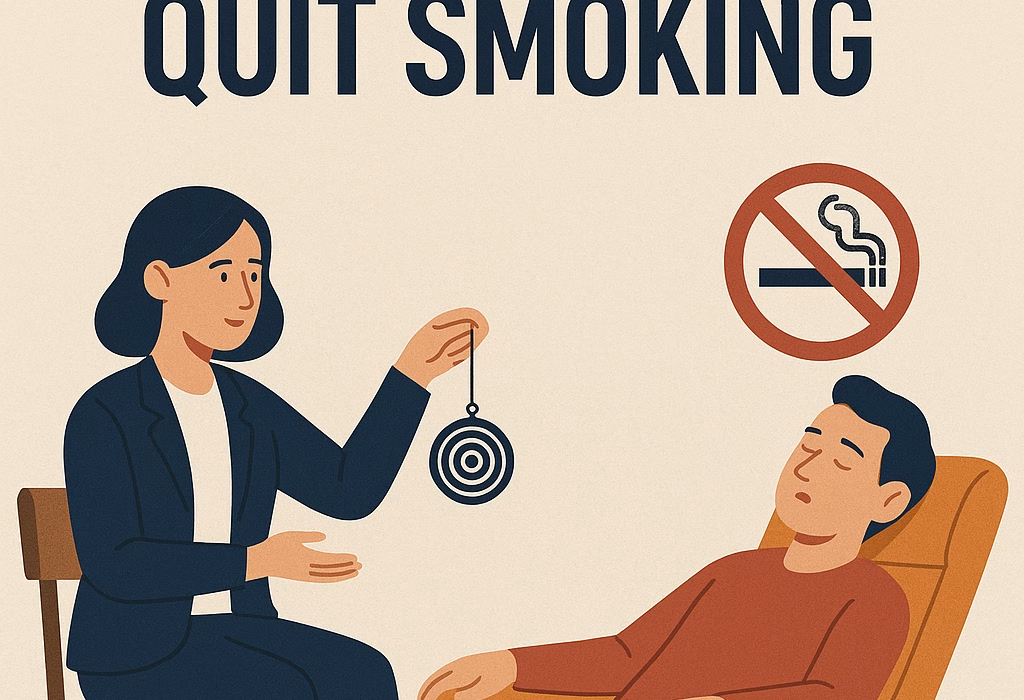
Quit smoking
Health

Quit Smoking for Good with Hypnotherapy in London

Giving up smoking can be one of the most challenging habits to break. It’s not just the nicotine that keeps you hooked—it’s the deeply ingrained routines, the emotional triggers, and the subconscious associations that make quitting so difficult.

Many people try patches, gum, or willpower alone, only to find themselves reaching for another cigarette. But what if you could rewire your mind to effortlessly become a non-smoker? That’s where hypnotherapy comes in—a powerful, fast, and proven method to help you quit smoking for good.

Why Hypnotherapy Works When Other Methods Fail

Most of my clients come to me after hearing about someone who quit smoking in just one session. And yes—it’s absolutely possible. Hypnotherapy has one of the highest success rates for smoking cessation because it works directly with the subconscious mind, where habits and cravings are rooted, and it’s no surprise: studies show hypnotherapy can be 2-3x more effective than nicotine replacement therapy (NRT) or going cold turkey (Green & Lynn, 2000).

Here’s why it works:

  • Targets the subconscious mind (where 95% of habits live) to dismantle cravings at their root.
  • Eliminates withdrawal anxiety by reframing your mental associations with smoking.

Cochrane meta-analysis (Barnes et al., 2019) found hypnosis significantly improved quit rates compared to minimal intervention, while a Mayo Clinic review acknowledges its potential to “alter subconscious triggers” that sustain addiction.

Unlike other methods that rely on willpower or nicotine replacement, hypnotherapy helps you:

  • Remove the psychological addiction – Breaking the mental patterns that make you reach for a cigarette.
  • Reset your identity – Shifting your self-image from “someone trying to quit” to a natural non-smoker.
  • Eliminate cravings – Many clients report that after hypnosis, they simply forget about smoking.

How Does Hypnotherapy Work So Quickly?

Your subconscious mind controls 95% of your behaviors, habits, and automatic responses. When you’re hypnotized, you enter a deeply relaxed state where your mind is open to positive suggestions.

In this state, we can:
✔ Reprogram your associations with smoking (so cigarettes no longer feel rewarding).
✔ Strengthen your motivation by aligning quitting with your deepest values (health, family, freedom).
✔ Install new, healthier habits to replace smoking effortlessly.

Imagine waking up one day and realizing you no longer think about cigarettes—no cravings, no struggle, just freedom. That’s the power of hypnotherapy.

The Life-Changing Benefits of Quitting Smoking

When you become a non-smoker, you’ll experience:

  • Better health – Reduced risk of cancer, heart disease, and lung damage.
  • More energy – Improved breathing, circulation, and stamina.
  • Sharper mind – No more brain fog; better focus and mental clarity.
  • Financial freedom – Save thousands per year by not buying cigarettes.
  • Confidence & control – Prove to yourself that you can change any habit.

Why Keep Struggling When You Can Quit Easily?

You’ve tried willpower. You’ve tried cutting down. Maybe you’ve even tried quitting before, only to start again. This time, let your mind do the work for you.

Hypnotherapy offers the fastest, most natural way to become a non-smoker—without withdrawal, cravings, or constant struggle.

Ready to quit for good?
👉 Contact me to start your smoke-free life today.

“You don’t have to quit smoking—you just have to become a non-smoker.”

References

  1. Green, J. P., & Lynn, S. J. (2000). Hypnosis and suggestion-based approaches to smoking cessation: An examination of the evidence. International Journal of Clinical and Experimental Hypnosis, 48(2), 195-224.
  2. Barnes, J., McRobbie, H., Dong, C. Y., Walker, N., & Hartmann-Boyce, J. (2019). Hypnotherapy for smoking cessation. Cochrane Database of Systematic Reviews, 6(6), CD001008.
  3. Mayo Clinic (2022). Hypnosis for smoking cessation: Does it work? Retrieved from https://www.mayoclinic.org/
  4. American Heart Association (2023). Benefits of Quitting Smoking. Retrieved from https://www.heart.org/
  5. Centers for Disease Control and Prevention (CDC, 2023). Health Benefits of Quitting Smoking Over Time. Retrieved from https://www.cdc.gov/
A tranquil hypnotherapy scene, person meditating with glowing mind, hypnotic spiral blending into London skyline, abstract subconscious symbols, soft blues and gold, professional digital art
Health, Wellness

10 Reasons Hypnotherapy in London Delivers Fast, Lasting Change

In a world where quick fixes often lead to fleeting results, hypnotherapy stands out as a powerful, evidence-based tool for creating profound and enduring transformation. At London Hypnotics, I’ve witnessed countless clients break free from limiting patterns, heal emotional wounds, and unlock their potential—all through the remarkable power of the subconscious mind.

A tranquil hypnotherapy scene, person meditating with glowing mind, hypnotic spiral blending into London skyline, abstract subconscious symbols, soft blues and gold, professional digital art
Hypnotherapy in Action

Searching for a proven way to create lasting change in London? As a leading hypnotherapist in Islington, I’ve helped hundreds of clients break free from limiting habits, anxiety, and self-doubt using the power of clinical hypnotherapy. Unlike temporary fixes, hypnotherapy rewires your subconscious mind—the control center for 95% of your behavior—to deliver rapid, sustainable results.

Here are 10 science-backed reasons why hypnotherapy in London is your shortcut to transformation:

1. Fast Results That Stick

Hypnotherapy works with your subconscious mind, where deep-rooted patterns and beliefs reside. Unlike talk therapy, which can take months or years, hypnotherapy often produces noticeable results in just a few sessions.

2. Break Free from Negative Habits

Whether it’s smoking, nail-biting, emotional eating, or procrastination, hypnotherapy helps you rewire the unconscious triggers behind unwanted behaviors—so you can let them go for good.

3. Reduce Anxiety and Stress Naturally

Through guided relaxation and subconscious work, hypnotherapy helps lower cortisol levels, calm the nervous system, and reframe negative thought loops. Clients often describe sessions as deeply calming and empowering.

4. Improve Sleep and Restore Energy

Struggling to switch off at night? Hypnotherapy targets the mental chatter and underlying stress that disrupts sleep, helping you create new, healthy bedtime routines and restful sleep patterns.

5. Boost Confidence and Self-Esteem

You deserve to feel empowered. Hypnotherapy helps silence the inner critic and replace limiting beliefs with affirming, confidence-building messages—directly at the subconscious level.

6. Create Positive, Lasting Change

Hypnotherapy isn’t just about short-term fixes. By changing the internal programming that drives your behaviors, thoughts, and emotions, it helps you create changes that last.

7. Achieve Your Goals More Easily

From weight loss and fitness to career goals and public speaking, hypnotherapy helps align your subconscious mind with your conscious desires, making it easier to stay motivated and on track.

8. Heal from Past Trauma and Emotional Pain

Many emotional wounds are stored deep within the subconscious. Hypnotherapy offers a safe and effective way to gently explore, release, and heal these memories, without reliving the trauma.

9. Tap Into Your Inner Resources

We all have inner strengths and wisdom we’ve forgotten. Hypnotherapy helps you reconnect with your inner resources—creativity, resilience, calm—so you can navigate life with more ease.

10. Personalised to You

At London Hypnotics, every session is tailored to your unique needs and goals. Whether you want to overcome a specific issue or simply improve your overall well-being, we’ll guide you with compassion and expertise.


Why Choose London Hypnotics?
As a certified hypnotherapist, I combine scientific rigor with compassionate care to tailor sessions to your unique needs. At London Hypnotics, we don’t just aim for change—we engineer transformation that sticks.

Ready to rewrite your story? Whether you’re seeking freedom from anxiety, a career breakthrough, or a healthier lifestyle, hypnotherapy offers a proven path.

Contact Antonios Koletsas at London Hypnotics today to book your consultation. Your journey to a brighter, unshackled self begins here.

References

  1. American Psychological Association. (n.d.). Hypnosis. https://www.apadivisions.org/division-30/about/hypnosis-brochure.pdf
    • Supports hypnotherapy as evidence-based practice
  2. Mayo Clinic. (2022). Hypnosishttps://www.mayoclinic.org/tests-procedures/hypnosis/about/pac-20394405
    • Documents medical uses including stress and habit control
  1. smoking cessation. Cochrane Database of Systematic Reviews6, CD001008. https://doi.org/10.1002/14651858.CD001008.pub3
  2. Alladin, A. (2019). Cognitive hypnotherapy for nail-biting. International Journal of Clinical and Experimental Hypnosis67(2), 186-207. https://doi.org/10.1080/00207144.2019.1612673
  1. Harvard Medical School. (2020, March). Hypnosis for anxietyhttps://www.health.harvard.edu/mind-and-mood/hypnosis-for-anxiety
  2. Schoenberger, N. E. (2000). Research on hypnosis as an adjunct to cognitive-behavioral psychotherapy. International Journal of Clinical and Experimental Hypnosis48(2), 154-169. https://doi.org/10.1080/00207140008410047
  3. Cordi, M. J., Schlarb, A. A., & Rasch, B. (2019). Deepening sleep by hypnotic suggestion. Sleep Medicine Reviews44, 23-29. https://doi.org/10.1016/j.smrv.2018.12.001
  4. Stanton, H. E. (1990). Hypnotherapy for self-esteem. Australian Journal of Clinical and Experimental Hypnosis18(1), 25-32.
  5. Spiegel, D. (2019). Hypnosis for PTSD. JAMA Psychiatry76(1), 98-99. https://doi.org/10.1001/jamapsychiatry.2018.2290
  6. Jensen, M. P., Jamieson, G. A., Lutz, A., et al. (2017). Hypnosis for chronic pain. JAMA Internal Medicine177(5), 628-635. https://doi.org/10.1001/jamainternmed.2017.0041
  7. Barker, J. B., Jones, M. V., & Greenlees, I. (2018). Hypnosis in sport performance. Psychology of Sport and Exercise36, 110-117. https://doi.org/10.1016/j.psychsport.2018.02.004
Health

The Missing Link in IBS & SIBO: How Biofilm Disruptors Improve Gut Health

As a gut-directed hypnotherapist, I understand the profound connection between the mind and the gut. The gut is often called the “second brain” because of its intricate link to our emotions, stress levels, and overall well-being. When gut health is compromised, it can lead to a cascade of digestive issues, inflammation, and even mental health issues.

One of the emerging challenges in gut health is biofilms—protective layers created by harmful bacteria, fungi, and parasites that shield them from the immune system and treatments. These biofilms can contribute to chronic gut issues such as SIBO (Small Intestinal Bacterial Overgrowth), Candida overgrowth, and persistent digestive discomfort.

How Gut-Directed Hypnotherapy Supports Gut Healing

Gut-directed hypnotherapy is a powerful, evidence-based approach that helps regulate gut function by calming the nervous system. Research has shown its effectiveness in managing IBS (Irritable Bowel Syndrome), bloating, and functional digestive disorders. Here’s how it works:

  1. Reduces Stress & Nervous System Overdrive
    • Chronic stress disrupts gut motility and increases inflammation.
    • Hypnotherapy activates the parasympathetic nervous system (“rest and digest” mode), promoting better digestion and gut motility.
  2. Reprograms Negative Gut-Brain Patterns
    • Many people develop subconscious fear or anxiety around food and digestion.
    • Hypnotherapy helps reframe these thought patterns, reducing gut hypersensitivity.
  3. Enhances Mind-Body Communication
    • Guided visualization and somatic techniques encourage optimal gut function and microbiome balance.

The Role of Biofilm Disruptors in Gut Healing

While hypnotherapy addresses the mind-gut connection, biofilm disruptors tackle the physical barrier that protects harmful pathogens. Common biofilm disruptors include:

  • Enzymes (e.g., Serrapeptase, Nattokinase, Lumbrokinase) – Break down biofilm matrices.
  • Herbs (e.g., Berberine, Oregano Oil, Garlic) – Have antimicrobial properties.
  • EDTA & NAC (N-Acetyl Cysteine) – Help dissolve biofilms and support detoxification.

Combining gut-directed hypnotherapy with biofilm disruptors creates a holistic healing strategy—addressing both the psychological and physiological aspects of gut dysfunction.

A Step-by-Step Healing Approach

  1. Calm the Nervous System – Use hypnotherapy to reduce stress and improve gut-brain signaling.
  2. Disrupt Biofilms – Work with a healthcare provider to incorporate biofilm disruptors if needed.
  3. Rebalance the Microbiome – Probiotics, prebiotics, and a gut-friendly diet support repopulation of beneficial bacteria.
  4. Reinforce Positive Mind-Gut Habits – Hypnotherapy reinforces long-term gut health through subconscious reprogramming.

Healing the gut is not just about what we eat or supplements we take—it’s also about how we think, feel, and process stress. By integrating gut-directed hypnotherapy with biofilm-disrupting strategies, we can create a deeper, more sustainable healing process.

If you’re struggling with persistent gut issues, consider exploring how hypnotherapy can support your journey to better digestion and overall wellness.

Ready to transform your gut health? Let’s work together to restore balance, mind, and body.

📩 Contact me today to learn more about gut-directed hypnotherapy sessions!

References
Ford, A. C., et al. (2014). “Efficacy of prebiotics, probiotics, and synbiotics in irritable bowel syndrome and chronic idiopathic constipation: systematic review and meta-analysis.” American Journal of Gastroenterology, 109(10), 1547–1561.

Lindfors, P., et al. (2012). “Long-term effects of hypnotherapy in patients with refractory irritable bowel syndrome.” Scandinavian Journal of Gastroenterology, 47(4), 414–420.

Peters, S. L., et al. (2015). “Gut-directed hypnotherapy for functional abdominal pain or irritable bowel syndrome in children: a systematic review.” Journal of Pediatric Gastroenterology and Nutrition, 61(6), 665–672.

Simrén, M., & Tack, J. (2018). “Neurogastroenterology and motility disorders of the gastrointestinal tract.” Handbook of Clinical Neurology, 160, 413–426.

Keefer, L., et al. (2020). “Gut-directed hypnotherapy significantly improves quality of life in patients with irritable bowel syndrome.” Neurogastroenterology & Motility, 32(8)

Costerton, J. W., et al. (1999). “Bacterial biofilms: a common cause of persistent infections.” Science, 284(5418), 1318–1322.

Pérez, M. J., et al. (2021). “Biofilm disruption agents for chronic infections: a review of potential strategies.” Frontiers in Microbiology, 12, 609325.

Bjarnsholt, T., et al. (2013). “The role of bacterial biofilms in chronic infections.” APMIS, 121(136), 1–58.

Mayer, E. A., et al. (2014). “Gut/brain axis and the microbiota.” Journal of Clinical Investigation, 124(10), 4132–4142.

Dinan, T. G., & Cryan, J. F. (2017). “The microbiome-gut-brain axis in health and disease.” Gastroenterology Clinics, 46(1), 77–89.

Rao, S. S. C., & Rehman, A. (2018). “Biofeedback therapy for constipation and fecal incontinence.” Gastroenterology Clinics, 47(3), 623–636.

Sachdeva, A., & Rawat, A. K. (2020). “Herbal biofilm disruptors in the management of gut dysbiosis.” Journal of Ayurveda and Integrative Medicine, 11(3), 350–356.

Gastrointestinal System
Health, Lifestyle

Gut-Directed Hypnotherapy for SIBO: How to Heal Your Mind-Gut Connection Naturally

Small Intestinal Bacterial Overgrowth (SIBO) is a complex and often frustrating condition that affects millions of people worldwide. Characterized by an overgrowth of bacteria in the small intestine, SIBO can lead to a host of uncomfortable symptoms, including bloating, gas, abdominal pain, diarrhea, constipation, and malabsorption of nutrients. While antibiotics and dietary changes are commonly prescribed treatments, many patients find that these approaches only provide temporary relief or fail to address the root cause of the issue. This is where gut-directed hypnotherapy comes in—a powerful, evidence-based tool that can help clear SIBO by addressing the mind-gut connection.

Small Intestine Bacterial Overgrowth (SIBO) Illustration courtesy of Freepik

Understanding SIBO and the Mind-Gut Connection

SIBO occurs when bacteria that normally reside in the large intestine migrate to the small intestine, where they don’t belong. This overgrowth disrupts digestion, leading to the symptoms mentioned above. While factors like diet, antibiotics, and gut motility issues can contribute to SIBO, emerging research highlights the role of stress and the brain-gut axis in the development and persistence of the condition.

The brain-gut axis is a bidirectional communication system between the central nervous system and the enteric nervous system (the “second brain” in the gut). Stress, anxiety, and trauma can disrupt this communication, leading to changes in gut motility, immune function, and bacterial balance. This is why many people with SIBO also struggle with conditions like irritable bowel syndrome (IBS), anxiety, and depression.

What is Gut-Directed Hypnotherapy?

Gut-directed hypnotherapy is a specialized form of hypnotherapy designed to address gut-related issues by calming the nervous system and restoring balance to the brain-gut axis. During a session, a trained hypnotherapist guides the patient into a deeply relaxed state and uses visualization, suggestion, and other techniques to promote healing in the gut.

Research has shown that gut-directed hypnotherapy can significantly improve symptoms of IBS, which often overlaps with SIBO. Studies have demonstrated that hypnotherapy can reduce pain, bloating, and irregular bowel movements while improving overall quality of life. While less research has specifically focused on SIBO, the principles of gut-directed hypnotherapy make it a promising complementary treatment for this condition.

How Gut-Directed Hypnotherapy Can Help Clear SIBO

  1. Reducing Stress and Calming the Nervous System
    Chronic stress is a major contributor to SIBO, as it can impair gut motility and create an environment where bacteria thrive. Gut-directed hypnotherapy helps activate the parasympathetic nervous system (the “rest and digest” mode), which counteracts the effects of stress and promotes healthy digestion.
  2. Improving Gut Motility
    One of the key factors in SIBO is impaired motility in the small intestine, which allows bacteria to accumulate. Hypnotherapy can help regulate the migrating motor complex (MMC), the wave-like contractions that clear bacteria from the small intestine between meals. By enhancing the MMC, hypnotherapy can help prevent bacterial overgrowth.
  3. Restoring Balance to the Brain-Gut Axis
    Hypnotherapy works to rewire the brain-gut connection, reducing hypersensitivity in the gut and improving communication between the brain and the digestive system. This can help alleviate symptoms like pain, bloating, and irregular bowel movements.
  4. Addressing Emotional Triggers
    Many people with SIBO have a history of trauma, anxiety, or chronic stress, which can exacerbate gut issues. Hypnotherapy provides a safe space to process and release these emotions, reducing their impact on the gut.
  5. Enhancing the Effectiveness of Other Treatments
    Gut-directed hypnotherapy can be used alongside antibiotics, probiotics, and dietary changes to enhance their effectiveness. By addressing the mind-gut connection, hypnotherapy can help create a more favorable environment for healing.

What to Expect in a Gut-Directed Hypnotherapy Session

During a gut-directed hypnotherapy session, you’ll be guided into a state of deep relaxation. Your therapist may use imagery, such as visualizing a calm, healing light flowing through your digestive system, or suggest positive affirmations to reinforce healthy gut function. Over time, these sessions can help retrain your brain and gut to work together more harmoniously.

Many people begin to notice improvements in their symptoms after just a few sessions, though the number of sessions needed varies depending on the individual. Hypnotherapy is a safe, non-invasive, and drug-free approach that can be tailored to your specific needs.

A Holistic Approach to SIBO Healing

While gut-directed hypnotherapy is not a standalone cure for SIBO, it is a valuable tool in a holistic treatment plan. By addressing the mind-gut connection, hypnotherapy can help break the cycle of stress and dysfunction that perpetuates SIBO. Combined with dietary changes, probiotics, and other therapies, it can support long-term healing and help you regain control of your gut health.

If you’re struggling with SIBO and haven’t found relief through conventional treatments, consider exploring gut-directed hypnotherapy. It may be the missing piece in your journey to healing.


About the Author
Antonios Koletsas is a certified hypnotherapist who specializes in gut-directed hypnotherapy for SIBO, IBS, and other digestive disorders. Passionate about helping clients heal from the inside out, Antonios combines evidence-based techniques with a compassionate, personalized approach to support lasting change. Contact Antonios today to learn more about how hypnotherapy can help you reclaim your gut health by submitting the contact form or calling 020 7101 3284.

References

  1. SIBO Overview
    Ghoshal, U. C., Shukla, R., & Ghoshal, U. (2017). Small intestinal bacterial overgrowth and irritable bowel syndrome: A bridge between functional organic dichotomy. Gut and Liver, 11(2), 196–208. https://doi.org/10.5009/gnl16126
  2. Brain-Gut Axis and Stress
    Mayer, E. A., Tillisch, K., & Gupta, A. (2015). Gut/brain axis and the microbiota. Journal of Clinical Investigation, 125(3), 926–938. https://doi.org/10.1172/JCI76304
  3. Hypnotherapy for IBS
    Whorwell, P. J., Prior, A., & Faragher, E. B. (1984). Controlled trial of hypnotherapy in the treatment of severe refractory irritable bowel syndrome. The Lancet, 324(8414), 1232–1234. https://doi.org/10.1016/S0140-6736(84)92793-4
  4. MMC Dysfunction and SIBO
    Pimentel, M., Soffer, E. E., Chow, E. J., Kong, Y., & Lin, H. C. (2002). Lower frequency of MMC is found in IBS subjects with abnormal lactulose breath test, suggesting bacterial overgrowth. Digestive Diseases and Sciences, 47(12), 2639–2643. https://doi.org/10.1023/A:1021039032413
  5. Stress and Gut Microbiota
    Foster, J. A., Rinaman, L., & Cryan, J. F. (2017). Stress & the gut-brain axis: Regulation by the microbiome. Neurobiology of Stress, 7, 124–136. https://doi.org/10.1016/j.ynstr.2017.03.001
  6. Hypnotherapy and Gut Motility
    Simrén, M., Ringström, G., Björnsson, E. S., & Abrahamsson, H. (2004). Treatment with hypnotherapy reduces the sensory and motor component of the gastrocolonic response in irritable bowel syndrome. Psychosomatic Medicine, 66(2), 233–238. https://doi.org/10.1097/01.psy.0000116964.76529.6e
  7. Emotional Triggers and Gut Health
    Bradford, K., Shih, W., Videlock, E. J., Presson, A. P., Mayer, E. A., Chang, L., & Naliboff, B. D. (2012). Association between early adverse life events and irritable bowel syndrome. Clinical Gastroenterology and Hepatology, 10(4), 385–390. https://doi.org/10.1016/j.cgh.2011.12.018
  8. Integrative Approaches to SIBO
    Chey, W. D., Kurlander, J., & Eswaran, S. (2015). Irritable bowel syndrome: A clinical review. JAMA, 313(9), 949–958. https://doi.org/10.1001/jama.2015.0954
  9. Vagus Nerve and Digestion
    Bonaz, B., Sinniger, V., & Pellissier, S. (2017). The vagus nerve in the neuro-immune axis: Implications in the pathology of the gastrointestinal tract. Frontiers in Immunology, 8, 1452. https://doi.org/10.3389/fimmu.2017.01452
  10. Rome IV Criteria for Functional Gut Disorders
    Drossman, D. A., & Hasler, W. L. (2016). Rome IV—Functional GI disorders: Disorders of gut-brain interaction. Gastroenterology, 150(6), 1257–1261. https://doi.org/10.1053/j.gastro.2016.03.035
gut-brain-ais
Lifestyle

Gut-Directed Hypnotherapy: The Science Behind the Mind-Gut Connection

In recent years, gut-directed hypnotherapy (GDH) has gained recognition as an effective treatment for gastrointestinal disorders, particularly Irritable Bowel Syndrome (IBS). This innovative approach leverages the mind-gut connection, a concept rooted in both ancient practices and modern science. But how does gut-directed hypnotherapy work, and what does the science say about its efficacy?

gut-directed hypnotherapy

The Mind-Gut Connection: A Scientific Overview

The gut and brain are intricately connected through the gut-brain axis, a bidirectional communication system that includes the central nervous system (CNS), the enteric nervous system (ENS), and the vagus nerve. This axis regulates many physiological processes, including digestion, mood, and immune function. Disruptions in this communication pathway have been linked to various disorders, including IBS, anxiety, and depression.

Key players in the gut-brain axis include:

  • The Enteric Nervous System (ENS): Sometimes called the “second brain,” the ENS consists of over 100 million neurons embedded in the gastrointestinal lining.
  • The Microbiome: Gut bacteria play a crucial role in producing neurotransmitters like serotonin, which influence mood and gut motility.
  • The Vagus Nerve: This nerve acts as a conduit, transmitting signals between the brain and the gut.

What is Gut-Directed Hypnotherapy?

Gut-directed hypnotherapy is a specialized form of clinical hypnotherapy that focuses on the gastrointestinal system. It involves guiding patients into a state of deep relaxation and using hypnotic suggestions to:

  • Alleviate visceral hypersensitivity (heightened pain perception in the gut).
  • Improve gut motility and regulate bowel movements.
  • Reduce stress and anxiety, which often exacerbate gastrointestinal symptoms.

Therapists typically tailor the sessions to address the specific needs of the patient, using imagery and metaphors to help the patient visualize their gut functioning in a healthy, harmonious way.


The Science Behind Gut-Directed Hypnotherapy

Research has provided compelling evidence for the efficacy of gut-directed hypnotherapy, particularly in treating IBS. Key findings include:

  1. Symptom Relief:
    • A meta-analysis published in the American Journal of Gastroenterology found that GDH significantly reduces IBS symptoms, including abdominal pain, bloating, and altered bowel habits.
    • Many patients report long-lasting benefits, with some studies suggesting sustained symptom relief for up to five years after treatment.
  2. Reduced Visceral Hypersensitivity:
    • Hypnotherapy helps modulate the central pain pathways, reducing the brain’s perception of gut-related pain.
  3. Stress Reduction:
    • Chronic stress exacerbates gastrointestinal disorders by disrupting the gut-brain axis. GDH promotes relaxation and lowers cortisol levels, thereby improving gut health.
  4. Altered Brain Activity:
    • Neuroimaging studies have shown that hypnotherapy can alter activity in areas of the brain associated with pain perception and emotional regulation, such as the anterior cingulate cortex and amygdala.

Advantages of Gut-Directed Hypnotherapy

  1. Non-Invasive: Unlike medications or surgeries, GDH is a non-invasive treatment option.
  2. Drug-Free: It eliminates concerns about medication side effects or dependencies.
  3. Holistic: GDH addresses both the psychological and physiological aspects of gut disorders.
  4. Cost-Effective: While initial sessions may seem costly, the long-term benefits often reduce healthcare expenditures.

Beyond IBS: Potential Applications

While IBS is the most common condition treated with gut-directed hypnotherapy, research suggests potential benefits for other disorders, such as:

  • Functional Dyspepsia
  • Inflammatory Bowel Disease (IBD)
  • Gastroesophageal Reflux Disease (GERD)
  • Anxiety and stress-related gut issues

The Role of a Qualified Hypnotherapist

Success with gut-directed hypnotherapy depends on working with a trained and certified hypnotherapist. A professional ensures that sessions are tailored to the individual’s needs and conducted in a safe, supportive environment. Many practitioners also combine GDH with dietary advice, mindfulness practices, or cognitive-behavioral therapy for a more comprehensive approach.

As a hypnotherapist, Antonios Koletsas from London Hypnotics exemplifies this approach. Koletsas is a qualified Ericksonian Hypnotherapist in London, specializing in anxiety, trauma, and general well-being. He obtained his training from Stephen Brooks, a renowned figure in the UK who has introduced the Ericksonian approach and teachings of Milton Erickson and NLP for over five decades. Koletsas holds a distinguished diploma from BHRTI and is fully insured with membership in GHSC, GHR, and NHS.

Koletsas provides a collaborative approach, utilizing Ericksonian Hypnotherapy, coaching, and nutrition for sustainable outcomes addressing both body and mind. His practice, London Hypnotics, offers both in-person sessions at Islington Therapy House in London and online hypnotherapy worldwide, making his services accessible to a broad range of clients. This flexibility allows patients to experience the benefits of hypnotherapy from the comfort of their own homes, requiring only a stable internet connection and a secure, relaxing environment. By combining his expertise in hypnotherapy with a focus on individual needs, Antonios Koletsas demonstrates the importance of working with a qualified professional to achieve success in gut-directed hypnotherapy and other related treatments. (https://london-hypnotics.co.uk/get-to-know-me-antonios-koletsas/)

Hypnotherapist Antonios

Studies about (GDH)

Gut-directed hypnotherapy (GDH) has indeed gained recognition as an effective treatment for gastrointestinal disorders, particularly Irritable Bowel Syndrome (IBS). Below I have included some of the most significant sources outlining the efficacy of (GDH).

The mind-gut connection is supported by research showing the intricate relationship between the brain and the gastrointestinal system. A study from the Max Planck Institute for Biological Cybernetics identified a circuit connecting the brain with certain gut glands, demonstrating a concrete mechanism by which the brain controls the gut microbiome https://www.mpg.de/23468697/0917-kybe-mind-over-microbiome-how-mental-states-impact-gut-health-152035-x

The efficacy of GDH in treating IBS is supported by multiple studies. A review published in PubMed found that response rates among those who received gut-directed hypnotherapy ranged between 24% and 73%, with efficacy maintained long-term in four out of five studies https://pubmed.ncbi.nlm.nih.gov/25858661/

The long-lasting effects of GDH are corroborated by research from Monash University, which showed that gut-directed hypnotherapy improves gastrointestinal symptoms in people with IBS by 70-80%, with improvements maintained in the long-term https://www.monashfodmap.com/blog/how-effective-is-gut-directed/

The comparison between GDH and other treatments is supported by a randomized clinical trial that found the durable effects of gut-directed hypnotherapy to be similar to those of the low FODMAP diet for relief of gastrointestinal symptoms https://pubmed.ncbi.nlm.nih.gov/27397586/

The potential mechanisms of action for GDH are discussed in a study published in Frontiers in Psychology, which notes that gut-directed hypnosis relieves a wide range of symptoms associated with IBS, in contrast to medications that often only target one symptom https://pubmed.ncbi.nlm.nih.gov/27397586/

The effectiveness of GDH in improving both gastrointestinal symptoms and psychological well-being is supported by a study published which found significant reductions in bowel symptoms and improvements in psychological distress after hypnosis treatment and are as equally as effective with the low fodmap diet. https://pubmed.ncbi.nlm.nih.gov/27397586/


Gut-directed hypnotherapy represents a promising frontier in treating gastrointestinal disorders, underpinned by a growing body of scientific evidence. By addressing the intricate relationship between the mind and the gut, GDH offers a holistic, effective, and empowering solution for individuals seeking relief from chronic digestive issues.

As research continues to explore the potential of this therapy, it’s clear that the age-old wisdom of treating the mind and body as interconnected systems has profound relevance in modern healthcare.

Ready to embark on your new journey? Contact me to get more information about Gut directed Hypnotherapy.

Health

Hypnotherapy: A Powerful Tool for Sustainable Weight Loss

Struggling with weight loss can be frustrating and disheartening. As a hypnotherapist, I’m excited to share how hypnotherapy can be a game-changer in your weight loss journey. This innovative approach addresses the root causes of weight gain, helping you achieve sustainable results.

How Hypnotherapy Works for Weight Loss

Hypnotherapy for weight loss works by “rewiring” limiting thoughts and feelings that often lead to yo-yo dieting. By accessing your subconscious mind, hypnotherapy can help you:

  1. Break unhealthy attachments to food
  2. Reduce stress-related eating
  3. Boost motivation for healthy lifestyle changes
  4. Improve self-esteem and body image

Have you ever wondered why some people are always slim and others can’t seem to be able to lose weight? It comes down to body image. As soon as your subconscious identifies that you have changed your body image, it will kickstart the process of losing weight by kickstarting all the processes necessary to do that healthily. If when you think about yourself a fat person comes to mind, then that’s what needs to change in order for you to be completely diet-free and lose that weight!

The Science Behind Hypnotherapy and Weight Loss

Research supports the effectiveness of hypnotherapy for weight management. Studies have shown that hypnosis can:

  • Lower body mass index (BMI) and reduce leptin levels, a hormone associated with obesity
  • Increase adiponectin levels, which protect against obesity and type II diabetes
  • Modulate brain activity in regions associated with reward processing and self-regulation

Benefits of Hypnotherapy for Weight Loss

  1. Holistic Approach: Hypnotherapy addresses the psychological aspects of weight loss, not just the physical.
  2. Stress Relief: It provides instant stress relief, helping to break the cycle of emotional eating.
  3. Sustainable Results: By changing your relationship with food, hypnotherapy promotes long-term success.
  4. No Side Effects: Unlike some weight loss methods, hypnotherapy is safe and free from adverse effects.

What to Expect in a Hypnotherapy Session

During a typical session, I will guide you into a state of deep relaxation. In this receptive state, we’ll work together to:

  1. Identify and reframe negative thought patterns
  2. Enhance your motivation for healthy eating and exercise
  3. Develop positive self-talk and body image
  4. Create new, healthier associations with food and eating habits
Designed by Freepik

Combining Hypnotherapy with Other Approaches

For optimal results, hypnotherapy works best when combined with a balanced diet and regular exercise. As your hypnotherapist, I can help you stay motivated and committed to your overall wellness plan. Hypnotherapy offers a unique and effective approach to weight loss by addressing the mental and emotional factors that often sabotage diet and exercise efforts.

By harnessing the power of your subconscious mind, you can achieve lasting weight loss success and improve your overall well-being. Ready to transform your relationship with food and achieve your weight loss goals? Contact me today to schedule your first hypnotherapy session and take the first step towards a healthier, happier you.

References:

https://www.healthline.com/health/weight-loss/self-hypnosis-for-weight-loss

https://www.womenshealthmag.com/uk/fitness/fat-loss/a36671402/hypnotherapy-weight-loss

https://www.le-guide-sante.org/actualites/medical-news-english/science-behind-hypnosis-obesity-management

https://www.healthline.com/health/hypnotherapy-weight-loss

https://www.hypnotherapy-directory.org.uk/topics/weight-loss.html

https://www.hypnotherapy-directory.org.uk/articles/hypnotherapy-and-weight-loss

https://pubmed.ncbi.nlm.nih.gov/32716207

https://pmc.ncbi.nlm.nih.gov/articles/PMC9758970

https://www.medicalnewstoday.com/articles/hypnosis-for-weight-loss

1 2 3 4 5 7 8
Privacy Settings
We use cookies to enhance your experience while using our website. If you are using our Services via a browser you can restrict, block or remove cookies through your web browser settings. We also use content and scripts from third parties that may use tracking technologies. You can selectively provide your consent below to allow such third party embeds. For complete information about the cookies we use, data we collect and how we process them, please check our Privacy Policy
Youtube
Consent to display content from - Youtube
Vimeo
Consent to display content from - Vimeo
Google Maps
Consent to display content from - Google
Spotify
Consent to display content from - Spotify
Sound Cloud
Consent to display content from - Sound