Articles Tagged with

IBS hypnotherapy

Home / IBS hypnotherapy
Woman having online hypnotherapy
Health

Beyond the Flare: The Science and Success of Gut-Directed Hypnotherapy for IBD

For those living with Inflammatory Bowel Disease (IBD), life is often measured in “good days” and “bad days.” Whether you are navigating the complexities of Crohn’s Disease or Ulcerative Colitis, the symptoms, abdominal pain, urgency, and extreme fatigue, are only half the battle. The other half is the psychological toll: the constant “hyper-vigilance” that comes with living in a body that feels unpredictable.

While biological therapies and dietary adjustments are vital, many patients find themselves searching for a missing piece of the puzzle. In my practice here in London, I specialize in that missing piece: Gut-Directed Hypnotherapy (GDH).


The Connection: The Vagus Nerve and the Brain-Gut Axis

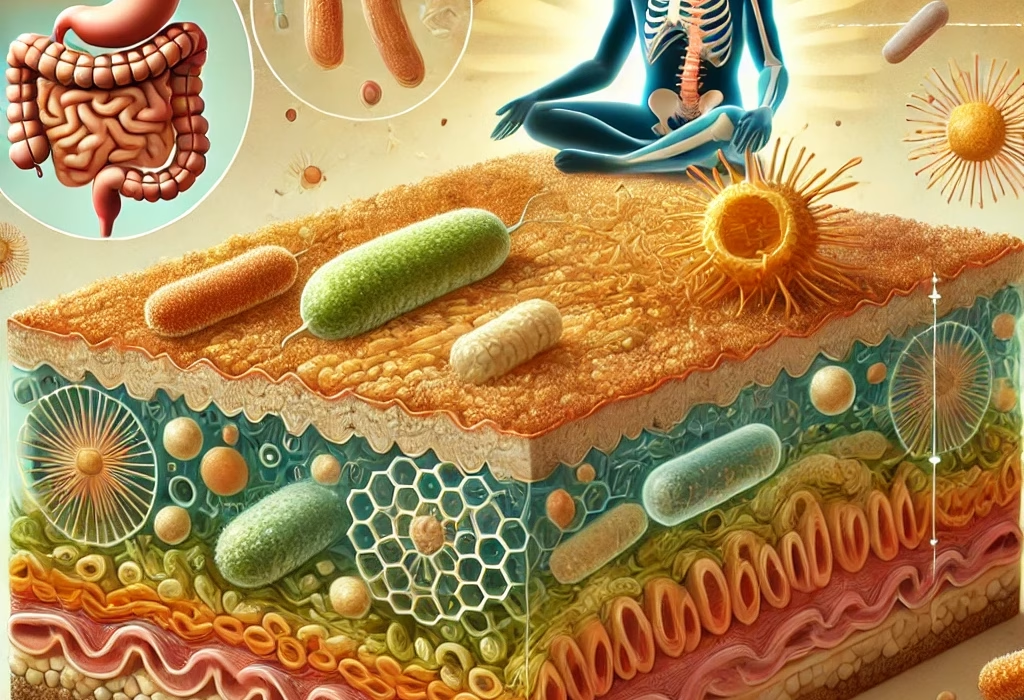
To understand why hypnotherapy is effective for a physical condition like IBD, we must look at the Brain-Gut Axis. Your gut contains the “enteric nervous system,” often called your “second brain.” This system is connected to your head via the vagus nerve, a two-way superhighway for signals.

In IBD, this highway is often congested with “noise.” Stress, even in small amounts, sends signals down the vagus nerve that can increase intestinal permeability (leaky gut) and heighten the sensation of pain.

How Hypnotherapy Rewires the Connection

Gut-directed hypnotherapy doesn’t just “relax” you; it uses specific, targeted suggestions to retrain how your brain interprets signals from your digestive tract.

  1. Lowering the Pain Threshold: By entering a state of focused trance, we can suggest that the brain “filter out” the chronic background noise of intestinal discomfort.
  2. Smoothing Motility: Visualizations are used to regulate the rhythmic contractions of the gut, helping to reduce the “urgency” that many IBD sufferers fear.
  3. Reducing the “Flare Response”: By calming the sympathetic nervous system, we reduce the production of pro-inflammatory cytokines that are often triggered by psychological stress.

What the Research Says

It is important to note that hypnotherapy for IBD is backed by clinical evidence. Studies, including notable research from Gastroenterology journals, have shown that patients who utilize GDH alongside their standard medical care experience:

  • Longer periods of remission between flares.
  • Significant reduction in anxiety and depression related to their condition.
  • Improved sleep quality, which is essential for the body to repair inflamed tissue.

As a specialist in gut-directed hypnotherapy in London, I work as a complement to your gastroenterologist’s care, ensuring a truly multi-disciplinary approach to your health.


What to Expect from a Session at London Hypnotics

If you’ve never experienced clinical hypnotherapy, you might be surprised by how grounded the process is. There are no swinging watches; instead, it is a deeply relaxing, therapeutic experience.

  • Assessment: We discuss your specific triggers, is it a morning commute on the Tube? Or a high-pressure meeting at work?
  • The Induction: I lead you into a state of relaxed focus where your subconscious mind is most receptive.
  • Gut-Specific Imagery: We use metaphors tailored to your symptoms. For some, this is visualizing a cooling, blue mist calming an inflamed colon; for others, it is imagining the digestive system as a smooth-flowing river.
  • Empowerment: I provide you with “self-hypnosis” tools you can use the moment you feel a flare or a wave of anxiety beginning.

Reclaiming Control in London

Living in a fast-paced city like London can be particularly challenging for IBD patients. The stress of travel and the “always-on” culture can exacerbate symptoms. By integrating gut-directed hypnotherapy, you aren’t just treating the symptoms; you are changing your relationship with your body.

You don’t have to be a passenger to your condition. You can take the wheel again.

Frequently Asked Questions About Hypnotherapy for IBD

1. Can hypnotherapy actually cure Crohn’s or Colitis?

While there is currently no known “cure” for IBD, hypnotherapy is a powerful complementary treatment. It focuses on symptom management, reducing the frequency of flares, and improving the psychological impact of the disease. By calming the “brain-gut axis,” many patients find they can achieve longer periods of remission and a higher quality of life.

2. Is gut-directed hypnotherapy the same as “stage hypnosis”?

Not at all. Clinical hypnotherapy is a professional therapeutic process. You remain in complete control at all times; you aren’t “asleep” or under a spell. Instead, you are in a state of focused relaxation, similar to being “lost” in a good book, where your subconscious mind is more open to positive, gut-specific suggestions.

3. How many sessions will I need?

Every individual is different, but for chronic conditions like IBD, most clients see the best results from a protocol of 6 to 12 sessions. This allows us to address the immediate physical symptoms first, followed by the underlying stress triggers that may be contributing to your flares.

4. Does IBD hypnotherapy work if I’m a “skeptic”?

You don’t need to “believe” in hypnosis for it to work. The process relies on the biological connection between your nervous system and your digestive tract. As long as you are willing to participate in the relaxation and visualization exercises, your body can benefit from the shift in your autonomic nervous system.

5. Can I have sessions online or at your London clinic?

Yes, I offer both. Many clients find that having sessions in the comfort of their own home—where they feel closest to their own bathroom facilities, actually helps them relax more deeply. However, for those who prefer an in-person experience, my London-based clinic provides a dedicated, calm space for your recovery.

6. Will this replace my current medication?

No. Gut-directed hypnotherapy should be used as part of a multi-disciplinary approach. You should always follow the advice of your gastroenterologist and continue your prescribed medication. Our goal is to work alongside your medical team to give you the most comprehensive care possible.

About the Author: Antonios Koletsas

Specialist in Gut-Directed Hypnotherapy

Based in the heart of London, I am a clinical hypnotherapist specializing in the powerful intersection of the mind and the digestive system. My practice, London Hypnotics, was founded on the belief that nobody should have to manage the debilitating symptoms of IBD, IBS, or chronic gut distress alone.

With a formal specialization in Gut-Directed Hypnotherapy (GDH), I utilize evidence-based protocols to help clients re-calibrate their brain-gut axis. My approach is compassionate, science-led, and tailored to the unique challenges of living with IBD in a fast-paced urban environment. I work closely with clients to help them move from a state of “flare-up hyper-vigilance” to a state of calm, empowered control.

When I’m not working with clients at my London clinic or via global online sessions, I am dedicated to raising awareness about the efficacy of hypnotherapy in modern gastroenterology.

Clinical References & Further Reading

  • Keefer, L., et al. (2013). Gut-directed hypnotherapy significantly augments clinical remission in quiescent ulcerative colitis. Published in Alimentary Pharmacology & Therapeutics.Key Finding: This study demonstrated that 68% of patients using hypnotherapy maintained clinical remission for a full year, compared to 40% in the control group.
  • Mawdsley, J. E., et al. (2008). The effect of hypnosis on systemic and rectal mucosal measures of inflammation in ulcerative colitis. Published in The American Journal of Gastroenterology.Key Finding: This research showed that a single session of gut-focused hypnosis significantly reduced serum IL-6 (a marker of systemic inflammation) and rectal mucosal inflammatory markers.
  • Szigethy, E. (2015). Hypnotherapy for Inflammatory Bowel Disease Across the Lifespan. Published in the American Journal of Clinical Hypnosis.Key Finding: A comprehensive review showing that hypnotherapy reduces IBD-related inflammation and improves health-related quality of life for both adolescents and adults.
  • British Society of Gastroenterology (2025). BSG Guidelines on the Management of Inflammatory Bowel Disease in Adults. Read the 2025 Guidelines here.Note: These updated UK guidelines highlight the necessity of a multidisciplinary team (MDT), including psychologists and specialists focused on the mind-gut connection.
  • Crohn’s & Colitis Foundation. How Gut-Directed Hypnosis Helps IBS and IBD. Resource Link.
Lifestyle

Beyond Willpower: Why Your 2026 Resolutions Need the Subconscious Mind

Why do 80% of New Year’s resolutions fail by the second week of February?

We all know the pattern. The festive season in London ends, the decorations come down, and we are left with a surge of motivation. We buy the gym membership, we download the meditation app, and we promise ourselves that this year, we will finally get a handle on our stress or diet.

But fast forward to mid-February, and life gets in the way. The grey skies and the busy commute chip away at our energy, and old habits creep back in. We often blame ourselves, thinking we just didn’t have enough discipline.

As a hypnotherapist, I am here to tell you: It is not your fault, and it is not a lack of willpower. It is simply a conflict between your conscious desires and your subconscious programming.

The Iceberg Effect: Understanding Your Mind

To understand why resolutions fail, you have to look at how the mind operates. Think of your mind like an iceberg floating in the ocean.

  • The Tip (10% – The Conscious Mind): This is the part of you reading this blog. It is logical, analytical, and sets goals like “I want to stop snacking on sugar” or “I want to be more confident at work.”
  • The Hidden Mass (90% – The Subconscious Mind): This is where your automatic behaviours, emotional memories, and self-protection mechanisms live. It is the autopilot that drives your life.

When you use willpower, you are using the 10% to fight the 90%. If your subconscious believes that “sugar equals comfort” or “worrying keeps me safe,” it will eventually overpower your conscious logic. This is why “cold turkey” changes rarely last.

How Hypnotherapy Bridges the Gap

Hypnotherapy is the key to accessing that submerged 90%. It allows us to bypass the “Critical Faculty”, the guard at the gate of your mind, and speak directly to the subconscious.

Instead of fighting your instincts, we update them. We use deep relaxation and targeted suggestion to align your deep-seated beliefs with your new goals. When your subconscious wants the same thing as your conscious mind, the struggle disappears. Healthy choices start to feel natural rather than forced.

A Special Note on “Gut Feelings” and Health Goals

One of the most common resolutions I see is the desire to “get healthy” or “fix my digestion” after the indulgences of December. This is close to my heart, as I specialize in gut-directed hypnotherapy.

If you suffer from IBS or digestive issues, you likely know that stress is a major trigger. No amount of strict dieting will fix a sensitive gut if your nervous system is constantly in “fight or flight” mode.

  • The Resolution: “I will go on a strict diet.”
  • The Reality: The stress of the strict diet triggers the gut, causing more bloating and discomfort.
  • The Hypnotherapy Approach: We teach the gut-brain axis to relax. We visualize the digestive system functioning smoothly. By lowering the internal stress response, we often see a significant reduction in physical symptoms, allowing you to enjoy food without fear in 2026.

3 Ways to Prime Your Mind for Success

You don’t have to wait for your first session to start shifting your mindset. Here are three techniques to help your resolutions stick:

  1. Focus on the “Why,” Not the “What”: Don’t just write down “Lose weight.” Close your eyes and visualize how you will feel when you achieve it. Imagine the energy you’ll have walking through the park, or how your clothes will fit. The subconscious speaks the language of images and feelings, not words.
  2. Phrase Goals in the Present Tense: Avoid saying “I will be calm.” This puts the goal in the future, just out of reach. Instead, tell yourself, “I am becoming calmer every day.” This trains the brain to accept this as your current reality.
  3. Start Before January 1st: There is no magic in the date. By starting to visualize your success now, you remove the pressure of the “big day” and start the year with momentum.

Make 2026 Your Year of Lasting Change

If you are based in London and are tired of the annual cycle of setting goals and abandoning them, let’s try a different approach.

At London Hypnotics, I help clients rewire the habits that hold them back, whether that’s soothing a troubled gut, managing anxiety, or building confidence. Let’s work together to make your 2026 resolutions the ones that finally stick.

Health

Why Your IBS Isn’t Just in Your Gut: The Surprising Role of the Mind

For many people living with Irritable Bowel Syndrome (IBS), the condition feels like an endless cycle of discomfort, bloating, and unpredictable flare-ups. Traditional treatments such as diet changes, medication, or supplements often bring only partial relief. But what if your gut symptoms weren’t just about what you eat, but also about what you think and feel?

Courtesy of Freepik

Recent research shows that IBS is not purely a digestive problem. Instead, it is a disorder of the gut-brain axis, the two-way communication system between your digestive system and your nervous system. Understanding this connection can transform how you manage your symptoms, and hypnotherapy may play a unique role in breaking the cycle.


The Gut-Brain Connection

Your gut is sometimes called your “second brain.” It has its own nervous system, called the enteric nervous system, which communicates with the brain through the vagus nerve. This means your digestive health is strongly influenced by your emotional state.

When you feel stressed or anxious, your body goes into “fight or flight” mode. Blood flow shifts away from digestion, gut motility changes, and inflammation can increase. All of this can worsen IBS symptoms.


The Vicious Cycle of IBS and Anxiety

Here’s the problem: not only does stress worsen IBS, but IBS itself increases stress. Many clients describe a constant worry about flare-ups when leaving the house, at work, or during social events. This creates a feedback loop:

Stress and anxious thoughts amplify gut sensitivity.
Gut symptoms trigger more stress and anxiety.

Breaking this cycle requires more than diet or medication alone. It means addressing both the mind and the body.


How Hypnotherapy Can Help

Hypnotherapy works by guiding you into a relaxed state where your subconscious mind is more open to positive suggestions. With gut-directed hypnotherapy, we can:

Calm the nervous system, reducing the overactive stress response that worsens IBS.
Retrain subconscious patterns, breaking the association between stress and gut symptoms.
Promote healthy gut function, by visualising smooth digestion and reduced sensitivity.

Clinical studies have shown that gut-focused hypnotherapy can lead to long-term improvement in IBS symptoms for many patients who did not respond to conventional treatment.


A Client Story (Anonymised)

A client came to me after years of trying strict diets and medications for IBS. She felt trapped, avoiding social situations and constantly anxious about flare-ups. After a tailored hypnotherapy programme, she noticed not only a reduction in gut pain and bloating but also a greater sense of control and calmness in daily life. For her, hypnosis became the missing piece, addressing the mind as well as the body.


Moving Beyond “Coping”

If you’ve been told to “just manage stress” without real tools, you may feel frustrated. Hypnotherapy offers more than relaxation — it helps you change the way your mind and body interact, reducing symptoms and restoring confidence in daily life.

At London Hypnotics, based in 364 City Road, London, I specialise in gut-directed hypnotherapy, combining the latest science with a compassionate, personalised approach.

Frequently Asked Questions about IBS and Hypnotherapy

Can stress really cause IBS symptoms?
Yes. Stress does not cause IBS on its own, but it can make symptoms worse. The gut and brain are connected through the gut-brain axis, so anxiety and stress can directly influence digestion and trigger flare-ups.

Does hypnotherapy actually work for IBS?
Research shows that gut-directed hypnotherapy can reduce pain, bloating, and bowel issues in many IBS patients. It helps calm the nervous system and retrain the subconscious response between the mind and the gut.

How long does hypnotherapy take to help IBS?
Most people notice improvement within 4 to 6 sessions. Some may feel relief sooner, while others with more severe symptoms may benefit from longer-term treatment.

Is hypnotherapy safe for IBS?
Yes. Hypnotherapy is a safe and drug-free approach. It involves deep relaxation and guided visualisation, and you remain fully in control throughout the session.

Can hypnotherapy help if nothing else has worked for my IBS?
Many people turn to hypnotherapy after years of trying diets, medication, and other therapies with little success. Clinical trials suggest it can be effective even when other treatments have failed.

Final Thoughts

IBS is not “all in your head.” It is a real, complex condition influenced by the powerful connection between your gut and your mind. By working with this connection, instead of fighting against it, you can unlock new ways of finding relief.

If you’re ready to explore how hypnotherapy can help you manage IBS and reclaim your quality of life, you can learn more or book a session at: London Hypnotics

References

  1. Mayer, E. A. (2011). Gut feelings: the emerging biology of gut–brain communication. Nature Reviews Neuroscience, 12(8), 453–466.
  2. Whorwell, P. J., Prior, A., & Faragher, E. B. (1984). Controlled trial of hypnotherapy in the treatment of severe refractory irritable-bowel syndrome. The Lancet, 324(8414), 1232–1234.
  3. Vasant, D. H., Paine, P. A., Black, C. J., Houghton, L. A., & Ford, A. C. (2021). British Society of Gastroenterology guidelines on the management of irritable bowel syndrome. Gut, 70(7), 1214–1240.

gut-directed hypnotherapy
Health

Gut-Directed Hypnotherapy for IBS: Does It Really Work?

As a hypnotherapist specializing in gut-directed hypnotherapy, I often hear from people struggling with Irritable Bowel Syndrome (IBS) and other digestive disorders. Many are curious—sometimes skeptical—about whether this therapy is legitimate, how it works, and most importantly: can it really help me feel better?

In this post, I’ll answer your most frequently asked questions about gut hypnotherapy, including cost, effectiveness, NHS options, and more.


1. How Much Does Gut-Directed Hypnotherapy Cost?

Private gut-directed hypnotherapy sessions typically cost between £100–£150 per session, depending on the therapist’s experience, location, and whether sessions are online or in-person. Most sessions are around 55 minutes.

While this may seem like a significant investment, many clients find it more cost-effective in the long run than relying on medication or frequent medical appointments.

Tip: Some private health insurers may reimburse hypnotherapy if referred by a GP.


2. Does Gut-Directed Hypnotherapy Actually Work?

Yes—gut-directed hypnotherapy is clinically proven to work for IBS and other functional gastrointestinal disorders.

Multiple studies show it can:

  • Reduce abdominal pain and bloating
  • Improve bowel regularity
  • Lower anxiety and stress related to gut issues

Unlike medications that only suppress symptoms, gut hypnotherapy retrains your gut-brain axis—the communication highway between your brain and digestive system—so your body responds differently to stress and discomfort.


3. Is Gut Hypnotherapy Legitimate?

Absolutely. Gut-directed hypnotherapy is evidence-based and recommended by medical bodies such as:

  • The British Society of Gastroenterology
  • The American College of Gastroenterology

It’s not a quick-fix or a fringe therapy—it’s a structured, science-backed approach that’s been shown to help the majority of IBS patients manage their symptoms more effectively.


4. How Long Does Gut-Directed Hypnotherapy Take to Work?

Most people begin to notice improvements after 4–6 sessions, with full benefits often experienced around 8–12 sessions.

Factors that can influence your results:

  • Severity of symptoms
  • Stress levels
  • How regularly you practice techniques between sessions

Some people experience fast relief, while others need more time—but studies consistently show 70–80% of IBS sufferers see significant improvement.


5. What Is the Success Rate of Gut Hypnotherapy?

Clinical research reports success rates of 70–85% in relieving IBS symptoms through gut-directed hypnotherapy. Common outcomes include:

  • Long-term or even lasting symptom relief
  • Reduction or elimination of medication
  • Improved overall mental well-being

This therapy works because it helps normalize how your brain interprets gut sensations—providing natural, long-lasting relief.


6. Is Gut Hypnotherapy Available on the NHS?

Yes—but availability can be limited depending on your location. Some NHS gastroenterology departments do offer gut-directed hypnotherapy, but access often involves:

  • Long waiting lists
  • Strict referral criteria
  • Limited session numbers

If you’re seeking quicker or more personalized treatment, private hypnotherapy is a flexible and accessible alternative.


7. Can IBS Be Cured by Hypnotherapy?

While IBS is considered a chronic condition, gut-directed hypnotherapy can significantly reduce—or even eliminate—symptoms for many people.

Some clients go into full remission. Others manage flare-ups more effectively and regain control over their life.

By rewiring the brain-gut axis, hypnotherapy helps calm digestive hypersensitivity and restores balance—without relying on medication.


You Don’t Have to Stay Stuck

I’ve been in your shoes—trapped in the exhausting cycle of symptoms, appointments, and frustration. Today, I help clients break free using the same techniques that transformed my own life.

If you’re ready to explore gut-directed hypnotherapy, I invite you to:

👉 Book a free consultation
👉 Visit my website for client stories, FAQs.

Your gut is talking. It’s time to start listening—and healing.

Health

The Missing Link in IBS & SIBO: How Biofilm Disruptors Improve Gut Health

As a gut-directed hypnotherapist, I understand the profound connection between the mind and the gut. The gut is often called the “second brain” because of its intricate link to our emotions, stress levels, and overall well-being. When gut health is compromised, it can lead to a cascade of digestive issues, inflammation, and even mental health issues.

One of the emerging challenges in gut health is biofilms—protective layers created by harmful bacteria, fungi, and parasites that shield them from the immune system and treatments. These biofilms can contribute to chronic gut issues such as SIBO (Small Intestinal Bacterial Overgrowth), Candida overgrowth, and persistent digestive discomfort.

How Gut-Directed Hypnotherapy Supports Gut Healing

Gut-directed hypnotherapy is a powerful, evidence-based approach that helps regulate gut function by calming the nervous system. Research has shown its effectiveness in managing IBS (Irritable Bowel Syndrome), bloating, and functional digestive disorders. Here’s how it works:

  1. Reduces Stress & Nervous System Overdrive
    • Chronic stress disrupts gut motility and increases inflammation.
    • Hypnotherapy activates the parasympathetic nervous system (“rest and digest” mode), promoting better digestion and gut motility.
  2. Reprograms Negative Gut-Brain Patterns
    • Many people develop subconscious fear or anxiety around food and digestion.
    • Hypnotherapy helps reframe these thought patterns, reducing gut hypersensitivity.
  3. Enhances Mind-Body Communication
    • Guided visualization and somatic techniques encourage optimal gut function and microbiome balance.

The Role of Biofilm Disruptors in Gut Healing

While hypnotherapy addresses the mind-gut connection, biofilm disruptors tackle the physical barrier that protects harmful pathogens. Common biofilm disruptors include:

  • Enzymes (e.g., Serrapeptase, Nattokinase, Lumbrokinase) – Break down biofilm matrices.
  • Herbs (e.g., Berberine, Oregano Oil, Garlic) – Have antimicrobial properties.
  • EDTA & NAC (N-Acetyl Cysteine) – Help dissolve biofilms and support detoxification.

Combining gut-directed hypnotherapy with biofilm disruptors creates a holistic healing strategy—addressing both the psychological and physiological aspects of gut dysfunction.

A Step-by-Step Healing Approach

  1. Calm the Nervous System – Use hypnotherapy to reduce stress and improve gut-brain signaling.
  2. Disrupt Biofilms – Work with a healthcare provider to incorporate biofilm disruptors if needed.
  3. Rebalance the Microbiome – Probiotics, prebiotics, and a gut-friendly diet support repopulation of beneficial bacteria.
  4. Reinforce Positive Mind-Gut Habits – Hypnotherapy reinforces long-term gut health through subconscious reprogramming.

Healing the gut is not just about what we eat or supplements we take—it’s also about how we think, feel, and process stress. By integrating gut-directed hypnotherapy with biofilm-disrupting strategies, we can create a deeper, more sustainable healing process.

If you’re struggling with persistent gut issues, consider exploring how hypnotherapy can support your journey to better digestion and overall wellness.

Ready to transform your gut health? Let’s work together to restore balance, mind, and body.

📩 Contact me today to learn more about gut-directed hypnotherapy sessions!

References
Ford, A. C., et al. (2014). “Efficacy of prebiotics, probiotics, and synbiotics in irritable bowel syndrome and chronic idiopathic constipation: systematic review and meta-analysis.” American Journal of Gastroenterology, 109(10), 1547–1561.

Lindfors, P., et al. (2012). “Long-term effects of hypnotherapy in patients with refractory irritable bowel syndrome.” Scandinavian Journal of Gastroenterology, 47(4), 414–420.

Peters, S. L., et al. (2015). “Gut-directed hypnotherapy for functional abdominal pain or irritable bowel syndrome in children: a systematic review.” Journal of Pediatric Gastroenterology and Nutrition, 61(6), 665–672.

Simrén, M., & Tack, J. (2018). “Neurogastroenterology and motility disorders of the gastrointestinal tract.” Handbook of Clinical Neurology, 160, 413–426.

Keefer, L., et al. (2020). “Gut-directed hypnotherapy significantly improves quality of life in patients with irritable bowel syndrome.” Neurogastroenterology & Motility, 32(8)

Costerton, J. W., et al. (1999). “Bacterial biofilms: a common cause of persistent infections.” Science, 284(5418), 1318–1322.

Pérez, M. J., et al. (2021). “Biofilm disruption agents for chronic infections: a review of potential strategies.” Frontiers in Microbiology, 12, 609325.

Bjarnsholt, T., et al. (2013). “The role of bacterial biofilms in chronic infections.” APMIS, 121(136), 1–58.

Mayer, E. A., et al. (2014). “Gut/brain axis and the microbiota.” Journal of Clinical Investigation, 124(10), 4132–4142.

Dinan, T. G., & Cryan, J. F. (2017). “The microbiome-gut-brain axis in health and disease.” Gastroenterology Clinics, 46(1), 77–89.

Rao, S. S. C., & Rehman, A. (2018). “Biofeedback therapy for constipation and fecal incontinence.” Gastroenterology Clinics, 47(3), 623–636.

Sachdeva, A., & Rawat, A. K. (2020). “Herbal biofilm disruptors in the management of gut dysbiosis.” Journal of Ayurveda and Integrative Medicine, 11(3), 350–356.

Gastrointestinal System
Health, Lifestyle

Gut-Directed Hypnotherapy for SIBO: How to Heal Your Mind-Gut Connection Naturally

Small Intestinal Bacterial Overgrowth (SIBO) is a complex and often frustrating condition that affects millions of people worldwide. Characterized by an overgrowth of bacteria in the small intestine, SIBO can lead to a host of uncomfortable symptoms, including bloating, gas, abdominal pain, diarrhea, constipation, and malabsorption of nutrients. While antibiotics and dietary changes are commonly prescribed treatments, many patients find that these approaches only provide temporary relief or fail to address the root cause of the issue. This is where gut-directed hypnotherapy comes in—a powerful, evidence-based tool that can help clear SIBO by addressing the mind-gut connection.

Small Intestine Bacterial Overgrowth (SIBO) Illustration courtesy of Freepik

Understanding SIBO and the Mind-Gut Connection

SIBO occurs when bacteria that normally reside in the large intestine migrate to the small intestine, where they don’t belong. This overgrowth disrupts digestion, leading to the symptoms mentioned above. While factors like diet, antibiotics, and gut motility issues can contribute to SIBO, emerging research highlights the role of stress and the brain-gut axis in the development and persistence of the condition.

The brain-gut axis is a bidirectional communication system between the central nervous system and the enteric nervous system (the “second brain” in the gut). Stress, anxiety, and trauma can disrupt this communication, leading to changes in gut motility, immune function, and bacterial balance. This is why many people with SIBO also struggle with conditions like irritable bowel syndrome (IBS), anxiety, and depression.

What is Gut-Directed Hypnotherapy?

Gut-directed hypnotherapy is a specialized form of hypnotherapy designed to address gut-related issues by calming the nervous system and restoring balance to the brain-gut axis. During a session, a trained hypnotherapist guides the patient into a deeply relaxed state and uses visualization, suggestion, and other techniques to promote healing in the gut.

Research has shown that gut-directed hypnotherapy can significantly improve symptoms of IBS, which often overlaps with SIBO. Studies have demonstrated that hypnotherapy can reduce pain, bloating, and irregular bowel movements while improving overall quality of life. While less research has specifically focused on SIBO, the principles of gut-directed hypnotherapy make it a promising complementary treatment for this condition.

How Gut-Directed Hypnotherapy Can Help Clear SIBO

  1. Reducing Stress and Calming the Nervous System
    Chronic stress is a major contributor to SIBO, as it can impair gut motility and create an environment where bacteria thrive. Gut-directed hypnotherapy helps activate the parasympathetic nervous system (the “rest and digest” mode), which counteracts the effects of stress and promotes healthy digestion.
  2. Improving Gut Motility
    One of the key factors in SIBO is impaired motility in the small intestine, which allows bacteria to accumulate. Hypnotherapy can help regulate the migrating motor complex (MMC), the wave-like contractions that clear bacteria from the small intestine between meals. By enhancing the MMC, hypnotherapy can help prevent bacterial overgrowth.
  3. Restoring Balance to the Brain-Gut Axis
    Hypnotherapy works to rewire the brain-gut connection, reducing hypersensitivity in the gut and improving communication between the brain and the digestive system. This can help alleviate symptoms like pain, bloating, and irregular bowel movements.
  4. Addressing Emotional Triggers
    Many people with SIBO have a history of trauma, anxiety, or chronic stress, which can exacerbate gut issues. Hypnotherapy provides a safe space to process and release these emotions, reducing their impact on the gut.
  5. Enhancing the Effectiveness of Other Treatments
    Gut-directed hypnotherapy can be used alongside antibiotics, probiotics, and dietary changes to enhance their effectiveness. By addressing the mind-gut connection, hypnotherapy can help create a more favorable environment for healing.

What to Expect in a Gut-Directed Hypnotherapy Session

During a gut-directed hypnotherapy session, you’ll be guided into a state of deep relaxation. Your therapist may use imagery, such as visualizing a calm, healing light flowing through your digestive system, or suggest positive affirmations to reinforce healthy gut function. Over time, these sessions can help retrain your brain and gut to work together more harmoniously.

Many people begin to notice improvements in their symptoms after just a few sessions, though the number of sessions needed varies depending on the individual. Hypnotherapy is a safe, non-invasive, and drug-free approach that can be tailored to your specific needs.

A Holistic Approach to SIBO Healing

While gut-directed hypnotherapy is not a standalone cure for SIBO, it is a valuable tool in a holistic treatment plan. By addressing the mind-gut connection, hypnotherapy can help break the cycle of stress and dysfunction that perpetuates SIBO. Combined with dietary changes, probiotics, and other therapies, it can support long-term healing and help you regain control of your gut health.

If you’re struggling with SIBO and haven’t found relief through conventional treatments, consider exploring gut-directed hypnotherapy. It may be the missing piece in your journey to healing.


About the Author
Antonios Koletsas is a certified hypnotherapist who specializes in gut-directed hypnotherapy for SIBO, IBS, and other digestive disorders. Passionate about helping clients heal from the inside out, Antonios combines evidence-based techniques with a compassionate, personalized approach to support lasting change. Contact Antonios today to learn more about how hypnotherapy can help you reclaim your gut health by submitting the contact form or calling 020 7101 3284.

References

  1. SIBO Overview
    Ghoshal, U. C., Shukla, R., & Ghoshal, U. (2017). Small intestinal bacterial overgrowth and irritable bowel syndrome: A bridge between functional organic dichotomy. Gut and Liver, 11(2), 196–208. https://doi.org/10.5009/gnl16126
  2. Brain-Gut Axis and Stress
    Mayer, E. A., Tillisch, K., & Gupta, A. (2015). Gut/brain axis and the microbiota. Journal of Clinical Investigation, 125(3), 926–938. https://doi.org/10.1172/JCI76304
  3. Hypnotherapy for IBS
    Whorwell, P. J., Prior, A., & Faragher, E. B. (1984). Controlled trial of hypnotherapy in the treatment of severe refractory irritable bowel syndrome. The Lancet, 324(8414), 1232–1234. https://doi.org/10.1016/S0140-6736(84)92793-4
  4. MMC Dysfunction and SIBO
    Pimentel, M., Soffer, E. E., Chow, E. J., Kong, Y., & Lin, H. C. (2002). Lower frequency of MMC is found in IBS subjects with abnormal lactulose breath test, suggesting bacterial overgrowth. Digestive Diseases and Sciences, 47(12), 2639–2643. https://doi.org/10.1023/A:1021039032413
  5. Stress and Gut Microbiota
    Foster, J. A., Rinaman, L., & Cryan, J. F. (2017). Stress & the gut-brain axis: Regulation by the microbiome. Neurobiology of Stress, 7, 124–136. https://doi.org/10.1016/j.ynstr.2017.03.001
  6. Hypnotherapy and Gut Motility
    Simrén, M., Ringström, G., Björnsson, E. S., & Abrahamsson, H. (2004). Treatment with hypnotherapy reduces the sensory and motor component of the gastrocolonic response in irritable bowel syndrome. Psychosomatic Medicine, 66(2), 233–238. https://doi.org/10.1097/01.psy.0000116964.76529.6e
  7. Emotional Triggers and Gut Health
    Bradford, K., Shih, W., Videlock, E. J., Presson, A. P., Mayer, E. A., Chang, L., & Naliboff, B. D. (2012). Association between early adverse life events and irritable bowel syndrome. Clinical Gastroenterology and Hepatology, 10(4), 385–390. https://doi.org/10.1016/j.cgh.2011.12.018
  8. Integrative Approaches to SIBO
    Chey, W. D., Kurlander, J., & Eswaran, S. (2015). Irritable bowel syndrome: A clinical review. JAMA, 313(9), 949–958. https://doi.org/10.1001/jama.2015.0954
  9. Vagus Nerve and Digestion
    Bonaz, B., Sinniger, V., & Pellissier, S. (2017). The vagus nerve in the neuro-immune axis: Implications in the pathology of the gastrointestinal tract. Frontiers in Immunology, 8, 1452. https://doi.org/10.3389/fimmu.2017.01452
  10. Rome IV Criteria for Functional Gut Disorders
    Drossman, D. A., & Hasler, W. L. (2016). Rome IV—Functional GI disorders: Disorders of gut-brain interaction. Gastroenterology, 150(6), 1257–1261. https://doi.org/10.1053/j.gastro.2016.03.035
gut-brain-ais
Lifestyle

Gut-Directed Hypnotherapy: The Science Behind the Mind-Gut Connection

In recent years, gut-directed hypnotherapy (GDH) has gained recognition as an effective treatment for gastrointestinal disorders, particularly Irritable Bowel Syndrome (IBS). This innovative approach leverages the mind-gut connection, a concept rooted in both ancient practices and modern science. But how does gut-directed hypnotherapy work, and what does the science say about its efficacy?

gut-directed hypnotherapy

The Mind-Gut Connection: A Scientific Overview

The gut and brain are intricately connected through the gut-brain axis, a bidirectional communication system that includes the central nervous system (CNS), the enteric nervous system (ENS), and the vagus nerve. This axis regulates many physiological processes, including digestion, mood, and immune function. Disruptions in this communication pathway have been linked to various disorders, including IBS, anxiety, and depression.

Key players in the gut-brain axis include:

  • The Enteric Nervous System (ENS): Sometimes called the “second brain,” the ENS consists of over 100 million neurons embedded in the gastrointestinal lining.
  • The Microbiome: Gut bacteria play a crucial role in producing neurotransmitters like serotonin, which influence mood and gut motility.
  • The Vagus Nerve: This nerve acts as a conduit, transmitting signals between the brain and the gut.

What is Gut-Directed Hypnotherapy?

Gut-directed hypnotherapy is a specialized form of clinical hypnotherapy that focuses on the gastrointestinal system. It involves guiding patients into a state of deep relaxation and using hypnotic suggestions to:

  • Alleviate visceral hypersensitivity (heightened pain perception in the gut).
  • Improve gut motility and regulate bowel movements.
  • Reduce stress and anxiety, which often exacerbate gastrointestinal symptoms.

Therapists typically tailor the sessions to address the specific needs of the patient, using imagery and metaphors to help the patient visualize their gut functioning in a healthy, harmonious way.


The Science Behind Gut-Directed Hypnotherapy

Research has provided compelling evidence for the efficacy of gut-directed hypnotherapy, particularly in treating IBS. Key findings include:

  1. Symptom Relief:
    • A meta-analysis published in the American Journal of Gastroenterology found that GDH significantly reduces IBS symptoms, including abdominal pain, bloating, and altered bowel habits.
    • Many patients report long-lasting benefits, with some studies suggesting sustained symptom relief for up to five years after treatment.
  2. Reduced Visceral Hypersensitivity:
    • Hypnotherapy helps modulate the central pain pathways, reducing the brain’s perception of gut-related pain.
  3. Stress Reduction:
    • Chronic stress exacerbates gastrointestinal disorders by disrupting the gut-brain axis. GDH promotes relaxation and lowers cortisol levels, thereby improving gut health.
  4. Altered Brain Activity:
    • Neuroimaging studies have shown that hypnotherapy can alter activity in areas of the brain associated with pain perception and emotional regulation, such as the anterior cingulate cortex and amygdala.

Advantages of Gut-Directed Hypnotherapy

  1. Non-Invasive: Unlike medications or surgeries, GDH is a non-invasive treatment option.
  2. Drug-Free: It eliminates concerns about medication side effects or dependencies.
  3. Holistic: GDH addresses both the psychological and physiological aspects of gut disorders.
  4. Cost-Effective: While initial sessions may seem costly, the long-term benefits often reduce healthcare expenditures.

Beyond IBS: Potential Applications

While IBS is the most common condition treated with gut-directed hypnotherapy, research suggests potential benefits for other disorders, such as:

  • Functional Dyspepsia
  • Inflammatory Bowel Disease (IBD)
  • Gastroesophageal Reflux Disease (GERD)
  • Anxiety and stress-related gut issues

The Role of a Qualified Hypnotherapist

Success with gut-directed hypnotherapy depends on working with a trained and certified hypnotherapist. A professional ensures that sessions are tailored to the individual’s needs and conducted in a safe, supportive environment. Many practitioners also combine GDH with dietary advice, mindfulness practices, or cognitive-behavioral therapy for a more comprehensive approach.

As a hypnotherapist, Antonios Koletsas from London Hypnotics exemplifies this approach. Koletsas is a qualified Ericksonian Hypnotherapist in London, specializing in anxiety, trauma, and general well-being. He obtained his training from Stephen Brooks, a renowned figure in the UK who has introduced the Ericksonian approach and teachings of Milton Erickson and NLP for over five decades. Koletsas holds a distinguished diploma from BHRTI and is fully insured with membership in GHSC, GHR, and NHS.

Koletsas provides a collaborative approach, utilizing Ericksonian Hypnotherapy, coaching, and nutrition for sustainable outcomes addressing both body and mind. His practice, London Hypnotics, offers both in-person sessions at Islington Therapy House in London and online hypnotherapy worldwide, making his services accessible to a broad range of clients. This flexibility allows patients to experience the benefits of hypnotherapy from the comfort of their own homes, requiring only a stable internet connection and a secure, relaxing environment. By combining his expertise in hypnotherapy with a focus on individual needs, Antonios Koletsas demonstrates the importance of working with a qualified professional to achieve success in gut-directed hypnotherapy and other related treatments. (https://london-hypnotics.co.uk/get-to-know-me-antonios-koletsas/)

Hypnotherapist Antonios

Studies about (GDH)

Gut-directed hypnotherapy (GDH) has indeed gained recognition as an effective treatment for gastrointestinal disorders, particularly Irritable Bowel Syndrome (IBS). Below I have included some of the most significant sources outlining the efficacy of (GDH).

The mind-gut connection is supported by research showing the intricate relationship between the brain and the gastrointestinal system. A study from the Max Planck Institute for Biological Cybernetics identified a circuit connecting the brain with certain gut glands, demonstrating a concrete mechanism by which the brain controls the gut microbiome https://www.mpg.de/23468697/0917-kybe-mind-over-microbiome-how-mental-states-impact-gut-health-152035-x

The efficacy of GDH in treating IBS is supported by multiple studies. A review published in PubMed found that response rates among those who received gut-directed hypnotherapy ranged between 24% and 73%, with efficacy maintained long-term in four out of five studies https://pubmed.ncbi.nlm.nih.gov/25858661/

The long-lasting effects of GDH are corroborated by research from Monash University, which showed that gut-directed hypnotherapy improves gastrointestinal symptoms in people with IBS by 70-80%, with improvements maintained in the long-term https://www.monashfodmap.com/blog/how-effective-is-gut-directed/

The comparison between GDH and other treatments is supported by a randomized clinical trial that found the durable effects of gut-directed hypnotherapy to be similar to those of the low FODMAP diet for relief of gastrointestinal symptoms https://pubmed.ncbi.nlm.nih.gov/27397586/

The potential mechanisms of action for GDH are discussed in a study published in Frontiers in Psychology, which notes that gut-directed hypnosis relieves a wide range of symptoms associated with IBS, in contrast to medications that often only target one symptom https://pubmed.ncbi.nlm.nih.gov/27397586/

The effectiveness of GDH in improving both gastrointestinal symptoms and psychological well-being is supported by a study published which found significant reductions in bowel symptoms and improvements in psychological distress after hypnosis treatment and are as equally as effective with the low fodmap diet. https://pubmed.ncbi.nlm.nih.gov/27397586/


Gut-directed hypnotherapy represents a promising frontier in treating gastrointestinal disorders, underpinned by a growing body of scientific evidence. By addressing the intricate relationship between the mind and the gut, GDH offers a holistic, effective, and empowering solution for individuals seeking relief from chronic digestive issues.

As research continues to explore the potential of this therapy, it’s clear that the age-old wisdom of treating the mind and body as interconnected systems has profound relevance in modern healthcare.

Ready to embark on your new journey? Contact me to get more information about Gut directed Hypnotherapy.

Health

What Science Says About Hypnotherapy?

When people think of hypnosis, they often envision stage performances featuring a clock-swinging magician or scenes where volunteers reveal secrets while under a spell. However, hypnosis has a solid scientific foundation and has been shown through clinical research to alleviate pain, reduce anxiety, support smoking cessation, assist with weight loss, and improve sleep quality. It can also help children and teenagers regulate emotions and behaviors. Additionally, self-hypnosis is a practice some individuals use to manage stress and enhance overall well-being.

Hypnosis is characterized by an immersive, non-judgmental state of deep relaxation, which has been studied and refined for centuries. The term “hypnosis” was popularized in the 19th century by Dr. James Braid, a Scottish surgeon who discovered that focused concentration could make the mind more receptive to suggestions. Although this discovery was initially met with skepticism, the medical community has gradually explored and expanded its use over time.

A certified hypnotherapist typically begins by assessing a client’s susceptibility to hypnosis, as not everyone has the same level of responsiveness—though research indicates around two-thirds of adults are receptive. The therapist then guides the individual into a state of deep relaxation, often by evoking sensory imagery such as the sounds of the ocean or the warmth of the sun. The goal is to help the person enter a focused and calming mental space where their immediate surroundings fade into the background.

This process induces a state referred to as the “hypnotic state,” characterized by a combination of dissociation, immersion, and heightened openness. It allows people to become more responsive to therapeutic suggestions, which can help them detach from past traumas or visualize solutions to current challenges. For some, a single session is sufficient to bring about change, while others might incorporate hypnotherapy as an ongoing part of their mental health care.

Entering and emerging from hypnosis is similar to other altered states of consciousness, such as a “flow state,” where a person becomes deeply engrossed in an activity and loses track of time, or during meditation. Unlike meditation, however, hypnosis focuses on making individuals more open to specific suggestions. Self-hypnosis is also accessible to many, supported by apps that guide users through the process and promote goals like stress relief or behavior change.

Modern brain-imaging studies have provided insights into what happens in the brain during hypnosis. For instance, activity in areas related to task-switching can diminish, and connections to regions responsible for self-reflection may weaken. This could explain why individuals in a hypnotic state often report reduced self-consciousness. Additionally, parts of the brain involved in autonomic functions like heart rate and breathing may relax, contributing to the physical calmness often experienced.

Hypnosis has even found applications in surgical settings. For example, in certain breast cancer surgeries, patients may choose between general anaesthesia and localized anaesthesia combined with hypnotherapy. This approach, known as “hypnosedation,” has been studied in clinical trials and linked to reduced preoperative anxiety, minimized pain medication requirements, and less post-surgery discomfort.

Despite growing evidence supporting the use of hypnosis, challenges and skepticism remain. The lack of double-blind study designs in hypnosis research poses a difficulty since participants and practitioners inevitably know when hypnosis is being used. Moreover, while hypnosis has powerful potential, it has sometimes been misused, such as in attempts to recover false memories, leading to legal restrictions on such practices.

When applied by trained professionals, hypnosis can be a valuable tool for meaningful transformation. Susceptibility to suggestion, often seen as a vulnerability, can be harnessed as a source of strength in therapeutic contexts.

To discuss how I can help you with Hypnotherapy click here or call 020 7101 3284

Hypnotherapist Antonios

IBS FOOD TO AVOID
Health

The top 5 foods to avoid if you have IBS

Living with Irritable Bowel Syndrome (IBS) can be challenging, often requiring careful attention to diet and lifestyle choices. As a hypnotherapist specializing in IBS, I understand the importance of identifying trigger foods that can exacerbate symptoms. In this article, we’ll delve into the top five trigger foods to avoid for individuals seeking relief from IBS discomfort.

  1. High-FODMAP Foods: FODMAPs (Fermentable Oligosaccharides, Disaccharides, Monosaccharides, and Polyols) are certain types of carbohydrates that are poorly absorbed in the small intestine. These foods can ferment in the gut, leading to gas, bloating, and discomfort, particularly for individuals with IBS. Common high-FODMAP foods include onions, garlic, wheat, and certain fruits (such as apples and pears). While not everyone with IBS is sensitive to all high-FODMAP foods, it’s wise to limit or avoid them, especially during flare-ups.
  2. Dairy Products: Many individuals with IBS find that dairy products worsen their symptoms. This is often due to lactose intolerance, where the body lacks the enzyme lactase needed to break down lactose, the sugar found in milk and dairy. Symptoms can include bloating, gas, diarrhea, and abdominal pain. Avoiding or reducing consumption of milk, cheese, yogurt, and other dairy products can alleviate symptoms for many IBS sufferers. Opting for lactose-free alternatives or lactase enzyme supplements may also be helpful.
  3. Spicy and High-Fat Foods: Spicy foods and high-fat meals are notorious for triggering IBS symptoms. Spicy foods can irritate the gastrointestinal lining, leading to inflammation and discomfort, while high-fat foods can slow down digestion and exacerbate symptoms like bloating and diarrhea. Common culprits include fried foods, creamy sauces, spicy curries, and certain condiments. Choosing milder spices and opting for lean protein sources, fruits, and vegetables can help minimize symptoms and promote better digestive health.
  4. Beans and Legumes: While beans and legumes are nutritious sources of protein and fiber, they can be problematic for individuals with IBS due to their high FODMAP content. Lentils, chickpeas, black beans, and kidney beans are common examples. These foods can cause gas, bloating, and abdominal discomfort, especially when consumed in large quantities or for those with heightened sensitivity to FODMAPs. Experimenting with smaller portions or selecting canned varieties that have been rinsed thoroughly can help reduce their FODMAP content and minimize symptoms.
  5. Artificial Sweeteners: Artificial sweeteners, often found in sugar-free gum, candies, diet sodas, and certain packaged foods, can trigger digestive issues in some individuals with IBS. While they provide a low-calorie alternative to sugar, artificial sweeteners like sorbitol, mannitol, and xylitol can be poorly absorbed in the digestive tract, leading to gas, bloating, and diarrhea. Avoiding products containing artificial sweeteners or opting for natural sweeteners like stevia or monk fruit may help reduce IBS symptoms associated with their consumption.

Identifying and avoiding trigger foods is crucial for managing symptoms and improving the quality of life for individuals with IBS. By steering clear of high-FODMAP foods, dairy products, gluten-containing foods, caffeine, alcohol, spicy dishes, and high-fat meals, and being mindful of artificial sweeteners, individuals can better control their symptoms and enjoy a more comfortable life. As a hypnotherapist specializing in IBS, I emphasize the importance of personalized dietary strategies and holistic approaches to symptom management, including hypnotherapy, to achieve lasting relief and well-being.

Gut-directed hypnotherapy offers a powerful adjunct to dietary modifications in managing IBS symptoms effectively. This specialized form of hypnotherapy focuses on harnessing the mind-gut connection to alleviate gastrointestinal distress and improve overall well-being. Through relaxation techniques, visualization, and suggestion, gut-directed hypnotherapy aims to reduce gut hypersensitivity, modulate gut motility, and mitigate stress-related triggers that can exacerbate symptoms. Research has shown promising results, with many individuals experiencing significant reductions in pain, bloating, and diarrhea after undergoing gut-directed hypnotherapy sessions. By addressing the underlying psychological and physiological factors contributing to IBS, hypnotherapy empowers individuals to regain control over their symptoms and lead a more fulfilling life.

If you are ready to embark on a journey of healing and transformation you can simply fill up the Contact Me form for a complimentary consultation call or just call +44 020 7101 3284

References

  1. Healthline: “Foods to Avoid with IBS”
  2. Temple Health Blog: “These Foods May Be Making Your IBS Worse”
  3. YorkTest Blog: “Which Foods Trigger IBS Flare-Ups?”
  4. WebMD: “IBS Triggers: Prevention Strategies”
  5. Medical News Today: “Irritable bowel syndrome: 9 foods to avoid”
Health, Lifestyle

Bloating Battle: 5 Foods to Sidestep for IBS Relief

For individuals grappling with Irritable Bowel Syndrome (IBS), the quest to quell bloating is paramount. Certain foods have a knack for exacerbating bloating and discomfort in IBS sufferers, making dietary awareness crucial. Here, we delve into the top five culprits that can stir up trouble in your gut and contribute to bloating woes.

These are the top 5 foods to avoid for bloating:

  1. Gluten and Wheat Products: Gluten, found in wheat and other grains like barley and rye, can be a major trigger for bloating and gastrointestinal distress in individuals with IBS, especially those with gluten sensitivity or celiac disease. Wheat products such as bread, pasta, and baked goods can wreak havoc on the digestive system, leading to bloating, gas, and abdominal discomfort. Opting for gluten-free alternatives or reducing your intake of wheat products can help alleviate bloating and improve digestive well-being.
  2. Greasy Foods: Indulging in greasy, fried foods is like inviting bloating to set up camp in your abdomen. High-fat foods like fried chicken, french fries, and fatty cuts of meat can slow down digestion and contribute to bloating and discomfort in individuals with IBS. Limiting your intake of greasy foods and opting for lighter, healthier alternatives can help keep bloating at bay and promote better digestive health.
  3. Legumes like Beans and Lentils: While legumes are a nutritious source of protein and fiber, they can also be a double-edged sword for individuals with IBS. Beans, lentils, and chickpeas contain high levels of fermentable carbohydrates known as oligosaccharides, which can cause gas and bloating in sensitive individuals. If legumes tend to trigger your symptoms, consider reducing your intake or opting for smaller portions to minimize bloating and digestive discomfort.
  4. Onions & Garlic: As flavorful as they are, onions and garlic can spell trouble for IBS sufferers. These aromatic vegetables contain fructans, a type of fermentable carbohydrate that can be difficult to digest for some individuals with IBS. Consuming onions and garlic, whether raw or cooked, can lead to bloating, gas, and abdominal pain. Experimenting with low-FODMAP alternatives like chives or garlic-infused oil can help you enjoy the flavors you love without the unwanted bloating.
  5. Cruciferous Vegetables like Cabbage and Broccoli: While cruciferous vegetables like cabbage, broccoli, and cauliflower are packed with vitamins and minerals, they also contain raffinose, a type of carbohydrate that can cause gas and bloating in individuals with IBS. Eating large quantities of these vegetables raw or cooked can overwhelm the digestive system and exacerbate bloating and discomfort. Moderation is key when it comes to enjoying cruciferous vegetables, so aim for smaller servings and consider cooking them to make them easier to digest.

By steering clear of these top five bloating triggers, individuals with IBS can take proactive steps toward managing their symptoms and improving their quality of life. Experimenting with a low-FODMAP diet or working with a registered dietitian specializing in IBS can help you identify your unique triggers and develop a personalized dietary plan that supports your digestive health. Remember, knowledge is power when it comes to navigating the intricacies of IBS and finding relief from bloating.

In the journey to alleviate bloating and reclaim digestive comfort, steering clear of common trigger foods is a crucial step for individuals with IBS. By avoiding gluten and wheat products, greasy foods, legumes like beans and lentils, onions & garlic, and cruciferous vegetables like cabbage and broccoli, you can minimize bloating and discomfort.

However, for those seeking comprehensive relief and long-term management of IBS symptoms, exploring complementary therapies like gut-directed hypnotherapy can offer profound benefits. Gut-directed hypnotherapy harnesses the power of the mind-body connection to reduce stress, regulate gut function, and alleviate symptoms such as bloating, abdominal pain, and discomfort.

Through guided relaxation techniques and targeted suggestions, gut-directed hypnotherapy helps individuals with IBS reframe their relationship with their symptoms, fostering a sense of control and empowerment. By addressing the underlying psychological factors that contribute to IBS, such as stress, anxiety, and trauma, hypnotherapy can promote relaxation, improve gut motility, and enhance overall well-being.

If you’re ready to embark on a transformative journey towards digestive freedom and holistic wellness, consider exploring the benefits of gut-directed hypnotherapy. As a leading hypnotherapist based in London, specializing in gut-directed hypnotherapy for IBS, I invite you to visit www.london-hypnotics.co.uk to learn more about how hypnotherapy can help you reclaim control over your digestive health and live a life free from bloating and discomfort. Your path to relief begins here.

References:
https://www.nhs.uk/conditions/irritable-bowel-syndrome-ibs/diet-lifestyle-and-medicines/

https://www.healthline.com/health/digestive-health/foods-to-avoid-with-ibs#gluten

https://www.verywellhealth.com/top-trigger-foods-for-ibs-1945021

https://www.healthline.com/nutrition/13-foods-that-cause-bloating#onions

https://www.templehealth.org/about/blog/these-foods-may-be-making-your-ibs-worse

https://www.hopkinsmedicine.org/health/conditions-and-diseases/irritable-bowel-syndrome-ibs/5-foods-to-avoid-if-you-have-ibs

https://www.health.com/food/best-and-worst-foods-for-bloating

1 2 3
Privacy Settings
We use cookies to enhance your experience while using our website. If you are using our Services via a browser you can restrict, block or remove cookies through your web browser settings. We also use content and scripts from third parties that may use tracking technologies. You can selectively provide your consent below to allow such third party embeds. For complete information about the cookies we use, data we collect and how we process them, please check our Privacy Policy
Youtube
Consent to display content from - Youtube
Vimeo
Consent to display content from - Vimeo
Google Maps
Consent to display content from - Google
Spotify
Consent to display content from - Spotify
Sound Cloud
Consent to display content from - Sound