If you live with eczema, you may have noticed that flare-ups often appear during stressful periods, before important events, or after several nights of poor sleep. You’re not imagining it. Research and clinical experience suggest there is a strong connection between stress and eczema, and many people also find themselves trapped in the frustrating itch-scratch cycle that keeps symptoms going.
Understanding this relationship can help you manage eczema more effectively and reduce the impact it has on daily life.
Does Stress Make Eczema Worse?
Yes, for many people, stress is a recognised trigger for eczema flare-ups.
The NHS lists stress as a common trigger for atopic eczema, alongside irritants such as soaps, detergents, allergens, and changes in temperature.
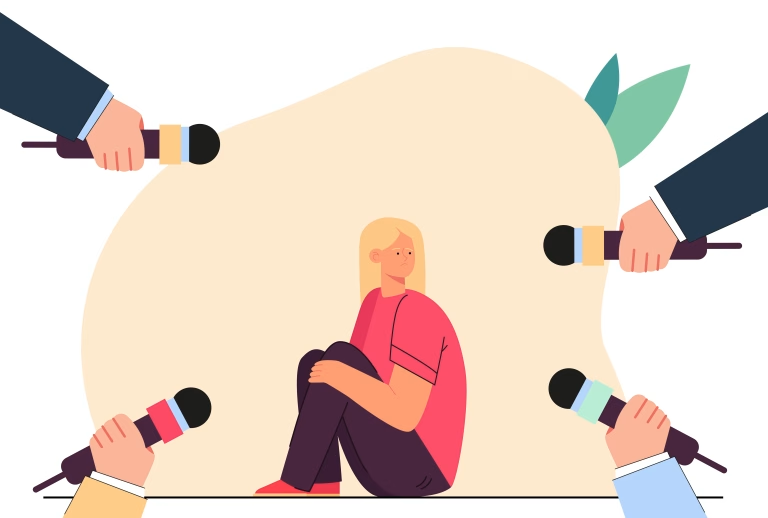
When you’re stressed, your body releases hormones and inflammatory chemicals that can affect both the immune system and the skin barrier. This can lead to:
- Increased itching
- More inflammation
- Greater skin sensitivity
- Poorer sleep
- Slower healing
Stress also tends to increase scratching behaviour, which can make symptoms significantly worse.
What Is the Itch-Scratch Cycle?
One of the biggest challenges with eczema is the itch-scratch cycle.
It works like this:
- Your skin feels itchy.
- You scratch the itch.
- Scratching provides temporary relief.
- The skin becomes damaged and inflamed.
- Inflammation creates more itching.
- The cycle begins again.
Over time, scratching can become an automatic habit rather than a conscious choice.
Many people find themselves scratching when they are:
- Stressed
- Tired
- Watching television
- Working at a computer
- Reading
- Falling asleep
- Asleep during the night
The less aware you are of the scratching, the harder it becomes to break the cycle.
Why Is Eczema Often Worse at Night?
Many people with eczema report that itching becomes much more intense during the evening and overnight.
Several factors may contribute:
- Fewer distractions mean you’re more aware of sensations in the skin
- Body temperature naturally rises during sleep
- Stress from the day may become more noticeable once you relax
- Automatic scratching habits are more likely when you’re tired
Unfortunately, poor sleep can increase stress levels the following day, creating another cycle that contributes to flare-ups.
Can Hypnotherapy Help With Eczema?
Hypnotherapy is not a medical treatment for eczema, and it should not replace advice from your GP or dermatologist. However, some people use hypnotherapy as a complementary approach alongside conventional eczema treatments.
A study involving adults and children with severe atopic eczema found that hypnotherapy was associated with improvements in:
- Itching
- Scratching behaviour
- Sleep quality
- Emotional tension
Some benefits were still present at follow-up, although the study was relatively small and did not include a control group.
How Does Hypnotherapy for Eczema Work?
Hypnotherapy typically focuses on the psychological and behavioural factors that can contribute to flare-ups.
Sessions may include:
Reducing Stress and Anxiety
Since stress is a common eczema trigger, learning to calm the nervous system may help reduce flare-ups and make symptoms easier to manage.
Breaking Automatic Scratching Habits
Many people scratch without noticing. Hypnotherapy can help increase awareness of unconscious scratching and strengthen alternative responses.
Reducing the Sensation of Itch
Some hypnotherapists use guided imagery techniques involving:
- Cool skin
- Comforting sensations
- Relief from irritation
- Healthy skin healing
These approaches aim to change how the brain interprets sensations coming from the skin.
Improving Sleep
Because itching often disrupts sleep, many eczema-focused sessions also include relaxation techniques designed to help you fall asleep more easily and sleep more comfortably.
Should You Keep Using Your Eczema Creams?
Absolutely.
The foundation of eczema treatment remains:
- Regular emollients (moisturisers)
- Prescribed steroid creams when recommended
- Other treatments advised by your GP or dermatologist
- Avoidance of known triggers
Hypnotherapy should be viewed as a complementary approach rather than a replacement for medical care.
If your eczema is:
- Becoming infected
- Rapidly worsening
- Spreading significantly
- Not responding to prescribed treatment
you should seek medical advice from your GP or dermatologist.
What Is the Best Treatment for Eczema?
There is no single treatment that works for everyone.
Most eczema management plans involve a combination of:
- Emollients
- Prescription creams or ointments
- Trigger management
- Skin-care routines
- Stress management strategies
- Behavioural approaches to reduce scratching
The most effective treatment plan is usually one tailored to your specific triggers and symptoms.
Key Takeaways
- Stress is a common trigger for eczema flare-ups.
- Stress can increase both inflammation and scratching behaviour.
- The itch-scratch cycle often keeps eczema symptoms going.
- Scratching can become an automatic habit, especially during stressful periods or at night.
- Hypnotherapy may help reduce stress, itching, scratching, and sleep difficulties alongside medical treatment.
- Continue using emollients and any prescribed eczema treatments.
Frequently Asked Questions About Eczema and Stress
Can Stress Cause Eczema?
Stress does not usually cause eczema on its own, but it can trigger flare-ups in people who already have the condition. Many people notice that symptoms worsen during stressful periods at work, during exams, relationship difficulties, or major life changes.
Does Anxiety Make Eczema Worse?
Yes. Anxiety can increase stress hormones in the body and may make itching feel more intense. Anxiety can also contribute to increased scratching and poor sleep, both of which can worsen eczema symptoms.
What Is the Itch-Scratch Cycle?
The itch-scratch cycle occurs when itching leads to scratching, scratching damages the skin, and damaged skin becomes even itchier. Breaking this cycle is often a key part of eczema management.
Can Hypnotherapy Help With Eczema?
Some people find hypnotherapy helpful as a complementary approach to eczema treatment. It may help reduce stress, improve sleep, increase awareness of scratching habits, and support behavioural changes that reduce skin irritation.
Can Stress Rash and Eczema Be Confused?
Yes. Stress can trigger various skin reactions, including hives and rashes, which may sometimes resemble eczema. If you are unsure about a skin condition, it is important to seek medical advice for an accurate diagnosis.
Why Is My Eczema Worse at Night?
Eczema often feels worse at night because body temperature changes, reduced distractions, tiredness, and automatic scratching habits can increase awareness of itching and discomfort.
How Can I Stop Scratching My Eczema?
Helpful strategies include:
- Keeping nails short
- Using moisturisers regularly
- Wearing cotton gloves at night if appropriate
- Identifying and managing triggers
- Using relaxation techniques
- Increasing awareness of automatic scratching habits
Many people find that reducing stress makes scratching easier to control.
Can Poor Sleep Make Eczema Worse?
Yes. Poor sleep can increase stress levels, reduce resilience, and make it more difficult to resist scratching urges, which may contribute to further flare-ups.
Is Eczema Psychological?
No. Eczema is a medical skin condition involving the immune system and skin barrier. However, psychological factors such as stress, anxiety, and habitual scratching can significantly influence symptoms and flare-ups.
Can Children Benefit From Hypnotherapy for Eczema?
Some studies have explored hypnotherapy with children who have eczema, and some participants experienced improvements. Parents should always seek advice from appropriately qualified healthcare and mental health professionals when considering treatment options for children.
Looking for Support With Stress-Related Eczema?
If stress, anxiety, poor sleep, or automatic scratching seem to be making your eczema worse, support may help.
I’m Antonios, a Clinical Hypnotherapist and Psychologist, and I work with clients both online and in person near Angel, Islington, London.
You can learn more about Hypnotherapy for Eczema or book a free consultation for a relaxed 15-minute conversation with no pressure and no obligation.
References
- NHS. Atopic Eczema. https://www.nhs.uk/conditions/atopic-eczema/
- Stewart AC, Thomas SE. Hypnotherapy as a Treatment for Atopic Dermatitis in Adults and Children. British Journal of Dermatology. 1995;132(5):778-783. https://pubmed.ncbi.nlm.nih.gov/7772485/