
Hypnotherapy blog
Stressed woman holing her head
Health

Beyond the Shadow: Reclaiming Your Life from PTSD & CPTSD Through Hypnotherapy

For many, the past isn’t just a memory, it’s a physical weight. Whether it’s a single, shattering event (PTSD) or a long-term cycle of adversity (CPTSD), trauma rewires how your brain perceives the world. It turns “safe” into “dangerous” and “now” into “then.”

If you feel like you are constantly bracing for a blow that never lands, or if you’ve lost the version of yourself that felt “whole,” you are not alone. More importantly, you are not broken. Your nervous system is simply stuck in survival mode.

At London Hypnotics, we specialize in helping you shift from surviving to thriving by using clinical hypnotherapy to address trauma where it lives: in the subconscious mind.


Understanding the Burden: PTSD vs. CPTSD

While both conditions stem from trauma, they impact the psyche in distinct ways. Understanding which one resonates with you is the first step toward a tailored recovery.

FeaturePost-Traumatic Stress Disorder (PTSD)Complex PTSD (CPTSD)
OriginUsually a single, discrete eventProlonged, repeated trauma
Core SymptomsFlashbacks and nightmaresEmotional dysregulation and negative self-concept
Relational ImpactLocalized to specific triggersDeep-seated trust and boundary issues
The Internal VoiceI am in danger right nowI am fundamentally worthless or unsafe

Export to Sheets

Trauma imprints on the amygdala (your brain’s alarm system) while bypassing the prefrontal cortex (the logical part). This is why you can’t simply “think” your way out of a flashback, your body believes the threat is happening right now.


The Paradigm Shift: Why Hypnotherapy Works

Traditional talk therapy is invaluable, but it often operates on a conscious level. Hypnotherapy offers a “top-down” regulation approach, accessing the subconscious folders where traumatic “data” is stored.

1. The Safety Paradigm

We never “dive” into trauma without a map. We start by building an internal “Safe Place.” Through guided hypnosis, we train your nervous system to recognize the physical sensation of peace. This becomes your anchor.

2. The Movie Screen Technique

One of our most effective tools is therapeutic dissociation. Imagine watching your traumatic memory on a distant movie screen while you hold the remote. You can pause, rewind, or dim the lights. This allows your brain to process the event as a past occurrence without the overwhelming emotional “flood.”

3. Memory Reconsolidation

Science shows that when we access a memory in a state of deep hypnotic calm, the brain can “re-save” that file. We aren’t erasing your history; we are stripping away the “terror” tag so the memory becomes just that, a memory, not an emergency.


Evidence-Based Healing: The Research

Clinical research consistently confirms the power of hypnotherapy as a bridge to recovery. Here are the studies mentioned above:

  • Significant Symptom Reduction: Rotaru, T. Ș., & Rusu, A. (2016). A Meta-Analysis for the Efficacy of Hypnotherapy in Alleviating PTSD Symptoms. This study found that hypnosis-based treatments yielded a large post-treatment effect (d=1.17) that remained stable over long-term evaluations. View on PubMed | Full Text via ResearchGate
  • Enhanced Results (The 32% Boost): Kirsch, I., Montgomery, G., & Sapirstein, G. (1995). Hypnosis as an adjunct to cognitive-behavioral psychotherapy: A meta-analysis. This landmark research demonstrated that adding hypnosis to CBT significantly enhanced outcomes across various disorders, often cited as increasing treatment efficacy by approximately 30-32%. View on PubMed
  • Applicability for CPTSD & Dissociation: Gold, S. N., & Quiñones, M. (2020). Applicability of hypnosis to the treatment of Complex PTSD and dissociation. This research specifically explores why hypnotically structured treatment is uniquely suited for the “complex” nature of CPTSD. View on PubMed
  • Sleep and Insomnia Recovery: Chamine, I., Atchley, R., & Oken, B. (2018). Hypnosis Intervention Effects on Sleep Outcomes: A Systematic Review. While research is ongoing, meta-analyses indicate that hypnotherapy consistently helps shorten sleep latency and improve sleep quality for those with stress-related complaints. View on PMC

Your Path to Recovery Starts Here

Recovery isn’t about forgetting what happened; it’s about reaching a place where what happened no longer controls your pulse, your sleep, or your self-worth.

Whether you are struggling with the sharp edges of PTSD or the heavy, complex layers of CPTSD, there is a way back to yourself. You’ve carried this weight long enough. Let’s put it down, together.

Ready to see if this is the right fit for you?

Click here to book a free 15-minute consultation and discover how we can help you rewrite your internal narrative.

Woman having online hypnotherapy
Health

Beyond the Flare: The Science and Success of Gut-Directed Hypnotherapy for IBD

For those living with Inflammatory Bowel Disease (IBD), life is often measured in “good days” and “bad days.” Whether you are navigating the complexities of Crohn’s Disease or Ulcerative Colitis, the symptoms, abdominal pain, urgency, and extreme fatigue, are only half the battle. The other half is the psychological toll: the constant “hyper-vigilance” that comes with living in a body that feels unpredictable.

While biological therapies and dietary adjustments are vital, many patients find themselves searching for a missing piece of the puzzle. In my practice here in London, I specialize in that missing piece: Gut-Directed Hypnotherapy (GDH).


The Connection: The Vagus Nerve and the Brain-Gut Axis

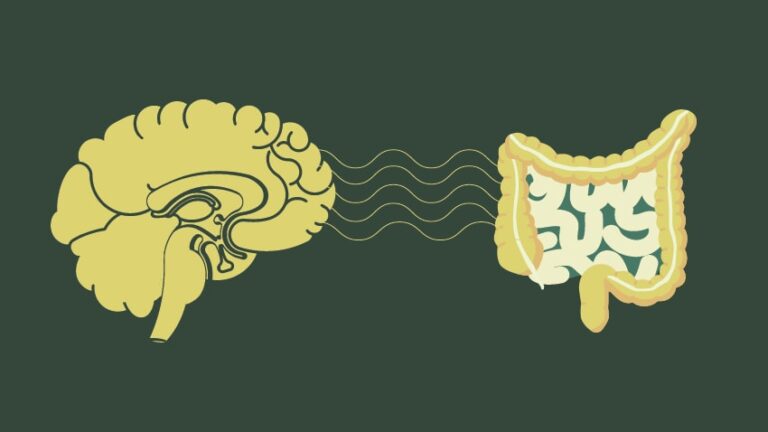
To understand why hypnotherapy is effective for a physical condition like IBD, we must look at the Brain-Gut Axis. Your gut contains the “enteric nervous system,” often called your “second brain.” This system is connected to your head via the vagus nerve, a two-way superhighway for signals.

In IBD, this highway is often congested with “noise.” Stress, even in small amounts, sends signals down the vagus nerve that can increase intestinal permeability (leaky gut) and heighten the sensation of pain.

How Hypnotherapy Rewires the Connection

Gut-directed hypnotherapy doesn’t just “relax” you; it uses specific, targeted suggestions to retrain how your brain interprets signals from your digestive tract.

  1. Lowering the Pain Threshold: By entering a state of focused trance, we can suggest that the brain “filter out” the chronic background noise of intestinal discomfort.
  2. Smoothing Motility: Visualizations are used to regulate the rhythmic contractions of the gut, helping to reduce the “urgency” that many IBD sufferers fear.
  3. Reducing the “Flare Response”: By calming the sympathetic nervous system, we reduce the production of pro-inflammatory cytokines that are often triggered by psychological stress.

What the Research Says

It is important to note that hypnotherapy for IBD is backed by clinical evidence. Studies, including notable research from Gastroenterology journals, have shown that patients who utilize GDH alongside their standard medical care experience:

  • Longer periods of remission between flares.
  • Significant reduction in anxiety and depression related to their condition.
  • Improved sleep quality, which is essential for the body to repair inflamed tissue.

As a specialist in gut-directed hypnotherapy in London, I work as a complement to your gastroenterologist’s care, ensuring a truly multi-disciplinary approach to your health.


What to Expect from a Session at London Hypnotics

If you’ve never experienced clinical hypnotherapy, you might be surprised by how grounded the process is. There are no swinging watches; instead, it is a deeply relaxing, therapeutic experience.

  • Assessment: We discuss your specific triggers, is it a morning commute on the Tube? Or a high-pressure meeting at work?
  • The Induction: I lead you into a state of relaxed focus where your subconscious mind is most receptive.
  • Gut-Specific Imagery: We use metaphors tailored to your symptoms. For some, this is visualizing a cooling, blue mist calming an inflamed colon; for others, it is imagining the digestive system as a smooth-flowing river.
  • Empowerment: I provide you with “self-hypnosis” tools you can use the moment you feel a flare or a wave of anxiety beginning.

Reclaiming Control in London

Living in a fast-paced city like London can be particularly challenging for IBD patients. The stress of travel and the “always-on” culture can exacerbate symptoms. By integrating gut-directed hypnotherapy, you aren’t just treating the symptoms; you are changing your relationship with your body.

You don’t have to be a passenger to your condition. You can take the wheel again.

Frequently Asked Questions About Hypnotherapy for IBD

1. Can hypnotherapy actually cure Crohn’s or Colitis?

While there is currently no known “cure” for IBD, hypnotherapy is a powerful complementary treatment. It focuses on symptom management, reducing the frequency of flares, and improving the psychological impact of the disease. By calming the “brain-gut axis,” many patients find they can achieve longer periods of remission and a higher quality of life.

2. Is gut-directed hypnotherapy the same as “stage hypnosis”?

Not at all. Clinical hypnotherapy is a professional therapeutic process. You remain in complete control at all times; you aren’t “asleep” or under a spell. Instead, you are in a state of focused relaxation, similar to being “lost” in a good book, where your subconscious mind is more open to positive, gut-specific suggestions.

3. How many sessions will I need?

Every individual is different, but for chronic conditions like IBD, most clients see the best results from a protocol of 6 to 12 sessions. This allows us to address the immediate physical symptoms first, followed by the underlying stress triggers that may be contributing to your flares.

4. Does IBD hypnotherapy work if I’m a “skeptic”?

You don’t need to “believe” in hypnosis for it to work. The process relies on the biological connection between your nervous system and your digestive tract. As long as you are willing to participate in the relaxation and visualization exercises, your body can benefit from the shift in your autonomic nervous system.

5. Can I have sessions online or at your London clinic?

Yes, I offer both. Many clients find that having sessions in the comfort of their own home—where they feel closest to their own bathroom facilities, actually helps them relax more deeply. However, for those who prefer an in-person experience, my London-based clinic provides a dedicated, calm space for your recovery.

6. Will this replace my current medication?

No. Gut-directed hypnotherapy should be used as part of a multi-disciplinary approach. You should always follow the advice of your gastroenterologist and continue your prescribed medication. Our goal is to work alongside your medical team to give you the most comprehensive care possible.

About the Author: Antonios Koletsas

Specialist in Gut-Directed Hypnotherapy

Based in the heart of London, I am a clinical hypnotherapist specializing in the powerful intersection of the mind and the digestive system. My practice, London Hypnotics, was founded on the belief that nobody should have to manage the debilitating symptoms of IBD, IBS, or chronic gut distress alone.

With a formal specialization in Gut-Directed Hypnotherapy (GDH), I utilize evidence-based protocols to help clients re-calibrate their brain-gut axis. My approach is compassionate, science-led, and tailored to the unique challenges of living with IBD in a fast-paced urban environment. I work closely with clients to help them move from a state of “flare-up hyper-vigilance” to a state of calm, empowered control.

When I’m not working with clients at my London clinic or via global online sessions, I am dedicated to raising awareness about the efficacy of hypnotherapy in modern gastroenterology.

Clinical References & Further Reading

  • Keefer, L., et al. (2013). Gut-directed hypnotherapy significantly augments clinical remission in quiescent ulcerative colitis. Published in Alimentary Pharmacology & Therapeutics.Key Finding: This study demonstrated that 68% of patients using hypnotherapy maintained clinical remission for a full year, compared to 40% in the control group.
  • Mawdsley, J. E., et al. (2008). The effect of hypnosis on systemic and rectal mucosal measures of inflammation in ulcerative colitis. Published in The American Journal of Gastroenterology.Key Finding: This research showed that a single session of gut-focused hypnosis significantly reduced serum IL-6 (a marker of systemic inflammation) and rectal mucosal inflammatory markers.
  • Szigethy, E. (2015). Hypnotherapy for Inflammatory Bowel Disease Across the Lifespan. Published in the American Journal of Clinical Hypnosis.Key Finding: A comprehensive review showing that hypnotherapy reduces IBD-related inflammation and improves health-related quality of life for both adolescents and adults.
  • British Society of Gastroenterology (2025). BSG Guidelines on the Management of Inflammatory Bowel Disease in Adults. Read the 2025 Guidelines here.Note: These updated UK guidelines highlight the necessity of a multidisciplinary team (MDT), including psychologists and specialists focused on the mind-gut connection.
  • Crohn’s & Colitis Foundation. How Gut-Directed Hypnosis Helps IBS and IBD. Resource Link.

Ready to Take the Next Step?

I offer a free, no-obligation 15-minute consultation to talk through what you are experiencing and whether hypnotherapy could help. Sessions are available in person near Angel, London, or online via Zoom.

Book your free consultation or call 020 7101 3284.

Lifestyle

Beyond Willpower: Why Your 2026 Resolutions Need the Subconscious Mind

Why do 80% of New Year’s resolutions fail by the second week of February?

We all know the pattern. The festive season in London ends, the decorations come down, and we are left with a surge of motivation. We buy the gym membership, we download the meditation app, and we promise ourselves that this year, we will finally get a handle on our stress or diet.

But fast forward to mid-February, and life gets in the way. The grey skies and the busy commute chip away at our energy, and old habits creep back in. We often blame ourselves, thinking we just didn’t have enough discipline.

As a hypnotherapist, I am here to tell you: It is not your fault, and it is not a lack of willpower. It is simply a conflict between your conscious desires and your subconscious programming.

The Iceberg Effect: Understanding Your Mind

To understand why resolutions fail, you have to look at how the mind operates. Think of your mind like an iceberg floating in the ocean.

  • The Tip (10% – The Conscious Mind): This is the part of you reading this blog. It is logical, analytical, and sets goals like “I want to stop snacking on sugar” or “I want to be more confident at work.”
  • The Hidden Mass (90% – The Subconscious Mind): This is where your automatic behaviours, emotional memories, and self-protection mechanisms live. It is the autopilot that drives your life.

When you use willpower, you are using the 10% to fight the 90%. If your subconscious believes that “sugar equals comfort” or “worrying keeps me safe,” it will eventually overpower your conscious logic. This is why “cold turkey” changes rarely last.

How Hypnotherapy Bridges the Gap

Hypnotherapy is the key to accessing that submerged 90%. It allows us to bypass the “Critical Faculty”, the guard at the gate of your mind, and speak directly to the subconscious.

Instead of fighting your instincts, we update them. We use deep relaxation and targeted suggestion to align your deep-seated beliefs with your new goals. When your subconscious wants the same thing as your conscious mind, the struggle disappears. Healthy choices start to feel natural rather than forced.

A Special Note on “Gut Feelings” and Health Goals

One of the most common resolutions I see is the desire to “get healthy” or “fix my digestion” after the indulgences of December. This is close to my heart, as I specialize in gut-directed hypnotherapy.

If you suffer from IBS or digestive issues, you likely know that stress is a major trigger. No amount of strict dieting will fix a sensitive gut if your nervous system is constantly in “fight or flight” mode.

  • The Resolution: “I will go on a strict diet.”
  • The Reality: The stress of the strict diet triggers the gut, causing more bloating and discomfort.
  • The Hypnotherapy Approach: We teach the gut-brain axis to relax. We visualize the digestive system functioning smoothly. By lowering the internal stress response, we often see a significant reduction in physical symptoms, allowing you to enjoy food without fear in 2026.

3 Ways to Prime Your Mind for Success

You don’t have to wait for your first session to start shifting your mindset. Here are three techniques to help your resolutions stick:

  1. Focus on the “Why,” Not the “What”: Don’t just write down “Lose weight.” Close your eyes and visualize how you will feel when you achieve it. Imagine the energy you’ll have walking through the park, or how your clothes will fit. The subconscious speaks the language of images and feelings, not words.
  2. Phrase Goals in the Present Tense: Avoid saying “I will be calm.” This puts the goal in the future, just out of reach. Instead, tell yourself, “I am becoming calmer every day.” This trains the brain to accept this as your current reality.
  3. Start Before January 1st: There is no magic in the date. By starting to visualize your success now, you remove the pressure of the “big day” and start the year with momentum.

Make 2026 Your Year of Lasting Change

If you are based in London and are tired of the annual cycle of setting goals and abandoning them, let’s try a different approach.

At London Hypnotics, I help clients rewire the habits that hold them back, whether that’s soothing a troubled gut, managing anxiety, or building confidence. Let’s work together to make your 2026 resolutions the ones that finally stick.


Ready to Take the Next Step?

I offer a free, no-obligation 15-minute consultation to talk through what you are experiencing and whether hypnotherapy could help. Sessions are available in person near Angel, London, or online via Zoom.

Book your free consultation or call 020 7101 3284.

Online hypnotherapy photo
Health

Online Hypnotherapy: Top 10 tips for a successful trance experience.

After pandemic the world has changed dramatically when it comes to work, how we work and the type of work we provide. My job was one of those that had dramatic change, but luckily for the better. During pandemic mental health crisis was at a skyrocket high and most people who had their lives changed overnight found it difficult to come. This is when most of my clients begun to seek for treatments for anxiety and panic attacks. Online Hypnotherapy was not something new until then, however little that I know, my whole job would emerge fully to an online platform.

At first I decided to test it with some of my friends because I didn’t know if this was effective treatment as it is in person, to my surprise, all of the subjects who decided to take part on my experiment reported significant results on their anxiety levels being stabilized and reduced following treatment from online Hypnotherapy. That gave me the confidence to continue and advertise my services being fully online. Following months of trials with various difference clients I found the perfect way to make someones experience as effective as it could be.

So here I have gathered my top 10 tips of how to make Online Hypnotherapy as effective as you can to gain the most of this amazing treatment.

1. Prepare a Quiet, Private Space

Choose a room where you will not be disturbed during your session, and inform others in your household to respect your privacy.

2. Test Your Technology Early

Check your internet connection, camera, and microphone before the session, and keep your device charged or plugged in.

​

3. Eliminate Distractions

Silence your phone and notifications, close unnecessary tabs or apps, and set pets or other potential distractions outside your session area.

​

4. Use Comfortable Seating

Sit in a comfortable chair or lie down on a couch or recliner where you can completely relax your body.

​

5. Dress Comfortably

Wear clothing that helps you feel relaxed and at ease for the duration of the session.

​

6. Be Punctual

Log on a few minutes early to settle in, relax, and avoid feeling rushed at the start of your session.

​

7. Have Water Nearby

Keep a glass of water within reach, and use the restroom before your session starts.

​

8. Be Honest and Open with Your Therapist

Share relevant information, emotions, or concerns so your therapist can tailor the session to your needs.

​

9. Commit to the Process

Approach your session with an open mind and willingness to participate fully, even if hypnosis is new to you.

​

10. Set an Intention

Clarify your main goal for each session with your therapist so your focus and motivation remain clear throughout.


Ready to Take the Next Step?

I offer a free, no-obligation 15-minute consultation to talk through what you are experiencing and whether hypnotherapy could help. Sessions are available in person near Angel, London, or online via Zoom.

Book your free consultation or call 020 7101 3284.

Health

Is Hypnotherapy Safe?

Is Hypnotherapy Safe? What Science and Experience Say

At London Hypnotics, we understand that safety is a top concern when exploring new therapies. Hypnotherapy often sparks curiosity—and sometimes skepticism. So let’s clear up the facts.

What Is Hypnotherapy?

Hypnotherapy is a therapeutic technique that uses guided relaxation and focused attention to help clients access their subconscious mind. It’s used to address anxiety, habits, stress, and more—always with the client in control.

Is Hypnotherapy Safe?

Yes—when practiced by a qualified professional, hypnotherapy is considered safe and non-invasive. Clients remain aware, responsive, and in control throughout the session. There is no “mind control” or forced behavior.

Key Safety Facts:

  • No loss of consciousness: You remain alert and aware.
  • No manipulation: Hypnotherapy is collaborative, not coercive.
  • Backed by research: Studies show hypnotherapy is safe and effective for anxiety, pain, and habits.

Common Misconceptions

Let’s debunk a few myths:

  • “I’ll be asleep.” — You’re in a relaxed but alert state.
  • “I’ll reveal secrets.” — You control what you say and do.
  • “It’s dangerous.” — There’s no evidence of harm when practiced ethically.

Hypnotherapy in London: Safe, Ethical, Professional

At London Hypnotics, we follow strict ethical guidelines and tailor each session to your needs. Whether you’re seeking help with anxiety, smoking cessation, or confidence building, your safety and comfort are our top priorities.


Ready to Take the Next Step?

I offer a free, no-obligation 15-minute consultation to talk through what you are experiencing and whether hypnotherapy could help. Sessions are available in person near Angel, London, or online via Zoom.

Book your free consultation or call 020 7101 3284.

Chronic Pain Hypnotherapy
Health

Hypnotherapy for Chronic Pain: How Changing the Brain’s Response Can Change Your Life

Chronic pain is one of the most isolating conditions I work with. Not because the people suffering from it are alone — millions of people in the UK live with persistent pain — but because of how poorly it is understood, even by those closest to them.

Clients who come to me with chronic pain have usually been through the medical system thoroughly. They’ve had scans. They’ve tried medication. Some have had procedures or surgery. Many have been told there is nothing structurally wrong, which is confusing and sometimes devastating to hear when the pain is so clearly real.

What I want to explain in this article is why that finding — “nothing structurally wrong” — is not the end of the story. It’s actually a doorway. Because it points toward what is driving the pain, and that changes what can be done about it.

Chronic Pain Hypnotherapy

Pain Is Not Simply a Signal From a Damaged Body Part

This is the single most important thing I want chronic pain sufferers to understand, because it reframes everything.

Pain is not just a signal that travels from an injured area to the brain. It is the brain’s output — a protective response generated when the brain concludes that the body is under threat. The brain takes in information from the nervous system, cross-references it with past experience, emotional state, stress levels, and context, and then decides how much pain to produce.

This is why two people with identical spinal MRI results can have completely different pain experiences. It’s why pain often persists long after tissue healing is complete. And it’s why stress, anxiety, poor sleep, and low mood reliably make pain worse — they are all inputs the brain uses when generating its pain output.

In chronic pain, the brain has essentially become oversensitive — a process called central sensitisation. The nervous system has been in high-alert mode for so long that it begins amplifying signals that wouldn’t normally register as painful. The volume has been turned up, and ordinary movement or sensation gets interpreted as threat.

Understanding this is not about saying the pain is ‘all in your head’ — a phrase that is both inaccurate and unhelpful. It is about recognising where the pain is actually being generated, so we can address it there.

Why Hypnotherapy Is Particularly Well Suited to Chronic Pain

Because chronic pain is maintained largely in the brain and nervous system rather than solely in the tissue, approaches that work directly with the brain have a genuine advantage. Hypnotherapy is one of them.

The evidence base is substantial. Research by Rainville et al. (1997) demonstrated that hypnotic suggestion changes activity in the anterior cingulate cortex — the brain region responsible for the emotional and suffering component of pain. A 2016 meta-analysis published in Neuroscience & Biobehavioral Reviews found that hypnosis significantly reduces both clinical and experimental pain across a wide range of conditions. The American Psychological Association recognises hypnosis as effective for pain management.

In practical terms, hypnotherapy addresses chronic pain through several interconnected mechanisms.

Directly modifying pain perception

In the deeply relaxed and receptive state of hypnosis, the brain becomes open to suggestions that change how it interprets pain signals. I use specific techniques — including glove anaesthesia, pain transformation, and dissociation — to alter the quality, intensity, or location of pain. Clients frequently describe pain as dimmer, further away, or changed in character after a session. With repetition, these changes become more durable.

Calming the sensitised nervous system

The hypnotic state activates the parasympathetic nervous system — the body’s rest and recovery mode. For people living with chronic pain, whose nervous systems are frequently stuck in a state of high alert, this activation is itself therapeutic. Regular access to deep parasympathetic states begins to recalibrate the baseline, gradually turning down the volume at which the nervous system operates.

Breaking the pain-stress-pain cycle

Chronic pain and stress feed each other in a well-documented cycle. Pain causes stress and anxiety, which elevates cortisol, which sensitises the nervous system further, which amplifies pain, which causes more stress. Hypnotherapy interrupts this cycle at multiple points — by reducing anxiety, lowering stress hormones, and changing the emotional response to pain. Many clients find that as their anxiety about the pain reduces, the pain itself becomes more manageable even before we have directly targeted the sensation.

Addressing the psychological weight of chronic pain

Living with pain for months or years takes a significant psychological toll. Feelings of grief for the life you had before, frustration at not being believed, fear about the future, and a gradual withdrawal from activities you used to enjoy — these are all common, and they all feed back into the pain experience. Hypnotherapy gives space to process this psychological dimension, which is rarely addressed in medical pain management.

Conditions I Work With Most Frequently

Chronic pain presents in many different forms. The following are conditions I have specific experience working with in my London practice:

  • Fibromyalgia — widespread musculoskeletal pain with no clear structural cause, often accompanied by fatigue and sleep disturbance
  • Chronic back and neck pain — particularly where imaging has shown no significant abnormality or where pain persists after structural issues have been treated
  • Headaches and migraines — where stress and nervous system sensitisation are significant drivers
  • IBS and functional gut pain — gut-directed hypnotherapy has a strong evidence base specifically for this
  • Post-surgical pain — where pain continues after the surgical site has healed
  • Complex Regional Pain Syndrome (CRPS) — a condition that exemplifies central sensitisation and can respond well to mind-body approaches

I always work collaboratively with clients’ GPs and other treating clinicians. Hypnotherapy is a complement to medical care, not a replacement for it.

What Clients Can Expect From Treatment

The first session is always a thorough consultation. I want to understand the full history — when the pain began, what makes it better or worse, what treatments have been tried, how it affects daily life, and what the person actually wants their life to look like. This shapes everything that follows.

For chronic pain, I typically recommend a minimum of 6 sessions, with 8 being a more realistic target for longer-standing conditions. Unlike acute issues, chronic pain has usually been reinforced over a long period, and the nervous system needs consistent, repeated input to recalibrate.

Between sessions, I provide a personalised audio recording for daily use. This is an important part of the process — the more regularly clients practise, the faster the nervous system begins to shift. I also teach self-hypnosis techniques that can be used during flare-ups or difficult moments.

Progress with chronic pain is rarely linear. Some clients notice a meaningful reduction in pain within the first few sessions. Others experience the psychological benefits first — better sleep, reduced anxiety, a greater sense of control — and the physical changes follow. I set realistic expectations from the start, because false promises do not serve people who have already been through a lot.

Frequently Asked Questions

Can hypnotherapy cure chronic pain?

I’m cautious about the word ‘cure’, and I think any practitioner who uses it freely around chronic pain should be approached carefully. What hypnotherapy can do is significantly reduce pain intensity, improve your ability to manage flare-ups, break the anxiety-pain cycle, and restore quality of life. For some clients the improvement is dramatic. For others it is more gradual. The goal is always meaningful, sustainable progress rather than a promise I can’t keep.

Will I have to stop my other pain treatments?

No. Hypnotherapy works alongside medication, physiotherapy, pain management programmes, and other treatments. I always ask clients to keep their GP informed and never advise stopping prescribed medication. The approaches are complementary.

What if I’ve had pain for many years — is it too late?

No. The brain retains its capacity for change — neuroplasticity — regardless of how long a pattern has been established. Longer-standing conditions may require more sessions and more patience, but I have worked successfully with clients who have lived with chronic pain for a decade or more. Duration does not determine outcome.

Is online hypnotherapy as effective for pain?

Yes, in my experience. The hypnotic state can be achieved just as effectively online, and for clients with pain conditions that make travel difficult or tiring, working from home is often the more practical and comfortable option. Many of my chronic pain clients work with me online.

My doctor is sceptical about hypnotherapy. What should I tell them?

The evidence base for hypnotherapy in pain management is well-established and published in peer-reviewed journals. The American Psychological Association endorses it. NICE guidelines reference it for IBS. If your GP would like to know more, I am always happy to be contacted directly. I take collaborative care seriously and am comfortable communicating with other clinicians.

Living With Pain Is Not the Only Option

If you’ve been managing chronic pain for months or years, and you’re looking for an approach that works at the level where the pain is actually being generated, I’d welcome a conversation.

I offer a free initial phone consultation so we can talk through your specific situation, your history, and whether hypnotherapy is a good fit. There is no obligation, and I will always be honest with you about what is realistic.

Sessions are available in person at 364 City Road, London EC1V 2PY, and online for clients across the UK. Call 020 7101 3284 or book via the link below.

→ Book your free consultation

About the Author

Antonios Koletsas is a clinical hypnotherapist based in London, registered with the General Hypnotherapy Standards Council (GHSC) and the General Hypnotherapy Register (GHR). He has worked with chronic pain clients at his City Road practice and online across the UK, specialising in conditions including fibromyalgia, IBS, persistent back pain, and CRPS.

Clinical References

Rainville, P. et al. (1997). Pain affect encoded in human anterior cingulate but not somatosensory cortex. Science, 277(5328), 968–971.

Jensen, M.P. & Patterson, D.R. (2014). Hypnotic approaches for chronic pain management. American Psychologist, 69(2), 167–177.

Milling, L.S. et al. (2021). Hypnosis and pain: Mechanisms, applications, and efficacy. Neuroscience & Biobehavioral Reviews, 123, 120–132.

American Psychological Association. (2019). Hypnosis for the relief and control of pain. APA Division 30, Psychological Hypnosis.

Moseley, G.L. & Butler, D.S. (2015). Fifteen years of explaining pain: The past, present, and future. Journal of Pain, 16(9), 807–813.

gut directed hypnotherapy
Health

Hypnotherapy for IBS: Does It Work? A Specialist’s Guide

If you live with irritable bowel syndrome, you have probably tried a lot already: cutting out foods, the low FODMAP diet, probiotics, fibre supplements, antispasmodics. For many people these help a little, but the pain, bloating and unpredictability keep coming back, often at the worst possible moments. That is usually when people start asking whether hypnotherapy could help.

It is a fair question, and the answer surprises many people: gut-directed hypnotherapy is one of the best-researched psychological treatments for IBS, with evidence going back more than 40 years. In this guide I explain why it works, what the research shows, what treatment involves, and how it fits alongside your medical care.

Why IBS Is About More Than Your Gut

IBS is now classed as a disorder of gut-brain interaction. Your gut and brain are in constant two-way communication through the vagus nerve, hormones and the immune system, a network known as the gut-brain axis. In IBS, that communication becomes oversensitive in two main ways.

Visceral hypersensitivity. The nerves in the gut send pain signals to the brain more readily than they should, so normal amounts of gas or movement register as cramping, pressure or pain.

Disrupted motility. Stress signals from the brain can speed up or slow down how the gut moves, contributing to urgency and diarrhoea, constipation, or both.

This is why IBS so often flares during stressful periods even when your diet has not changed, and why diet alone rarely resolves it completely. It also explains the strong link between IBS and anxiety: the same pathway carries signals in both directions, so gut symptoms fuel worry, and worry makes the gut more reactive.

What Is Gut-Directed Hypnotherapy?

Gut-directed hypnotherapy is a specific, structured form of hypnotherapy developed for IBS. You are guided into a deeply relaxed, focused state, and then suggestion and imagery are used to calm the gut directly: soothing its sensitivity, encouraging a more comfortable rhythm, and reducing the nervous system’s overreaction to normal digestive activity.

It is not about telling you the problem is “in your head”. IBS symptoms are real and physical. Gut-directed hypnotherapy works because it targets the communication pathway between gut and brain that keeps those symptoms going. You remain aware and in control throughout, and most people find the sessions deeply calming. You can read more on my gut-directed hypnotherapy page.

What the Research Says

Gut-directed hypnotherapy has one of the strongest evidence bases of any psychological treatment for IBS.

  • The original trial. In 1984, Professor Peter Whorwell and colleagues in Manchester published a controlled trial in The Lancet showing that hypnotherapy substantially improved symptoms in people with severe IBS who had not responded to other treatments.
  • Long-lasting benefits. A follow-up study of 204 patients found that 71% responded to hypnotherapy, and of those, 81% maintained their improvement for up to five years or more. Patients also reported fewer GP consultations and less medication use afterwards (Gonsalkorale et al., 2003).
  • As effective as the low FODMAP diet. A 2016 randomised trial found that gut-directed hypnotherapy reduced IBS symptoms as effectively as the low FODMAP diet (Peters et al., 2016), without the need for long-term food restriction.
  • Recognised in UK guidelines. NICE guidance on IBS recommends considering psychological interventions, including hypnotherapy, for people whose symptoms have not responded to medication after 12 months.

Not everyone responds, and hypnotherapy is not a cure for IBS. But for many people it brings meaningful, lasting relief where other approaches have only partly helped.

What Can It Help With?

Gut-directed hypnotherapy can help with abdominal pain, bloating, urgency and irregular bowel habits, as well as the anxiety that so often builds around them: worrying about where the nearest toilet is, avoiding social plans, or fearing a flare-up before travel or work. I have written in more detail about specific presentations:

What Treatment Involves

We start with a free 15-minute call to talk through your symptoms and whether this approach is right for you. Your first session includes a detailed assessment of your IBS: its history, your main symptoms, your triggers, and how it affects your daily life.

Gut-directed hypnotherapy works best as a structured course. Most programmes run over six to twelve sessions, usually weekly, which mirrors the approach used in the clinical research. Many people notice changes within the first few sessions, while for others the improvement builds steadily over the course. You also receive recordings and self-hypnosis techniques to practise at home, which is an important part of lasting change.

Hypnotherapy also combines well with dietary approaches. If you are exploring food triggers, you may find my articles on the best foods for IBS and foods to avoid helpful.

Please See Your GP First

If you have not yet had a diagnosis, please see your GP before starting hypnotherapy, so that other conditions such as coeliac disease or inflammatory bowel disease can be ruled out. Seek medical advice promptly if you notice bleeding from your bottom, unexplained weight loss, or a persistent change in bowel habits, particularly if you are over 50. Hypnotherapy works alongside your medical care, not instead of it.

Frequently Asked Questions

Does hypnotherapy work for IBS? For many people, yes. Gut-directed hypnotherapy has decades of research behind it, including long-term follow-up studies showing that most people who respond keep their improvement for years.

How many sessions will I need? Most of my IBS clients complete a course of six to eight sessions. I will give you a clearer idea after your initial assessment.

Do I have to change my diet? No. Hypnotherapy works on gut-brain signalling rather than on food itself, although many people choose to combine it with dietary changes.

Can I have gut-directed hypnotherapy online? Yes. Online sessions follow the same structure as in-person sessions and many of my IBS clients work with me via Zoom.

Can my doctor refer me? GPs and gastroenterologists can refer patients directly. You can find details on my referrals page.

Is gut-directed hypnotherapy available on the NHS? Some NHS gastroenterology departments offer it, but availability varies by area and there are often long waiting lists and strict referral criteria. Private sessions let you start sooner, in person or online. Read more in my guide to hypnotherapy on the NHS in London.

In Person in London or Online

I see clients in person at 364 City Road, London EC1V 2PY, a short walk from Angel and Old Street stations, and online anywhere in the UK and abroad. You can find out more about my IBS hypnotherapy in London, or read about my own experience of IBS.


Ready to Take the Next Step?

If IBS has been controlling your plans, your meals or your confidence, you do not have to keep working around it. I offer a free, no-obligation 15-minute consultation to talk through your symptoms and whether gut-directed hypnotherapy could help.

Book your free consultation or call 020 7101 3284.

References

  1. Whorwell, P. J., Prior, A. & Faragher, E. B. (1984). Controlled trial of hypnotherapy in the treatment of severe refractory irritable-bowel syndrome. The Lancet, 2(8414), 1232-1234. https://pubmed.ncbi.nlm.nih.gov/6150275/
  2. Gonsalkorale, W. M., Miller, V., Afzal, A. & Whorwell, P. J. (2003). Long term benefits of hypnotherapy for irritable bowel syndrome. Gut, 52(11), 1623-1629. https://pubmed.ncbi.nlm.nih.gov/14570733/
  3. Peters, S. L., Yao, C. K., Philpott, H., et al. (2016). Randomised clinical trial: the efficacy of gut-directed hypnotherapy is similar to that of the low FODMAP diet for the treatment of irritable bowel syndrome. Alimentary Pharmacology & Therapeutics, 44(5), 447-459. https://pubmed.ncbi.nlm.nih.gov/27397586/
  4. National Institute for Health and Care Excellence (NICE). Irritable bowel syndrome in adults: diagnosis and management (CG61). https://www.nice.org.uk/guidance/cg61
Lifestyle

The August Blues – Why They Happen and How Hypnotherapy in London Can Help

At first glance, August should be the happiest month of the year. London parks are full of life, holiday plans are in full swing, and the evenings are still warm and light. Yet, for many people, August brings an unexpected emotional dip known as the August Blues.

Instead of feeling energised, they report sadness, irritability, lack of motivation, or a vague sense of emptiness. If this sounds familiar, you’re not alone—and there’s a reason it happens.

As a hypnotherapist in London who works with clients facing anxiety, stress, and seasonal mood changes, I see the August Blues as a perfect example of how the brain and body connection influences emotional health.

Picture by Freepik

Why Do People in London Experience the August Blues?

1. The Transition Effect

August is a bridge between two worlds: the relaxed flow of summer and the structured pace of autumn. Even without a school timetable, the “back to school” mentality is deeply rooted in our culture. In a busy city like London—where September often means faster commutes, packed schedules, and rising workloads—this shift can trigger a subtle stress response.

2. End-of-Summer Reflection

London summers often come with a list of hopes: more time outdoors, weekend trips, and social gatherings. When August arrives, we may realise we haven’t ticked off everything, leading to disappointment or self-criticism.

3. Social Comparison Pressure

Scrolling through Instagram in August can feel like watching everyone else enjoy dream holidays in Greece or Spain while you’re stuck in the office. Even when we know these are curated snapshots, our subconscious still compares—and often leaves us feeling left out.

4. Physiological Shifts

Although August days are still long, the evenings are subtly shorter. This shift affects your body’s circadian rhythm, which in turn influences mood-regulating chemicals like serotonin and melatonin. For some, this is enough to trigger low mood, especially if combined with disrupted sleep from hot nights.

5. Emotional Fatigue

Many Londoners have been running on adrenaline for months—juggling work, commuting, social events, and family life. By August, the body may finally be signalling that it’s time to slow down. This can feel like exhaustion, demotivation, or mild burnout.


The Mind-Body Connection in Seasonal Mood Changes

What we think affects how we feel physically, and how our body feels influences our thoughts. Low mood affects posture, breathing, and muscle tension, which then feed back into emotional heaviness.

Hypnotherapy is particularly effective here because it works at the level of the subconscious mind—calming the nervous system, breaking unhelpful thought patterns, and reintroducing positive emotional states that feel authentic.


How Hypnotherapy in London Can Help with the August Blues

At London Hypnotics, I use clinical hypnotherapy to help clients shift their mindset, release anxiety, and reconnect with motivation. For the August Blues, hypnotherapy can:

  • Reduce anxiety about change – Turning seasonal transitions into opportunities instead of threats.
  • Reframe negative thinking – Focusing on what’s been achieved rather than what hasn’t.
  • Boost emotional energy – Reigniting motivation for the months ahead.
  • Restore work-life balance – Helping you feel productive without burning out.
  • Increase seasonal resilience – So that mood remains stable year-round.

A Simple Self-Hypnosis Technique You Can Try at Home

If you’re feeling the August Blues, try this short exercise:

  1. Find a quiet space and sit comfortably.
  2. Close your eyes and take three slow, deep breaths.
  3. Visualise a calming late-summer scene—perhaps a London park at sunset, with golden light through the trees.
  4. Breathe in the colours, sounds, and feelings of this scene, letting them spread through your body.
  5. Repeat silently: “I am calm, energised, and ready for the next chapter.”
  6. Open your eyes slowly and return to the present moment.

This is just a small taste—working with a trained hypnotherapist can help you anchor these feelings deeply, so they become part of your natural emotional state.


At a glance

The August Blues are not a personal failing—they’re a natural response to change, reflection, and the shifting rhythms of the year. With the right tools, they can be transformed into a period of renewal and motivation.

If you’re experiencing low mood, anxiety, or stress this August, hypnotherapy at London Hypnotics, 364 City Road, London, could help you move forward with clarity and confidence.


References:

  • Lam, R. W., Levitt, A. J., & Levitan, R. D. (2006). The August Blues and Seasonal Changes in Mood. Journal of Affective Disorders, 94(1–3), 85–90.
  • Thompson, R., & Bishop, S. (2012). Seasonal affective changes and their psychosocial impact. British Journal of Psychology, 103(1), 27–45.
  • Spiegel, H., & Spiegel, D. (2004). Trance and Treatment: Clinical Uses of Hypnosis. American Psychiatric Publishing.
  • Davidson, R. J., & McEwen, B. S. (2012). Social influences on neuroplasticity: Stress and interventions to promote well-being. Nature Neuroscience, 15(5), 689–695.

Ready to Take the Next Step?

I offer a free, no-obligation 15-minute consultation to talk through what you are experiencing and whether hypnotherapy could help. Sessions are available in person near Angel, London, or online via Zoom.

Book your free consultation or call 020 7101 3284.

Neuroplasticity Hypnotherapy
Lifestyle

Neuroplasticity and Hypnotherapy: What the Science Says — And What I See in My Practice

One of the most common things clients say to me early in our work together is some version of: “I’ve always been like this.” Always anxious. Always a worrier. Always someone who freezes under pressure or struggles to feel good enough.

I understand why people feel that way. When a pattern has been running for ten, twenty, or thirty years, it genuinely feels like part of who you are. But one of the things that drew me to hypnotherapy — and has kept me in this field — is the neuroscience that sits behind it. Because the brain doesn’t work the way most people think it does.

In this article, I want to explain the concept of neuroplasticity, what the research shows about how hypnosis affects the brain, and — most importantly — what this means practically for people who feel stuck in patterns they can’t seem to change.

Neuroplasticity Hypnotherapy

What Neuroplasticity Actually Means

For most of the twentieth century, the prevailing view in neuroscience was that the adult brain was essentially fixed. You were born with a certain number of neurons, and the connections between them were more or less set by early adulthood. Change was considered limited.

We now know this was wrong. The brain remains plastic — capable of forming new connections, strengthening existing ones, and weakening pathways that are no longer used — throughout life. This is neuroplasticity, and it has profound implications for anyone working with mental health, behaviour change, or chronic conditions.

The phrase “neurons that fire together wire together” captures the mechanism. Every time you think a thought, feel an emotion, or repeat a behaviour, the neural pathway associated with it is reinforced. Anxiety, avoidance, negative self-talk, chronic pain responses — these are all, at a neurological level, well-worn pathways. Heavily used roads in the brain’s network.

The implication is significant: those roads can be redirected. Not instantly, and not without the right conditions — but genuinely and durably. This is not positive thinking. It is biology.

Why Hypnotherapy Creates Ideal Conditions for Neural Change

Neuroplasticity is always happening to some degree — the brain is constantly updating. But not all mental states are equally conducive to deep, lasting change. This is where hypnotherapy has something specific to offer.

During hypnosis, the brain shifts from the fast beta waves associated with active, analytical thinking into slower alpha and theta waves — states associated with deep relaxation, heightened focus, and increased receptivity. Research by Gruzelier (2002) demonstrated these brainwave shifts clearly, and subsequent neuroimaging studies have mapped what else changes.

Several findings are particularly relevant to understanding why hypnotherapy works:

The default mode network quietens

The default mode network (DMN) is the brain system associated with self-referential thinking — the mental chatter, rumination, and self-criticism that occupies so much of our waking mental life. Research by McGeown et al. (2009) showed that DMN activity reduces significantly during hypnosis. For clients whose patterns are maintained by relentless overthinking, this reduction creates a window that is genuinely difficult to access through conscious effort alone.

The prefrontal cortex and insula communicate more effectively

fMRI studies (Hoeft et al., 2012) have shown that hypnosis enhances connectivity between the prefrontal cortex — responsible for executive function, decision-making, and self-regulation — and the insula, which processes bodily awareness and emotional experience. In practical terms, this means clients in hypnosis have better access to the parts of the brain needed to regulate their responses and integrate new patterns.

Pain and discomfort signals are processed differently

Research by Rainville et al. (1997) and Jensen et al. (2006) demonstrated that hypnosis changes activity in the somatosensory cortex and anterior cingulate cortex — areas involved in processing pain and physical discomfort. This is why gut-directed hypnotherapy is effective for IBS, and why hypnotherapy has a genuine evidence base for chronic pain management. The brain’s interpretation of those signals genuinely changes.

What This Looks Like in Practice: Three Areas I Work With Regularly

Understanding the neuroscience is useful, but what matters to most of my clients is what it means for their actual lives. Here are three areas where I see the neuroplasticity mechanism at work most clearly.

Anxiety and habitual fear responses

Anxiety is, neurologically, a well-practised prediction. The brain has learned — through repetition, often originating in earlier experiences — to anticipate threat in certain situations. The amygdala fires, cortisol rises, and the body responds before the conscious mind has even processed what’s happening.

In hypnotherapy, we access the subconscious where that prediction is stored and begin to update it. Through guided visualisation and suggestion in the hypnotic state, the brain rehearses a different response — calm, regulated, in control. With repetition across sessions, this rehearsal begins to compete with and eventually replace the old automatic response. Clients often describe it as the anxiety still being technically present, but losing its grip.

Chronic pain and gut symptoms

Pain is not simply a signal from a damaged area of the body. It is the brain’s interpretation of signals — and that interpretation can be modified. For clients with chronic pain conditions or IBS, the brain has often become hypersensitive, amplifying signals that would not register as painful in a non-sensitised nervous system.

Gut-directed hypnotherapy — developed originally by Professor Peter Whorwell and now supported by substantial clinical evidence — works precisely through this mechanism. By calming the gut-brain axis and reducing the brain’s amplification of gut signals, symptoms frequently reduce significantly. NICE guidelines now recognise gut-directed hypnotherapy as a valid treatment option for IBS.

Deeply held limiting beliefs

Beliefs about worthiness, capability, safety, and identity are among the most entrenched neural patterns people carry. They form early, they’re reinforced constantly, and they operate automatically — which is why intellectual insight alone rarely changes them. Understanding that you’re not ‘actually’ worthless doesn’t stop you feeling that way when it matters.

Hypnotherapy addresses this by working at the level where the belief actually lives — the subconscious. The reduced DMN activity and increased receptivity of the hypnotic state allow new, more accurate beliefs to be installed without hitting the wall of conscious resistance. Over sessions, clients begin to notice the old belief losing its automatic authority.

An Important Clarification: What Hypnotherapy Is Not

The neuroscience can make hypnotherapy sound almost magical, so I want to be clear about what it is and isn’t.

It is not a passive process where change is done to you while you’re unconscious. You remain aware throughout every session. It is a collaborative process — I create the conditions, guide the process, and apply the therapeutic techniques, but the change happens because your brain does the work. My clients are active participants, not passengers.

It is also not a single-session fix for deep-rooted patterns. Neuroplasticity works through repetition. New pathways need to be reinforced. This is why I provide personalised audio recordings for clients to use between sessions, and why I recommend a realistic course of treatment rather than promising transformation in one sitting.

Frequently Asked Questions

Can the brain really change at my age?

Yes. Neuroplasticity continues throughout life, though the rate of change can vary. Some of the most meaningful shifts I’ve seen in practice have been with clients in their 50s and 60s. The brain’s capacity for change doesn’t disappear with age — it may require more repetition, but it remains.

How is this different from CBT?

CBT works at the level of conscious thought patterns and is highly effective for many people. Hypnotherapy goes deeper, working with the subconscious patterns that often drive conscious thoughts in the first place. The two approaches are complementary — I work with a number of clients who are also seeing CBT therapists, and the combination can be very powerful.

How many sessions does neural change require?

It depends on the depth and age of the pattern. For anxiety and stress, clients typically notice meaningful change within 3 to 5 sessions. For more deeply embedded beliefs or longer-standing conditions, 6 to 8 sessions is more realistic. I always give an honest assessment after the initial consultation.

Do the changes last?

When the work is done properly, and the new patterns are reinforced through practice between sessions, yes — the changes are durable. The neural pathway has genuinely been modified, not just temporarily suppressed. That said, life is ongoing, and some clients return for a session or two during particularly challenging periods, which I think of as maintenance rather than starting over.

Ready to Explore What’s Possible?

If you’ve read this far, you’re probably someone who wants to understand how things work before committing to them. I respect that. The science behind hypnotherapy and neuroplasticity is genuinely robust — and my experience working with clients in London over the years has only strengthened my confidence in what this approach can do.

If you’d like to talk through your specific situation and whether hypnotherapy is a good fit, I offer a free initial phone consultation. There’s no obligation, and I’ll always tell you honestly if I think something else would serve you better.

My practice is at 364 City Road, London EC1V 2PY. I also work online with clients across the UK. Call 020 7101 3284 or book via the link below.

→ Book your free consultation

About the Author

Antonios Koletsas is a clinical hypnotherapist based in London, registered with the General Hypnotherapy Standards Council (GHSC) and the General Hypnotherapy Register (GHR). He specialises in anxiety, stress, chronic pain, IBS, and confidence work, seeing clients in person at his City Road practice and online across the UK.

References

Doidge, N. (2007). The Brain That Changes Itself. Penguin.

Montgomery, G. H., et al. (2000). “The effectiveness of hypnosis as an adjunct to cognitive-behavioral therapy for pain.” Journal of Consulting and Clinical Psychology, 68(1), 16–25. https://doi.org/10.1037/0022-006X.68.1.16

Whorwell, P. J., Prior, A., & Faragher, E. B. (1984). “Controlled trial of hypnotherapy in the treatment of severe refractory irritable-bowel syndrome.” Gastroenterology, 86(6), 1662–1667. https://doi.org/10.1016/0016-5085(84)90013-9

Miller, V., & Whorwell, P. J. (2008). “Hypnotherapy for functional gastrointestinal disorders: A review.” International Journal of Clinical and Experimental Hypnosis, 56(3), 279–292. https://doi.org/10.1080/00207140802070908

Hammond, D. C. (2010). “Hypnosis in the treatment of anxiety and stress-related disorders.” Journal of Bodywork and Movement Therapies, 14(2), 134–140. https://doi.org/10.1016/j.jbmt.2009.10.006

Jensen, M. P., et al. (2006). “Hypnosis for chronic pain management: A new hope.” Pain, 123(1-2), 195–196. https://doi.org/10.1016/j.pain.2006.06.019

Alladin, A., & Alibhai, A. (2007). “Cognitive hypnotherapy for depression: An empirical investigation.” International Journal of Clinical and Experimental Hypnosis, 55(2), 147–166. https://doi.org/10.1080/00207140601177939

Confidence Hypnotherapy
Health, Wellness

How Hypnotherapy Builds Unshakable Confidence: A London Hypnotherapist’s Perspective

In over a decade of working with clients at my London practice, one theme comes up again and again: people who appear confident on the outside are often battling a relentless inner critic. They’ve read the self-help books. They’ve tried affirmations. Some have even done years of talking therapy. And yet the doubt persists.

That’s because most approaches to confidence work at the conscious level — the 5% of the mind we can reason with. Hypnotherapy works differently. It speaks directly to the subconscious, where the beliefs driving your self-doubt actually live.

In this article, I want to share what I’ve observed working with real clients in London, explain the psychology behind why low confidence is so stubborn, and show you exactly how hypnotherapy changes things — not just temporarily, but at a deep, lasting level.

Confidence

Why Low Self-Esteem Is Not “All in Your Head”

That phrase gets it backwards. Low self-esteem is

Exactly in your head — specifically, embedded in the subconscious mind as a belief system formed during childhood and reinforced over years.

When a child is repeatedly told they’re not smart enough, not good enough, or simply not seen and valued, the subconscious mind files this away as truth. By adulthood, these beliefs operate automatically — showing up as hesitation before speaking in meetings, shrinking in social situations, or an inability to accept a compliment without deflecting.

Common signs I see in clients with low self-esteem:

  • Dismissing their own achievements (“I just got lucky”)
  • Catastrophising small mistakes into proof of inadequacy
  • Seeking constant reassurance from others
  • Avoiding opportunities for fear of failure or judgment
  • A persistent feeling of being an impostor, even in areas they excel

These patterns are not character flaws. They are learned responses. And what is learned can be unlearned.

What Hypnotherapy Actually Does (From Someone Who Practises It)

The most common misconception I encounter is that hypnotherapy involves being put to sleep or losing control. It doesn’t. My clients are relaxed but fully aware throughout every session.

What hypnosis does is shift the brain into a deeply focused, receptive state — similar to the feeling just before sleep, or when you’re absorbed in a film and time seems to disappear. In this state, the critical, analytical part of the mind quietens, and the subconscious becomes open to new suggestions.

Stanford University researchers have shown that hypnosis produces measurable changes in brain activity, particularly in areas connected to attention and self-awareness. This isn’t stage magic — it’s a real neurological shift.

For confidence work specifically, I use a combination of:

  • Regression techniques — gently revisiting formative experiences to understand where the belief began
  • Suggestion therapy — installing new, accurate beliefs about worth and capability
  • Visualisation — rehearsing confident behaviour in the subconscious before doing it in real life
  • Anchoring — creating a mental ‘trigger’ my client can use to access a confident state on demand

What My Clients Experience: Real Results from Real Sessions

I want to share three patterns I see regularly — not individual case studies to protect privacy, but genuine themes from my work with confidence clients in London.

The High-Achiever Who Couldn’t Accept Success

A common profile in my practice: professionals in their 30s and 40s who are objectively successful but privately terrified of being “found out.” Impostor syndrome affects an enormous number of high-functioning people. In hypnotherapy, we often find that a childhood message — “you’re not as clever as your sibling” or “don’t get too big for your boots” — has been running silently in the background for decades. Updating that belief at the subconscious level produces a shift that no amount of achievement has been able to create.

The Person Who Freezes Socially

Social anxiety and low confidence often travel together. Many of my clients describe knowing intellectually that they have nothing to be anxious about, but feeling it anyway. That disconnect — between what you know consciously and what you feel — is precisely the gap hypnotherapy bridges. By working with the subconscious, we change the feeling, not just the thought.

People Stepping Into New Roles

Promotions, career changes, new relationships — transitions trigger self-doubt even in otherwise confident people. Several sessions of hypnotherapy focused on identity and capability can make the difference between stepping into a new chapter with conviction versus holding yourself back from it.

How Many Sessions Does It Take?

This is the question I’m asked most often, and I believe in giving an honest answer rather than a vague one.

For most confidence and self-esteem work, I typically recommend between 4 and 6 sessions. Some clients notice a meaningful shift after 2 or 3. Others with more deeply embedded patterns or related trauma may benefit from more.

I always begin with a thorough consultation session to understand your specific history and goals. There’s no one-size-fits-all approach — and I’d be sceptical of any practitioner who tells you otherwise.

Hypnotherapy vs Other Approaches: An Honest Comparison

I want to be clear: I don’t think hypnotherapy is the only route to building confidence, and I sometimes refer clients to other professionals. But here’s where I believe it has a specific advantage.

  • Affirmations work at the conscious level. If your subconscious doesn’t believe what you’re saying, the affirmation bounces off. Hypnotherapy installs the belief beneath the resistance.
  • CBT is excellent for changing thought patterns, but requires sustained conscious effort. Hypnotherapy works well alongside CBT, particularly for clients who understand their patterns but can’t shift their emotional response.
  • Coaching is brilliant for forward-focused goal setting, but doesn’t typically address the root cause of self-limiting beliefs. Many of my clients come via coaches who feel the client needs deeper work.

Frequently Asked Questions

Can hypnotherapy work if I’m sceptical?

Yes. In fact, some of my most sceptical clients have had the most striking results. You don’t need to ‘believe in’ hypnotherapy for it to work — you simply need to be willing to follow the process. The neurological changes are real regardless of prior belief.

Will I remember what happens in a session?

Yes. You are not unconscious during hypnotherapy. Most clients describe being in a deeply relaxed but aware state, and they remember the session clearly afterwards.

Is online hypnotherapy as effective as in-person?

In my experience, online sessions are equally effective for the majority of clients. The key is having a quiet space where you won’t be disturbed. I offer both in-person sessions at my City Road practice and online sessions for clients throughout the UK.

How is this different from relaxation or meditation apps?

Apps can be helpful for general stress reduction, but they’re not personalised, and they don’t address your specific belief system. Hypnotherapy with a trained practitioner is targeted work. We’re not just trying to calm you down — we’re finding the specific root of your self-doubt and replacing it.

Ready to Work on Your Confidence?

If you recognise yourself in any of the patterns I’ve described, I’d encourage you to get in touch. I offer a free initial phone consultation so we can talk about your specific situation and whether hypnotherapy is the right fit.

My practice is based at 364 City Road, London EC1V 2PY, and I also work with clients online. You can book a discovery call via the link below, or call me directly on 020 7101 3284.

→ Book your free consultation

About the Author

Antonios Koletsas is a clinical hypnotherapist based in London, registered with the General Hypnotherapy Standards Council (GHSC) and the General Hypnotherapy Register (GHR). He specialises in confidence, anxiety, trauma, and stress, and has worked with clients across London and online since establishing London Hypnotics.

1 2 3 4 5 6 7 8
Privacy Settings
We use cookies to enhance your experience while using our website. If you are using our Services via a browser you can restrict, block or remove cookies through your web browser settings. We also use content and scripts from third parties that may use tracking technologies. You can selectively provide your consent below to allow such third party embeds. For complete information about the cookies we use, data we collect and how we process them, please check our Privacy Policy
Youtube
Consent to display content from - Youtube
Vimeo
Consent to display content from - Vimeo
Google Maps
Consent to display content from - Google
Spotify
Consent to display content from - Spotify
Sound Cloud
Consent to display content from - Sound