Articles Tagged with

reduce anxiety

Home / reduce anxiety
Health

Why Hypnotherapy is the Secret to Navigating Stress in 2026: A London Expert’s Guide

In the hustle of Central London, from the crowded platforms of the Underground to the high-pressure boardrooms of the City, stress has become an accepted part of life. But as we move through 2026, more people are realizing that “managing” stress isn’t enough—we need to rewire how our brains respond to it.

Whether you are looking for hypnotherapy in London or seeking an online hypnotherapist from anywhere in the world, understanding how the subconscious mind works is the first step toward lasting change.

How Hypnotherapy Works: Beyond the Myths

Many people still associate hypnosis with stage shows and loss of control. In reality, clinical hypnotherapy is a state of focused attention and heightened suggestibility. It allows us to bypass the “critical factor” of the conscious mind to reach the subconscious, where our deepest habits and anxieties live.

By accessing this state, we can replace outdated “survival” scripts (like panic or procrastination) with modern, empowering beliefs.

The London Advantage: World-Class Therapy in the Heart of the UK

London has long been a global hub for psychological excellence. Choosing a London-based hypnotherapist means you are working with practitioners who operate in one of the world’s most rigorously regulated and competitive wellness environments.

For my local clients, my clinic offers a sanctuary from the city’s pace. For my global clients, I bring that same “London Standard” of clinical expertise to our online hypnosis sessions via Teams.

Why Online Hypnotherapy is Taking Over in 2026

You no longer need to live in the UK to benefit from a London specialist. In fact, research shows that virtual hypnotherapy can be even more effective for many clients because:

  • Environmental Comfort: You are in your own space, allowing your nervous system to relax faster.
  • No Commute Stress: You don’t have to fight traffic or the Tube immediately after a deep session.
  • Global Access: Whether you are in New York, Dubai, or Singapore, you can access elite care at a time that suits your time zone.

What Can Hypnotherapy Help With?

My practice focuses on the most pressing issues facing high-performers and busy individuals today:

  1. Anxiety & Burnout: Calming the “always-on” nervous system.
  2. Public Speaking: Transforming “stage fright” into presence and authority.
  3. Sleep Optimization: Using hypnotic suggestion to reset your circadian rhythm.
  4. Habit Breaking: From smoking cessation to sugar cravings.

Ready to Reclaim Your Calm?

Visibility is about more than just being seen—it’s about being understood. If you’re ready to see how a blend of traditional hypnosis and modern cognitive techniques can help you thrive, let’s connect.

Book your free 15-minute discovery call today. Whether you want to visit me in my London clinic or meet virtually from anywhere in the world, your journey to a calmer mind starts here.

Lifestyle

The August Blues – Why They Happen and How Hypnotherapy in London Can Help

At first glance, August should be the happiest month of the year. London parks are full of life, holiday plans are in full swing, and the evenings are still warm and light. Yet, for many people, August brings an unexpected emotional dip known as the August Blues.

Instead of feeling energised, they report sadness, irritability, lack of motivation, or a vague sense of emptiness. If this sounds familiar, you’re not alone—and there’s a reason it happens.

As a hypnotherapist in London who works with clients facing anxiety, stress, and seasonal mood changes, I see the August Blues as a perfect example of how the brain and body connection influences emotional health.

Picture by Freepik

Why Do People in London Experience the August Blues?

1. The Transition Effect

August is a bridge between two worlds: the relaxed flow of summer and the structured pace of autumn. Even without a school timetable, the “back to school” mentality is deeply rooted in our culture. In a busy city like London—where September often means faster commutes, packed schedules, and rising workloads—this shift can trigger a subtle stress response.

2. End-of-Summer Reflection

London summers often come with a list of hopes: more time outdoors, weekend trips, and social gatherings. When August arrives, we may realise we haven’t ticked off everything, leading to disappointment or self-criticism.

3. Social Comparison Pressure

Scrolling through Instagram in August can feel like watching everyone else enjoy dream holidays in Greece or Spain while you’re stuck in the office. Even when we know these are curated snapshots, our subconscious still compares—and often leaves us feeling left out.

4. Physiological Shifts

Although August days are still long, the evenings are subtly shorter. This shift affects your body’s circadian rhythm, which in turn influences mood-regulating chemicals like serotonin and melatonin. For some, this is enough to trigger low mood, especially if combined with disrupted sleep from hot nights.

5. Emotional Fatigue

Many Londoners have been running on adrenaline for months—juggling work, commuting, social events, and family life. By August, the body may finally be signalling that it’s time to slow down. This can feel like exhaustion, demotivation, or mild burnout.


The Mind-Body Connection in Seasonal Mood Changes

What we think affects how we feel physically, and how our body feels influences our thoughts. Low mood affects posture, breathing, and muscle tension, which then feed back into emotional heaviness.

Hypnotherapy is particularly effective here because it works at the level of the subconscious mind—calming the nervous system, breaking unhelpful thought patterns, and reintroducing positive emotional states that feel authentic.


How Hypnotherapy in London Can Help with the August Blues

At London Hypnotics, I use clinical hypnotherapy to help clients shift their mindset, release anxiety, and reconnect with motivation. For the August Blues, hypnotherapy can:

  • Reduce anxiety about change – Turning seasonal transitions into opportunities instead of threats.
  • Reframe negative thinking – Focusing on what’s been achieved rather than what hasn’t.
  • Boost emotional energy – Reigniting motivation for the months ahead.
  • Restore work-life balance – Helping you feel productive without burning out.
  • Increase seasonal resilience – So that mood remains stable year-round.

A Simple Self-Hypnosis Technique You Can Try at Home

If you’re feeling the August Blues, try this short exercise:

  1. Find a quiet space and sit comfortably.
  2. Close your eyes and take three slow, deep breaths.
  3. Visualise a calming late-summer scene—perhaps a London park at sunset, with golden light through the trees.
  4. Breathe in the colours, sounds, and feelings of this scene, letting them spread through your body.
  5. Repeat silently: “I am calm, energised, and ready for the next chapter.”
  6. Open your eyes slowly and return to the present moment.

This is just a small taste—working with a trained hypnotherapist can help you anchor these feelings deeply, so they become part of your natural emotional state.


At a glance

The August Blues are not a personal failing—they’re a natural response to change, reflection, and the shifting rhythms of the year. With the right tools, they can be transformed into a period of renewal and motivation.

If you’re experiencing low mood, anxiety, or stress this August, hypnotherapy at London Hypnotics, 364 City Road, London, could help you move forward with clarity and confidence.


References:

  • Lam, R. W., Levitt, A. J., & Levitan, R. D. (2006). The August Blues and Seasonal Changes in Mood. Journal of Affective Disorders, 94(1–3), 85–90.
  • Thompson, R., & Bishop, S. (2012). Seasonal affective changes and their psychosocial impact. British Journal of Psychology, 103(1), 27–45.
  • Spiegel, H., & Spiegel, D. (2004). Trance and Treatment: Clinical Uses of Hypnosis. American Psychiatric Publishing.
  • Davidson, R. J., & McEwen, B. S. (2012). Social influences on neuroplasticity: Stress and interventions to promote well-being. Nature Neuroscience, 15(5), 689–695.
Quit smoking
Health

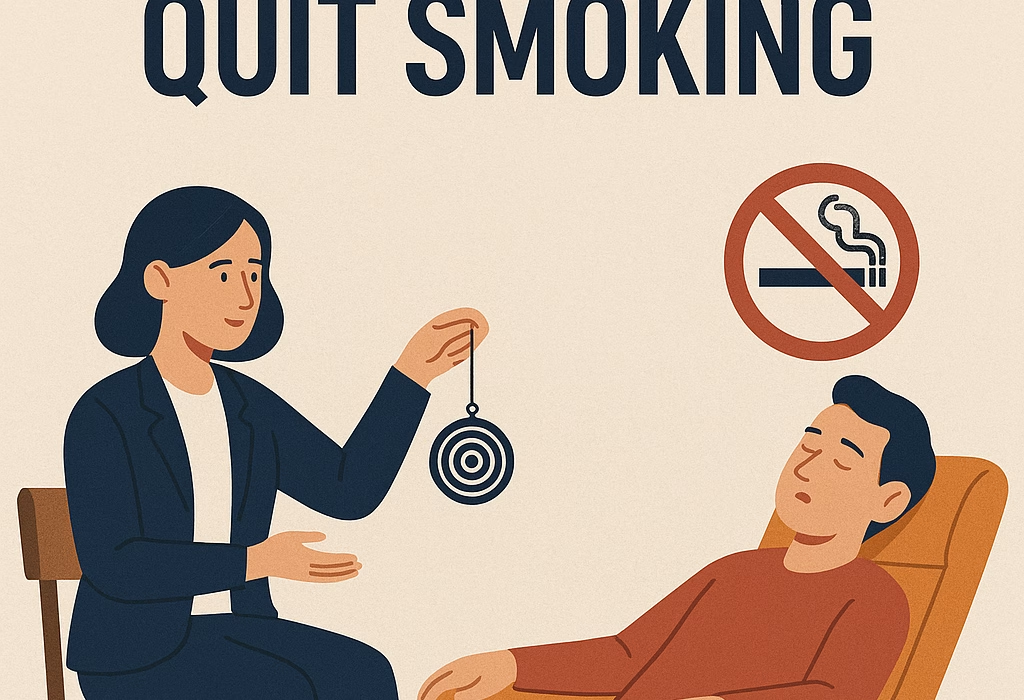
Quit Smoking for Good with Hypnotherapy in London

Giving up smoking can be one of the most challenging habits to break. It’s not just the nicotine that keeps you hooked—it’s the deeply ingrained routines, the emotional triggers, and the subconscious associations that make quitting so difficult.

Many people try patches, gum, or willpower alone, only to find themselves reaching for another cigarette. But what if you could rewire your mind to effortlessly become a non-smoker? That’s where hypnotherapy comes in—a powerful, fast, and proven method to help you quit smoking for good.

Why Hypnotherapy Works When Other Methods Fail

Most of my clients come to me after hearing about someone who quit smoking in just one session. And yes—it’s absolutely possible. Hypnotherapy has one of the highest success rates for smoking cessation because it works directly with the subconscious mind, where habits and cravings are rooted, and it’s no surprise: studies show hypnotherapy can be 2-3x more effective than nicotine replacement therapy (NRT) or going cold turkey (Green & Lynn, 2000).

Here’s why it works:

  • Targets the subconscious mind (where 95% of habits live) to dismantle cravings at their root.
  • Eliminates withdrawal anxiety by reframing your mental associations with smoking.

Cochrane meta-analysis (Barnes et al., 2019) found hypnosis significantly improved quit rates compared to minimal intervention, while a Mayo Clinic review acknowledges its potential to “alter subconscious triggers” that sustain addiction.

Unlike other methods that rely on willpower or nicotine replacement, hypnotherapy helps you:

  • Remove the psychological addiction – Breaking the mental patterns that make you reach for a cigarette.
  • Reset your identity – Shifting your self-image from “someone trying to quit” to a natural non-smoker.
  • Eliminate cravings – Many clients report that after hypnosis, they simply forget about smoking.

How Does Hypnotherapy Work So Quickly?

Your subconscious mind controls 95% of your behaviors, habits, and automatic responses. When you’re hypnotized, you enter a deeply relaxed state where your mind is open to positive suggestions.

In this state, we can:
✔ Reprogram your associations with smoking (so cigarettes no longer feel rewarding).
✔ Strengthen your motivation by aligning quitting with your deepest values (health, family, freedom).
✔ Install new, healthier habits to replace smoking effortlessly.

Imagine waking up one day and realizing you no longer think about cigarettes—no cravings, no struggle, just freedom. That’s the power of hypnotherapy.

The Life-Changing Benefits of Quitting Smoking

When you become a non-smoker, you’ll experience:

  • Better health – Reduced risk of cancer, heart disease, and lung damage.
  • More energy – Improved breathing, circulation, and stamina.
  • Sharper mind – No more brain fog; better focus and mental clarity.
  • Financial freedom – Save thousands per year by not buying cigarettes.
  • Confidence & control – Prove to yourself that you can change any habit.

Why Keep Struggling When You Can Quit Easily?

You’ve tried willpower. You’ve tried cutting down. Maybe you’ve even tried quitting before, only to start again. This time, let your mind do the work for you.

Hypnotherapy offers the fastest, most natural way to become a non-smoker—without withdrawal, cravings, or constant struggle.

Ready to quit for good?
👉 Contact me to start your smoke-free life today.

“You don’t have to quit smoking—you just have to become a non-smoker.”

References

  1. Green, J. P., & Lynn, S. J. (2000). Hypnosis and suggestion-based approaches to smoking cessation: An examination of the evidence. International Journal of Clinical and Experimental Hypnosis, 48(2), 195-224.
  2. Barnes, J., McRobbie, H., Dong, C. Y., Walker, N., & Hartmann-Boyce, J. (2019). Hypnotherapy for smoking cessation. Cochrane Database of Systematic Reviews, 6(6), CD001008.
  3. Mayo Clinic (2022). Hypnosis for smoking cessation: Does it work? Retrieved from https://www.mayoclinic.org/
  4. American Heart Association (2023). Benefits of Quitting Smoking. Retrieved from https://www.heart.org/
  5. Centers for Disease Control and Prevention (CDC, 2023). Health Benefits of Quitting Smoking Over Time. Retrieved from https://www.cdc.gov/
Health

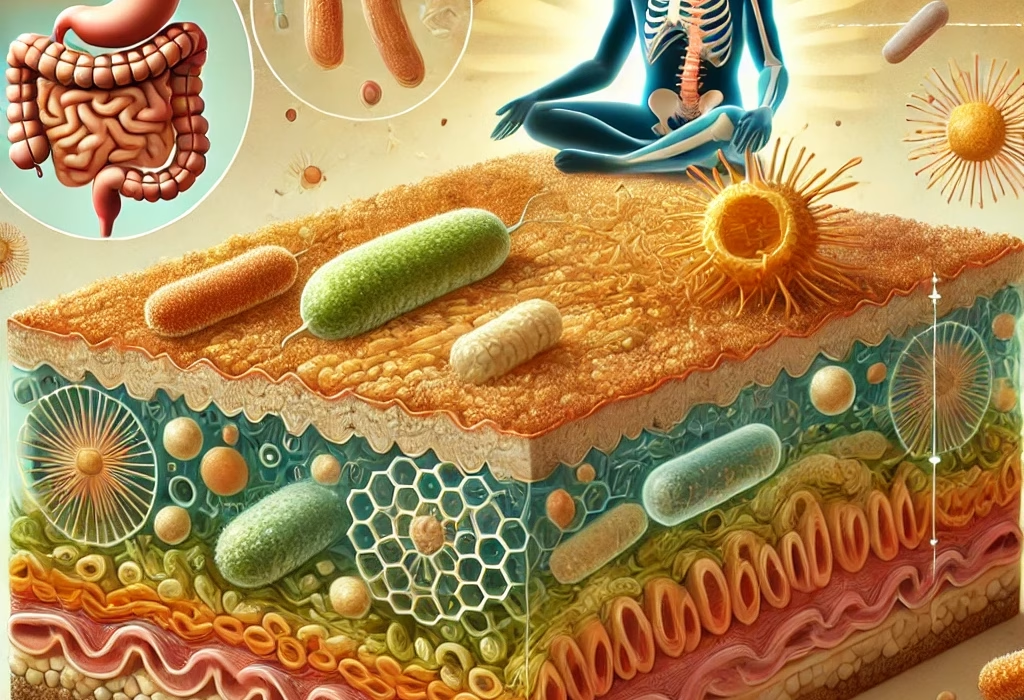
The Missing Link in IBS & SIBO: How Biofilm Disruptors Improve Gut Health

As a gut-directed hypnotherapist, I understand the profound connection between the mind and the gut. The gut is often called the “second brain” because of its intricate link to our emotions, stress levels, and overall well-being. When gut health is compromised, it can lead to a cascade of digestive issues, inflammation, and even mental health issues.

One of the emerging challenges in gut health is biofilms—protective layers created by harmful bacteria, fungi, and parasites that shield them from the immune system and treatments. These biofilms can contribute to chronic gut issues such as SIBO (Small Intestinal Bacterial Overgrowth), Candida overgrowth, and persistent digestive discomfort.

How Gut-Directed Hypnotherapy Supports Gut Healing

Gut-directed hypnotherapy is a powerful, evidence-based approach that helps regulate gut function by calming the nervous system. Research has shown its effectiveness in managing IBS (Irritable Bowel Syndrome), bloating, and functional digestive disorders. Here’s how it works:

  1. Reduces Stress & Nervous System Overdrive
    • Chronic stress disrupts gut motility and increases inflammation.
    • Hypnotherapy activates the parasympathetic nervous system (“rest and digest” mode), promoting better digestion and gut motility.
  2. Reprograms Negative Gut-Brain Patterns
    • Many people develop subconscious fear or anxiety around food and digestion.
    • Hypnotherapy helps reframe these thought patterns, reducing gut hypersensitivity.
  3. Enhances Mind-Body Communication
    • Guided visualization and somatic techniques encourage optimal gut function and microbiome balance.

The Role of Biofilm Disruptors in Gut Healing

While hypnotherapy addresses the mind-gut connection, biofilm disruptors tackle the physical barrier that protects harmful pathogens. Common biofilm disruptors include:

  • Enzymes (e.g., Serrapeptase, Nattokinase, Lumbrokinase) – Break down biofilm matrices.
  • Herbs (e.g., Berberine, Oregano Oil, Garlic) – Have antimicrobial properties.
  • EDTA & NAC (N-Acetyl Cysteine) – Help dissolve biofilms and support detoxification.

Combining gut-directed hypnotherapy with biofilm disruptors creates a holistic healing strategy—addressing both the psychological and physiological aspects of gut dysfunction.

A Step-by-Step Healing Approach

  1. Calm the Nervous System – Use hypnotherapy to reduce stress and improve gut-brain signaling.
  2. Disrupt Biofilms – Work with a healthcare provider to incorporate biofilm disruptors if needed.
  3. Rebalance the Microbiome – Probiotics, prebiotics, and a gut-friendly diet support repopulation of beneficial bacteria.
  4. Reinforce Positive Mind-Gut Habits – Hypnotherapy reinforces long-term gut health through subconscious reprogramming.

Healing the gut is not just about what we eat or supplements we take—it’s also about how we think, feel, and process stress. By integrating gut-directed hypnotherapy with biofilm-disrupting strategies, we can create a deeper, more sustainable healing process.

If you’re struggling with persistent gut issues, consider exploring how hypnotherapy can support your journey to better digestion and overall wellness.

Ready to transform your gut health? Let’s work together to restore balance, mind, and body.

📩 Contact me today to learn more about gut-directed hypnotherapy sessions!

References
Ford, A. C., et al. (2014). “Efficacy of prebiotics, probiotics, and synbiotics in irritable bowel syndrome and chronic idiopathic constipation: systematic review and meta-analysis.” American Journal of Gastroenterology, 109(10), 1547–1561.

Lindfors, P., et al. (2012). “Long-term effects of hypnotherapy in patients with refractory irritable bowel syndrome.” Scandinavian Journal of Gastroenterology, 47(4), 414–420.

Peters, S. L., et al. (2015). “Gut-directed hypnotherapy for functional abdominal pain or irritable bowel syndrome in children: a systematic review.” Journal of Pediatric Gastroenterology and Nutrition, 61(6), 665–672.

Simrén, M., & Tack, J. (2018). “Neurogastroenterology and motility disorders of the gastrointestinal tract.” Handbook of Clinical Neurology, 160, 413–426.

Keefer, L., et al. (2020). “Gut-directed hypnotherapy significantly improves quality of life in patients with irritable bowel syndrome.” Neurogastroenterology & Motility, 32(8)

Costerton, J. W., et al. (1999). “Bacterial biofilms: a common cause of persistent infections.” Science, 284(5418), 1318–1322.

Pérez, M. J., et al. (2021). “Biofilm disruption agents for chronic infections: a review of potential strategies.” Frontiers in Microbiology, 12, 609325.

Bjarnsholt, T., et al. (2013). “The role of bacterial biofilms in chronic infections.” APMIS, 121(136), 1–58.

Mayer, E. A., et al. (2014). “Gut/brain axis and the microbiota.” Journal of Clinical Investigation, 124(10), 4132–4142.

Dinan, T. G., & Cryan, J. F. (2017). “The microbiome-gut-brain axis in health and disease.” Gastroenterology Clinics, 46(1), 77–89.

Rao, S. S. C., & Rehman, A. (2018). “Biofeedback therapy for constipation and fecal incontinence.” Gastroenterology Clinics, 47(3), 623–636.

Sachdeva, A., & Rawat, A. K. (2020). “Herbal biofilm disruptors in the management of gut dysbiosis.” Journal of Ayurveda and Integrative Medicine, 11(3), 350–356.

gut-brain-ais
Lifestyle

Gut-Directed Hypnotherapy: The Science Behind the Mind-Gut Connection

In recent years, gut-directed hypnotherapy (GDH) has gained recognition as an effective treatment for gastrointestinal disorders, particularly Irritable Bowel Syndrome (IBS). This innovative approach leverages the mind-gut connection, a concept rooted in both ancient practices and modern science. But how does gut-directed hypnotherapy work, and what does the science say about its efficacy?

gut-directed hypnotherapy

The Mind-Gut Connection: A Scientific Overview

The gut and brain are intricately connected through the gut-brain axis, a bidirectional communication system that includes the central nervous system (CNS), the enteric nervous system (ENS), and the vagus nerve. This axis regulates many physiological processes, including digestion, mood, and immune function. Disruptions in this communication pathway have been linked to various disorders, including IBS, anxiety, and depression.

Key players in the gut-brain axis include:

  • The Enteric Nervous System (ENS): Sometimes called the “second brain,” the ENS consists of over 100 million neurons embedded in the gastrointestinal lining.
  • The Microbiome: Gut bacteria play a crucial role in producing neurotransmitters like serotonin, which influence mood and gut motility.
  • The Vagus Nerve: This nerve acts as a conduit, transmitting signals between the brain and the gut.

What is Gut-Directed Hypnotherapy?

Gut-directed hypnotherapy is a specialized form of clinical hypnotherapy that focuses on the gastrointestinal system. It involves guiding patients into a state of deep relaxation and using hypnotic suggestions to:

  • Alleviate visceral hypersensitivity (heightened pain perception in the gut).
  • Improve gut motility and regulate bowel movements.
  • Reduce stress and anxiety, which often exacerbate gastrointestinal symptoms.

Therapists typically tailor the sessions to address the specific needs of the patient, using imagery and metaphors to help the patient visualize their gut functioning in a healthy, harmonious way.


The Science Behind Gut-Directed Hypnotherapy

Research has provided compelling evidence for the efficacy of gut-directed hypnotherapy, particularly in treating IBS. Key findings include:

  1. Symptom Relief:
    • A meta-analysis published in the American Journal of Gastroenterology found that GDH significantly reduces IBS symptoms, including abdominal pain, bloating, and altered bowel habits.
    • Many patients report long-lasting benefits, with some studies suggesting sustained symptom relief for up to five years after treatment.
  2. Reduced Visceral Hypersensitivity:
    • Hypnotherapy helps modulate the central pain pathways, reducing the brain’s perception of gut-related pain.
  3. Stress Reduction:
    • Chronic stress exacerbates gastrointestinal disorders by disrupting the gut-brain axis. GDH promotes relaxation and lowers cortisol levels, thereby improving gut health.
  4. Altered Brain Activity:
    • Neuroimaging studies have shown that hypnotherapy can alter activity in areas of the brain associated with pain perception and emotional regulation, such as the anterior cingulate cortex and amygdala.

Advantages of Gut-Directed Hypnotherapy

  1. Non-Invasive: Unlike medications or surgeries, GDH is a non-invasive treatment option.
  2. Drug-Free: It eliminates concerns about medication side effects or dependencies.
  3. Holistic: GDH addresses both the psychological and physiological aspects of gut disorders.
  4. Cost-Effective: While initial sessions may seem costly, the long-term benefits often reduce healthcare expenditures.

Beyond IBS: Potential Applications

While IBS is the most common condition treated with gut-directed hypnotherapy, research suggests potential benefits for other disorders, such as:

  • Functional Dyspepsia
  • Inflammatory Bowel Disease (IBD)
  • Gastroesophageal Reflux Disease (GERD)
  • Anxiety and stress-related gut issues

The Role of a Qualified Hypnotherapist

Success with gut-directed hypnotherapy depends on working with a trained and certified hypnotherapist. A professional ensures that sessions are tailored to the individual’s needs and conducted in a safe, supportive environment. Many practitioners also combine GDH with dietary advice, mindfulness practices, or cognitive-behavioral therapy for a more comprehensive approach.

As a hypnotherapist, Antonios Koletsas from London Hypnotics exemplifies this approach. Koletsas is a qualified Ericksonian Hypnotherapist in London, specializing in anxiety, trauma, and general well-being. He obtained his training from Stephen Brooks, a renowned figure in the UK who has introduced the Ericksonian approach and teachings of Milton Erickson and NLP for over five decades. Koletsas holds a distinguished diploma from BHRTI and is fully insured with membership in GHSC, GHR, and NHS.

Koletsas provides a collaborative approach, utilizing Ericksonian Hypnotherapy, coaching, and nutrition for sustainable outcomes addressing both body and mind. His practice, London Hypnotics, offers both in-person sessions at Islington Therapy House in London and online hypnotherapy worldwide, making his services accessible to a broad range of clients. This flexibility allows patients to experience the benefits of hypnotherapy from the comfort of their own homes, requiring only a stable internet connection and a secure, relaxing environment. By combining his expertise in hypnotherapy with a focus on individual needs, Antonios Koletsas demonstrates the importance of working with a qualified professional to achieve success in gut-directed hypnotherapy and other related treatments. (https://london-hypnotics.co.uk/get-to-know-me-antonios-koletsas/)

Hypnotherapist Antonios

Studies about (GDH)

Gut-directed hypnotherapy (GDH) has indeed gained recognition as an effective treatment for gastrointestinal disorders, particularly Irritable Bowel Syndrome (IBS). Below I have included some of the most significant sources outlining the efficacy of (GDH).

The mind-gut connection is supported by research showing the intricate relationship between the brain and the gastrointestinal system. A study from the Max Planck Institute for Biological Cybernetics identified a circuit connecting the brain with certain gut glands, demonstrating a concrete mechanism by which the brain controls the gut microbiome https://www.mpg.de/23468697/0917-kybe-mind-over-microbiome-how-mental-states-impact-gut-health-152035-x

The efficacy of GDH in treating IBS is supported by multiple studies. A review published in PubMed found that response rates among those who received gut-directed hypnotherapy ranged between 24% and 73%, with efficacy maintained long-term in four out of five studies https://pubmed.ncbi.nlm.nih.gov/25858661/

The long-lasting effects of GDH are corroborated by research from Monash University, which showed that gut-directed hypnotherapy improves gastrointestinal symptoms in people with IBS by 70-80%, with improvements maintained in the long-term https://www.monashfodmap.com/blog/how-effective-is-gut-directed/

The comparison between GDH and other treatments is supported by a randomized clinical trial that found the durable effects of gut-directed hypnotherapy to be similar to those of the low FODMAP diet for relief of gastrointestinal symptoms https://pubmed.ncbi.nlm.nih.gov/27397586/

The potential mechanisms of action for GDH are discussed in a study published in Frontiers in Psychology, which notes that gut-directed hypnosis relieves a wide range of symptoms associated with IBS, in contrast to medications that often only target one symptom https://pubmed.ncbi.nlm.nih.gov/27397586/

The effectiveness of GDH in improving both gastrointestinal symptoms and psychological well-being is supported by a study published which found significant reductions in bowel symptoms and improvements in psychological distress after hypnosis treatment and are as equally as effective with the low fodmap diet. https://pubmed.ncbi.nlm.nih.gov/27397586/


Gut-directed hypnotherapy represents a promising frontier in treating gastrointestinal disorders, underpinned by a growing body of scientific evidence. By addressing the intricate relationship between the mind and the gut, GDH offers a holistic, effective, and empowering solution for individuals seeking relief from chronic digestive issues.

As research continues to explore the potential of this therapy, it’s clear that the age-old wisdom of treating the mind and body as interconnected systems has profound relevance in modern healthcare.

Ready to embark on your new journey? Contact me to get more information about Gut directed Hypnotherapy.

Health, Lifestyle

Hypnotherapy for Anxiety: Procedure, Benefits and More

What is Anxiety?

Feeling anxious is normal part of life, especially around work, money, family, school or health. However, it when it becomes chronic and felt in many situations in everyday life then its characterised as anxiety disorder. For people with these disorders, life can feel overwhelmed especially in daily activities that involves new situations, exposure to unknown people or visiting new places.

There are several types of anxiety disorders including:

The role of Hypnotherapy in treating anxiety

Hypnotherapy plays a significant role in treating anxiety, offering an effective complementary approach to traditional psychological interventions. Research indicates that hypnosis can reduce anxiety more effectively when combined with other psychological treatments, such as cognitive behavioral therapy (CBT) or exposure therapy

Mechanisms of Action

Hypnotherapy works by inducing a state of focused attention and reduced peripheral awareness, enhancing a person’s responsiveness to suggestions. This relaxed state allows individuals to:

  1. Tap into internal resources not easily accessible in a fully conscious state
  2. Alter brainwave patterns, promoting relaxation and calmness
  3. Gain greater emotional control and reduce negative thinking

Effectiveness

Studies have demonstrated the efficacy of hypnotherapy in anxiety treatment:

  • A meta-analysis found that hypnosis reduced anxiety more than 79% compared to control participants at the end of active treatment.
  • Hypnosis has shown to be effective in reducing state anxiety and tension.
  • It may positively affect the cardiovascular system by reducing sympathetic activation and increasing parasympathetic tone.

Benefits of Hypnotherapy for Anxiety

Hypnotherapy offers several benefits for individuals struggling with anxiety:

  • Helps break the cycle of negative thinking and dread
  • Builds confidence and self-esteem
  • Encourages relaxation and calmness
  • Allows visualization of positive outcomes
  • Addresses root causes of anxiety
  • Provides a safe and controlled environment for facing fears

Ready to embark your Hypnotherapy Journey?

If you’re struggling with anxiety, consider the transformative benefits of hypnotherapy. This powerful tool helps you tap into your subconscious mind to uncover the root causes of your anxiety and reframe negative thought patterns, leading to lasting relief and a more positive outlook on life.

I offer a personalized approach tailored to your unique experiences and challenges, ensuring that you feel comfortable exploring your thoughts in a safe and supportive environment. Utilizing proven techniques, I have helped many clients overcome their anxiety by promoting relaxation and empowering them to regain control over their thoughts and emotions.

Conveniently located in Islington, London, you can learn more about my services at London Hypnotics. If you’re ready to take the first step towards overcoming anxiety, call me at 020 7101 3284 or visit my website to book your session today.

Don’t let anxiety hold you back any longer—embrace the opportunity for change through hypnotherapy!

Sources

https://www.nimh.nih.gov/health/topics/anxiety-disorders

https://www.frontiersin.org/journals/psychology/articles/10.3389/fpsyg.2024.1411835/full

https://www.thetimes.com/article/how-hypnotherapy-helps-soothe-patients-on-nhs-waiting-lists-7fczlr2lx?id=1756158124&gad_source=1

https://www.nimh.nih.gov/health/publications/generalized-anxiety-disorder-gad

https://www.nimh.nih.gov/health/publications/panic-disorder-when-fear-overwhelms

https://www.nimh.nih.gov/health/publications/social-anxiety-disorder-more-than-just-shyness

https://pmc.ncbi.nlm.nih.gov/articles/PMC11258040

https://pubmed.ncbi.nlm.nih.gov/31251710

https://www.medicalnewstoday.com/articles/hypnosis-for-anxiety

Pictures Designed by Freepik

Health, Lifestyle

Hypnotherapy to reduce Anxiety.

What is Anxiety?

Anxiety is a common emotional state characterized by feelings of worry, unease, or fear that can range from mild to severe. Here are the key points about anxiety:

Designed by Freepik

Definition and Characteristics

Anxiety is:

  • A feeling of fear, dread, and uneasiness
  • Characterized by tension, worried thoughts, and physical changes like increased blood pressure
  • A future-oriented, long-acting response focused on a diffuse threat
  • Part of the body’s natural ‘fight or flight’ response to stress or perceived danger

Physical Symptoms

Common physical symptoms of anxiety include:

  • Sweating
  • Feeling restless or tense
  • Rapid heartbeat
  • Shortness of breath
  • Dizziness
  • Muscle tension

Normal vs. Problematic Anxiety

  • Some anxiety is normal and even helpful in certain situations
  • Anxiety becomes problematic when it’s excessive, persistent, and interferes with daily life
  • When anxiety is severe and chronic, it may be diagnosed as an anxiety disorder

Anxiety Disorders

Anxiety disorders are mental health conditions characterized by excessive and persistent anxiety. Common types include:

  • Generalized Anxiety Disorder (GAD)
  • Panic Disorder
  • Social Anxiety Disorder
  • Specific Phobias

Prevalence

  • Anxiety disorders are prevalent, affecting an estimated one in six adults in the UK
  • In the US, around 40 million people have an anxiety disorder

How hypnotherapy can help with Anxiety

Hypnotherapy can be a useful approach for managing and alleviating anxiety. It guides individuals into a deeply relaxed state, known as hypnosis, where the mind is more open to suggestion and focused on positive changes. Here’s how hypnotherapy can help with anxiety:

Deep Relaxation: Hypnosis induces a state of deep relaxation, reducing stress levels and calming the nervous system. This relaxation can help counteract the physical symptoms of anxiety, such as rapid heart rate, tension, and restlessness.

Changing Negative Thought Patterns: Anxiety often stems from persistent negative thinking or fears. During hypnosis, a hypnotherapist can introduce positive suggestions and help reshape negative thought patterns. This can lead to more constructive thinking and reduce anxiety-triggering thoughts.

Addressing Underlying Issues: Hypnotherapy can be used to explore and uncover subconscious issues that may be contributing to anxiety, such as past traumas or unresolved emotional conflicts. By bringing these to the surface in a safe way, individuals can process and release the emotions tied to their anxiety.

Building Coping Mechanisms: Through hypnosis, clients can learn new coping strategies, like visualization techniques, to handle anxious situations more effectively. Hypnotherapy may instill feelings of calm and confidence that help manage future episodes of anxiety.

Reducing Fear and Phobias: Hypnotherapy is particularly effective in addressing specific phobias or irrational fears that cause anxiety. By targeting these fears directly, individuals can desensitize themselves to triggers, lowering anxiety levels over time.

Enhancing Mindfulness and Self-Control: Hypnotherapy often teaches individuals how to be more mindful of their emotions and thoughts, giving them greater control over anxiety responses. This helps them become more resilient in stressful situations.

At London Hypnotics we offer tailored hypnotherapy sessions for each individual. We believe every human being has unique characteristics and there is no cure-all technique to fix everyone’s issues. If you are ready to embark on your journey to a more stress-free life, without worries and anxiety and with a sharp and clear mind then I strongly suggest that you book your free consultation via or call 020 7101 3284

Sources:

https://www.apa.org/topics/anxiety

https://medlineplus.gov/anxiety.html

https://www.mentalhealth.org.uk/our-work/public-engagement/mental-health-awareness-week/anxiety-report/what-anxiety

https://www.medicalnewstoday.com/articles/323454

https://pubmed.ncbi.nlm.nih.gov/31251710

https://www.hypnotherapy-directory.org.uk/topics/anxiety.html

Shows human has pain in different parts of the body
Health

Is Hypnotherapy the Key to Your Pain Relief? Find Out Now!

Is Hypnotherapy the Key to Your Pain Relief? Find Out Now!

Why do I feel pain? Pain is a complex sensation that most of us experience at some point in our lives. It can be physical, resulting from injury or disease, but it can also be emotional or psychological. While physical pain is often localized to a specific area of the body, emotional and psychological pain can manifest differently. Interestingly, this type of pain is frequently experienced as headaches or migraines, often centered around the skull area.

Many people wonder why pain sometimes returns quickly after taking a painkiller. This occurrence is common and can be due to various factors, including the type of pain, the effectiveness of the medication, and individual physiology. It’s important to note that chronic pain, whether physical or emotional, can persist without an apparent ongoing cause. Some individuals may experience what they describe as chronic migraines or headaches ‘without a reason,’ which could be related to underlying emotional or psychological factors.

Today we will explore what pain is and how we can treat pain with Hypnotherapy.

Shows human has pain in different parts of the body

Understanding Pain

Pain is more than just a physical sensation. It involves:

  • Physical sensations in the body
  • Emotional responses like anxiety or depression
  • Cognitive factors such as attention and expectations

Chronic pain, which persists for over 6 months, can be particularly challenging to treat with conventional methods alone.

If you are experiencing pain, it is always recommended to consult your doctor. They can investigate further to identify the cause and determine the most appropriate treatment. Several illnesses and conditions are commonly associated with pain, including:

Arthritis
Arthritis involves inflammation and stiffness in the joints, with pain ranging from mild to severe depending on the condition’s severity. This can make daily activities challenging.

Cancer
Many cancer patients experience pain, which may result from tumors or cancer treatments. The level of pain varies based on individual circumstances.

Cluster headaches and migraines
Cluster headaches cause intense, sudden pain in the head, lasting from 15 minutes to three hours and often occurring in clusters, causing significant discomfort. Migraines are another severe type of headache, often accompanied by vomiting and sensitivity to light and sound. If you frequently suffer from migraines, your doctor may prescribe medication.

Complex Regional Pain Syndrome (CRPS)
This condition usually develops after an injury, with pain that persists and is often disproportionate to the initial injury.

Endometriosis
Endometriosis is a gynecological condition where cells similar to those in the womb are found in other body parts. While some experience no pain, most suffer from pelvic pain, severe menstrual cramps, and pain during or after intercourse.

Fibromyalgia
Fibromyalgia’s cause remains largely unknown, but it is characterized by widespread muscle pain and stiffness. Treatment often includes pain relief, physical therapy, and relaxation techniques.

Multiple Sclerosis (MS)
MS affects the brain, nerves, and spinal cord, with about half of those affected experiencing pain. This may be musculoskeletal due to pressure on muscles and joints or neuropathic, with damaged nerve fibers causing a burning or stabbing sensation.

Sciatica and back pain
Sciatica occurs when the sciatic nerve becomes irritated, often due to a slipped disc, leading to leg pain. Other types of back pain may result from previous injuries or muscle overuse.

What is emotional pain and what can I do about it?

Emotional pain is a complex and deeply unpleasant psychological experience that can significantly impact a person’s well-being. Here’s an overview of emotional pain and some strategies for managing it:

Understanding Emotional Pain

Emotional pain refers to intense negative feelings and mental suffering that are not directly caused by physical stimuli. It can be described as:

  • A state of “feeling broken” involving a sense of loss, disconnection, and negative self-awareness
  • An aversive feeling associated with perceptions of negative changes in the self and its functioning
  • Intense dysphoric effects like sorrow, shame, emptiness, and loneliness

Emotional pain often stems from:

  • Loss of significant relationships
  • Trauma or abuse
  • Frustrated psychological needs
  • Social rejection or isolation
  • Failure to meet personal standards or expectations

Impact of Emotional Pain

Severe emotional pain can:

  • Be as distressing as physical pain
  • Increased risk of depression and suicidal thoughts
  • Amplify physical pain conditions
  • Impair daily functioning and quality of life

Strategies for Managing Emotional Pain

  1. Seek professional help: A mental health professional can provide therapy and coping strategies tailored to your situation.
  2. Practice emotional awareness: Learn to identify and label your emotions accurately.
  3. Express your feelings: Share your pain with trusted friends, family, or support groups.
  4. Use mindfulness techniques: Mindfulness can help you observe painful emotions without being overwhelmed by them.
  5. Engage in self-care: Prioritize sleep, nutrition, exercise, and activities you enjoy.
  6. Challenge negative thoughts: Work on reframing overly negative or self-critical thinking patterns.
  7. Set achievable goals: Accomplish small tasks to build self-esteem and a sense of control.
  8. Practice self-compassion: Treat yourself with kindness and understanding.
  9. Explore relaxation techniques: Try deep breathing, progressive muscle relaxation, or guided imagery.
  10. Consider medication: In some cases, antidepressants or other medications may be helpful when prescribed by a doctor.

How Hypnotherapy can help with pain?

Hypnotherapy has emerged as a powerful tool for managing both acute and chronic pain conditions. By harnessing the mind-body connection, hypnosis can significantly alter pain perception and provide relief for many patients.

Mechanisms of Pain Relief through Hypnosis

Altering Pain Perception

Hypnosis can effectively “close the gate” on pain pathways, blocking pain signals from reaching the brain. While it doesn’t eliminate the source of pain, hypnotherapy changes how the brain interprets pain signals, reducing the overall sensation of discomfort.

Relaxation and Stress Reduction

Pain often leads to increased muscle tension and stress, which can exacerbate discomfort. Hypnosis induces deep relaxation, activating the parasympathetic nervous system and reducing overall tension. This relaxation response helps interrupt the pain-tension cycle.

Refocusing Attention

Hypnotic techniques can help redirect attention away from pain sensations and onto more pleasant imagery or experiences. By training the brain to focus on soothing scenes or sensations, hypnotherapy can significantly reduce pain awareness.

Effectiveness for Various Pain Conditions

Research has demonstrated the efficacy of hypnosis for a wide range of pain conditions:

  • Chronic pain associated with fibromyalgia, arthritis, and cancer
  • Acute pain related to medical procedures or surgery
  • Low back pain
  • Headaches and migraines
  • Irritable bowel syndrome

Studies have shown an average 29% reduction in pain for patients receiving hypnotic interventions.

Advantages of Hypnotherapy for Pain Management

Hypnotherapy offers several benefits as a pain management tool:

  • Non-invasive and drug-free approach
  • No side effects, unlike many pain medications
  • Can be used alongside other treatments
  • Empower patients with self-management tools
  • May reduce reliance on pain medications

Hypnotic Techniques for Pain Relief

Hypnotherapists employ various approaches to manage pain:

  • Guided imagery to visualize pain reduction
  • Suggestions for numbness or altered sensations in painful areas
  • Post-hypnotic suggestions for ongoing pain relief
  • Teaching self-hypnosis techniques for patients to use at home

Neurochemical Effects

Hypnotherapy helps create a steady flow of serotonin, which can interrupt pain signals received by the brain. This neurochemical effect contributes to the pain-relieving properties of hypnosis.

Supporting the Parasympathetic Nervous System

By promoting relaxation and stress reduction, hypnotherapy supports the parasympathetic nervous system. This helps counter the activity of stress-related neurotransmitters that can increase pain perception.

Long-term Benefits

Regular hypnotherapy sessions and practicing self-hypnosis can lead to lasting improvements in pain management. Patients often report reduced pain intensity, improved sleep, and better overall quality of life. Hypnotherapy offers a valuable complementary approach to comprehensive pain management. Its ability to alter pain perception, induce relaxation, and empower patients with self-management tools makes it an attractive option for those seeking alternatives or additions to traditional pain treatments.

To discuss how I can help you with pain, do not hesitate to contact me or call 020 7101 3284.

Hypnotherapist Antonios

Sources
https://www.ncbi.nlm.nih.gov/pmc/articles/PMC3152687/

https://en.wikipedia.org/wiki/Psychological_pain

https://bjgp.org/content/emotional-pain-parable-concealed-suffering

https://pubmed.ncbi.nlm.nih.gov/14582833

https://www.hypnotherapy-directory.org.uk/topics/pain-management.html

https://www.hypnotherapy-directory.org.uk/topics/pain-management.html#whatischronicpain

https://www.sense-ability.co.uk/Blog/2020/7/9/can-hypnotherapy-ease-chronic-pain

https://www.ncbi.nlm.nih.gov/pmc/articles/PMC2752362

https://www.arthritis.org/health-wellness/treatment/complementary-therapies/natural-therapies/hypnosis-for-pain-relief

https://www.medicalnewstoday.com/articles/325041

Lifestyle

Debunking Common Myths About Hypnotherapy

Hypnotherapy has been around for centuries, yet it remains shrouded in misconceptions. As a professional hypnotherapist, I’ve encountered numerous myths that often prevent people from experiencing the benefits of this powerful therapeutic technique. Today, let’s separate fact from fiction and debunk some of the most common myths about hypnotherapy.

downloaded from Freepik

Myth 1: Hypnosis is mind control

One of the most persistent myths is that hypnotherapists can control your mind. In reality, hypnosis is a state of focused attention and heightened suggestibility. You remain in control at all times and cannot be made to do anything against your will. Hypnotherapy is a collaborative process where the therapist guides you, but you’re always in the driver’s seat.

Myth 2: You can get “stuck” in hypnosis

Many people worry they might not be able to “wake up” from hypnosis. This is simply not true. Hypnosis is a natural state that we enter and exit multiple times a day (like when we’re engrossed in a book or movie). Even in the unlikely event that a session is interrupted, you would naturally return to full alertness.

Myth 3: Hypnosis is just relaxation

While relaxation is often a part of hypnotherapy, it’s not the whole story. Hypnosis involves accessing the subconscious mind, where deep-seated beliefs and behaviors reside. This allows for powerful change work that goes beyond simple relaxation techniques.

Myth 4: Only weak-minded people can be hypnotized

Contrary to popular belief, being easily hypnotized is a sign of intelligence and focus, not weakness. People who can concentrate well and have vivid imaginations often make the best hypnotherapy subjects.

Myth 5: Hypnotherapy results are immediate and permanent

While some people experience rapid changes, hypnotherapy is not a magic wand. Like any therapeutic approach, it often requires multiple sessions and personal commitment to achieve lasting results. The changes can be profound and long-lasting, but they typically build over time.

Myth 6: Hypnotherapists need swinging watches or spirals

This myth comes straight from Hollywood! Modern hypnotherapists rarely use props. Instead, we use guided imagery, soothing voices, and sometimes simple focus objects to help clients enter a hypnotic state.

Myth 7: Hypnosis is not scientifically proven

In fact, there’s a growing body of scientific research supporting the efficacy of hypnotherapy for various issues, including pain management, anxiety, and habit control. Many respected medical institutions now offer hypnotherapy as a complementary treatment. By dispelling these myths, I hope to open more people’s minds to the possibilities of hypnotherapy. It’s a safe, effective, and empowering tool for personal growth and healing. If you have any questions about hypnotherapy or how it might benefit you, don’t hesitate to reach out. Your journey to positive change could start with just one session!

References

https://www.hypnotherapy-directory.org.uk/memberarticles/hypnotherapy-myths-and-misconceptions

https://instituteofclinicalhypnosis.com/hypnosis/common-misconceptions-and-myths-about-hypnosis-and-hypnotherapy

https://neurosciencenews.com/hypnosis-myths-23607/

https://kclpure.kcl.ac.uk/ws/portalfiles/portal/192316197/Lynn_et_al._2020_ACP.pdf

https://www.researchgate.net/publication/343602945_Myths_and_Misconceptions_About_Hypnosis_and_Suggestion_Separating_Fact_and_Fiction

Stressed woman holing her head
Health, Lifestyle

Can Hypnotherapy help my anxiety & stress?

Anxiety and stress are complex psychological phenomena that many individuals experience throughout their lives. There are different types of anxiety disorders and each of them has been studied extensively to understand their mechanisms and also how we can treat them.

The good news is that anxiety is easily treated either with psychological therapies medicine, or a combination of both. Our brains are linked with anxiety for millennia and it is a driving force to improve our lives, but when anxiety overloads our system we are starting to experience different psychological and physiological symptoms.

Anxiety and stress usually go hand in hand, because stress in our daily lives if left unmanageable can lead to anxiety disorders. But stress is not the only cause of anxiety, for example, someone may start to experience anxiety after abuse or trauma. Emotional trauma manifests from the psyche and develops into different types of symptoms and anxiety is one of them. Often people who have experienced emotional abuse or trauma have different psychosomatic symptoms that keep manifesting throughout their lives.

An example of someone who has been dealing with emotional pain and has been manifested in psychosomatic pain can swift from back pain to migraines, poor sleep, weight gain, brain fog, cognitive decline, eating disorders, gastrointestinal disorders, anxiety, depression, or a combination of these.

But, how Hypnotherapy can help with anxiety or stress? the answer is not so simple, but I will try to explain and give you some answers:

Hypnotherapy works by blocking the conscious mind or the chattering mind and accessing the unconscious part of the brain with hypnosis. All your memories, beliefs, bodily functions, and ideas about the world or yourself are stored in the unconscious part of your brain. There is strong evidence that your unconscious mind starts developing when you are a fetus and stops by the age of 7 or 8 years old.

Luckily, this doesn’t mean that it cannot be changed. The good news is that you can use a lot of different tools to change parts of your unconscious mind and some of these tools have been used for hundreds of years by different people around the world. Meditation, affirmations, healing ceremonies, modern psychotherapy, and CBT all help to change how your unconscious mind works. In addition to these different types of therapies, Hypnotherapy has been praised for its efficacy and speed in treating such conditions. Hypnotherapy can go to the root cause of your stress and anxiety, heal the part that is responsible for the symptoms in a very short period, and help you achieve your true potential in life.

Hypnotherapy can also help you find helpful ways to cope with stress in your daily life, teach you breathing techniques that help your body release stress, and also understand yourself and get to know who you are at the deepest level of your being.

Now, you may wonder how to find a good hypnotherapist. I recommend you always choose someone who has been professionally trained, is a member of a registered body like GHR in the UK, and also has experience in working with stress and anxiety and one that you can trust. I offer a free consultation to discuss your issues and find out if we are a good match to work together because the pre-requirement for a successful therapy is rapport and trust with your therapist.

If you are feeling ready to embark on a healing journey, feeling your best version of yourself then I recommend you book a free consultation by clicking here or simply call 020 7101 3284 or 07586755862.

Here are some useful links to manage anxiety

https://www.mentalhealth.org.uk/explore-mental-health/publications/how-manage-and-reduce-stress

https://www.healthline.com/nutrition/16-ways-relieve-stress-anxiety

https://www.oxfordhealth.nhs.uk/wp-content/uploads/2020/03/OH-195.20-Anxiety.pdf

https://www.nhs.uk/every-mind-matters/mental-health-issues/anxiety

References

Golden, W. L. (2012). Cognitive hypnotherapy for anxiety disorders. American Journal of Clinical Hypnosis, 54(4), 263-274. https://doi.org/10.1080/00029157.2011.650333

Rohaeti, A., wondo, A. S., Pujiastuti, R., Latifah, L., & Widyawati, M. N. (2018). Hypnotherapy as an alternative to reducing anxiety levels, cortisol levels and fetal heart rate among primigravide in the third trimester of pregnancy. International Journal of Nursing and Health Science, 4(3), 5-8. https://doi.org/10.14445/24547484/ijnhs-v4i3p102

Annisa, D. F., Afdal, A., Daharnis, D., & Adlya, S. I. (2019). Hypnotherapy as an alternative approach in reducing anxiety in the elderly. Konselor, 8(1), 32. https://doi.org/10.24036/0201874102696-0-00

Lawrence, P., Murayama, K., & Creswell, C. (2019). Systematic review and meta-analysis: anxiety and depressive disorders in offspring of parents with anxiety disorders. Journal of the American Academy of Child & Adolescent Psychiatry, 58(1), 46-60. https://doi.org/10.1016/j.jaac.2018.07.898

Harandi, A. A., Esfandani, A., & Shakibaei, F. (2004). The effect of hypnotherapy on procedural pain and state anxiety related to physiotherapy in women hospitalized in a burn unit. Contemporary Hypnosis, 21(1), 28-34. https://doi.org/10.1002/ch.285

Ghazali, D. A., Ragot, S., Brèque, C., Guéchi, Y., Boureau-Voultoury, A., Petitpas, F., … & Oriot, D. (2016). Randomized controlled trial of multidisciplinary team stress and performance in immersive simulation for management of infant in shock: study protocol. Scandinavian Journal of Trauma, Resuscitation and Emergency Medicine, 24(1). https://doi.org/10.1186/s13049-016-0229-0

Amray, A. N., Munir, K., Jahan, N., Motiwala, F., & Sattar, N. (2019). Psychopharmacology of pediatric anxiety disorders: a narrative review. Cureus. https://doi.org/10.7759/cureus.5487

Huynh, M. E., Vandvik, I. H., & Diseth, T. H. (2008). Hypnotherapy in child psychiatry: the state of the art. Clinical Child Psychology and Psychiatry, 13(3), 377-393. https://doi.org/10.1177/1359104508090601

Annisa, D. F., Afdal, A., Daharnis, D., & Adlya, S. I. (2019). Hypnotherapy as an alternative approach in reducing anxiety in the elderly. Konselor, 8(1), 32. https://doi.org/10.24036/0201874102696-0-00

Image by freepik

1 2 3
Privacy Settings
We use cookies to enhance your experience while using our website. If you are using our Services via a browser you can restrict, block or remove cookies through your web browser settings. We also use content and scripts from third parties that may use tracking technologies. You can selectively provide your consent below to allow such third party embeds. For complete information about the cookies we use, data we collect and how we process them, please check our Privacy Policy
Youtube
Consent to display content from - Youtube
Vimeo
Consent to display content from - Vimeo
Google Maps
Consent to display content from - Google
Spotify
Consent to display content from - Spotify
Sound Cloud
Consent to display content from - Sound