Articles Tagged with

nervous system

Home / nervous system
Nervous System
Health

Nervous System Regulation: What It Means and How Hypnotherapy Helps

“Nervous system regulation” has become one of those phrases you hear everywhere, from therapy rooms to social media. It is a useful idea, but it often gets explained vaguely. In this article I want to set out clearly what your nervous system is, what it does in your body, what happens when it stays stuck in a stressed state, and why hypnotherapy is one of the more direct ways of helping it settle. I will also be honest about what the research does and does not show.
Nervous System

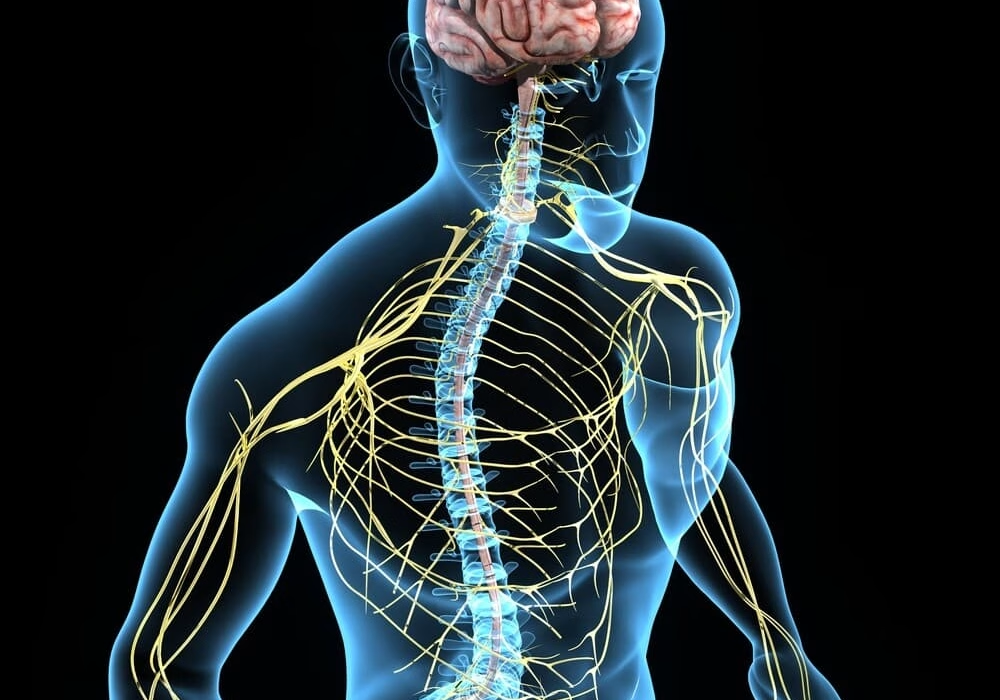
What Is the Nervous System?

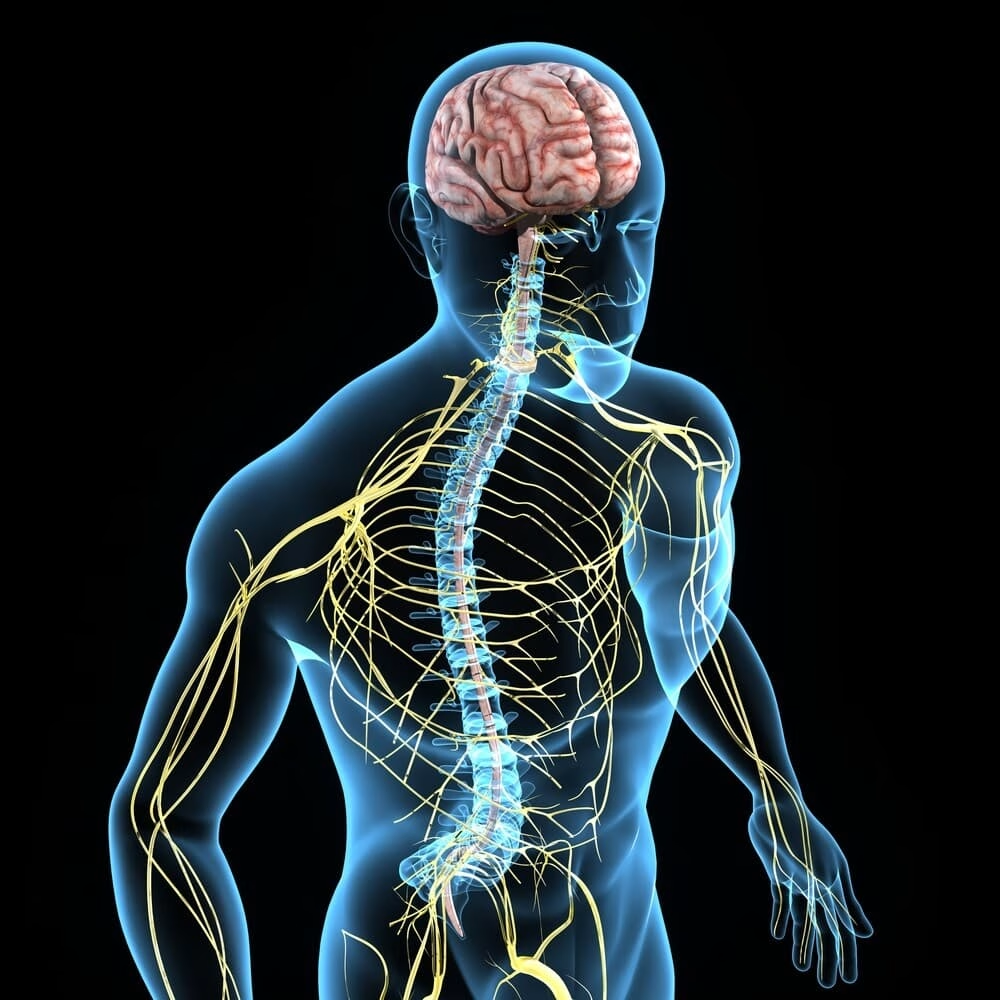
Your nervous system is the body’s communication network. It has two main parts:

  • The central nervous system: your brain and spinal cord, which take in information, make sense of it and decide how to respond.
  • The peripheral nervous system: the nerves that carry messages between the brain and the rest of the body, including your muscles, skin and internal organs.

When people talk about “regulating” the nervous system, they usually mean one particular branch of it: the autonomic nervous system. This is the part that runs automatically, without you having to think about it. It controls your heart rate, breathing, blood pressure, digestion, sweating, muscle tension and much more.

What the Autonomic Nervous System Does in Your Body

The autonomic nervous system has two main branches that work together, a little like an accelerator and a brake.

The sympathetic branch (the accelerator). This prepares you for action. When you sense a threat or a challenge, it raises your heart rate, speeds up your breathing, tenses your muscles, sharpens your attention and sends blood away from digestion towards your limbs. Alongside it, the body releases stress hormones such as adrenaline and cortisol. This is the familiar “fight or flight” response.

The parasympathetic branch (the brake). This helps you rest, recover and digest. It slows the heart, deepens and steadies breathing, supports digestion and allows the body to repair itself. Much of this work is carried out by the vagus nerve, a long nerve running from the brainstem to the heart, lungs and gut.

Neither branch is “good” or “bad”. A healthy nervous system is a flexible one. It speeds up when you need energy, for a presentation, a run or a difficult conversation, and then returns to a calmer baseline when the moment has passed. That ability to shift up and come back down is what regulation really means.

One common way researchers measure this flexibility is heart rate variability (HRV), the natural variation in time between heartbeats. Higher HRV at rest generally reflects stronger parasympathetic activity and a more adaptable system. Lower HRV is associated with chronic stress and a range of health problems.

What Happens When the Nervous System Is Not Regulated?

The stress response is designed to be short-lived. Problems start when it is switched on too often, too strongly, or for too long, and the body does not get the chance to return to baseline. The neuroscientist Bruce McEwen described this cumulative wear and tear as “allostatic load”: the same stress systems that protect us in the short term can contribute to damage when they are overused over months and years (McEwen, 1998).

Prolonged activation of the stress system has been linked with a wide range of problems, including anxiety and low mood, disturbed sleep, digestive difficulties, raised blood pressure, and changes in immune function (Chrousos, 2009). In everyday life, a dysregulated nervous system often shows up as:

  • Feeling “on” all the time: restless, irritable, easily startled, unable to switch off in the evening.
  • Sleep problems: lying awake with a racing mind, or waking at 3am with your heart pounding.
  • Gut symptoms: the gut is closely wired to the nervous system, which is why stress so often shows up as bloating, pain, urgency or constipation. I have written more about this in my article on the gut-brain axis.
  • Physical tension: tight jaw, shoulders or chest, headaches, shallow breathing.
  • Anxiety and panic: the body reacting as if there is danger when, logically, there is not.
  • Shutdown and exhaustion: for some people the opposite happens. After a long period of stress they feel flat, numb, foggy and depleted, which is often what burnout feels like from the inside.

You may have come across polyvagal theory, developed by Stephen Porges, which describes these states in terms of safety, “fight or flight” and “shutdown” (Porges, 2007). Many therapists find it a helpful way to talk about how the body responds to stress. It is worth knowing, though, that several of its specific biological claims have been strongly questioned by other researchers (Grossman, 2023). I use it as a useful map for clients rather than as settled science. The underlying point is well supported: the body’s stress systems can become stuck, and that affects how you feel physically and emotionally.

Why You Cannot Simply “Think” Your Way Calm

Most people I see already know they are stressed. They have been told to relax, and many have tried. The difficulty is that the autonomic nervous system is, by definition, automatic. It responds to how safe or threatened your body feels, which is shaped by past experience, habits and learned associations, not just by what you consciously decide. You can tell yourself there is nothing to worry about and still feel your heart racing.

This is why approaches that work directly with the body’s automatic responses, rather than only with conscious reasoning, can be so helpful. Hypnotherapy is one of them.

The Role of Hypnotherapy in Nervous System Regulation

Hypnosis is a state of focused attention and reduced peripheral awareness, characterised by an enhanced capacity to respond to suggestion (Elkins et al., 2015). It is not sleep, and you remain aware and in control throughout. You can read more about how hypnotherapy works here. There are three main reasons it is particularly suited to calming the nervous system.

1. It shifts the body towards a calmer state

A scoping review of studies measuring the body’s responses during hypnosis found that results “converge to show reductions in sympathetic responses and/or increases in parasympathetic tone under hypnosis” (Fernandez et al., 2022). In practice, that meant changes such as lower heart rate, lower skin conductance (a marker of stress arousal) and heart rate variability patterns associated with parasympathetic activity. In other words, hypnosis tends to ease off the accelerator and apply the brake.

2. It changes how the brain connects with the body

Brain imaging research at Stanford found that during hypnosis, activity decreased in the dorsal anterior cingulate cortex, an area involved in monitoring for threat and conflict. Connectivity increased between the dorsolateral prefrontal cortex and the insula, a region that processes signals from inside the body (Jiang et al., 2017). The authors suggested this may help explain how hypnosis can influence bodily processes such as pain, heart rate and the stress response. Put simply, hypnosis appears to change the conversation between the thinking brain and the body.

3. It helps retrain automatic responses

Relaxation on its own brings short-term relief. What hypnotherapy adds is the chance to rehearse new responses to the specific situations that set off your stress, whether that is a crowded Tube carriage, an email from your manager, a medical appointment or lying in bed at night. Over time, the body can learn to meet those situations with a calmer response. I also teach every client self-hypnosis, so they have a practical way of settling their nervous system between sessions and long after our work together ends.

There is also evidence that this effect reaches beyond how people feel in the moment. In a study of medical students facing exams, those who were trained in hypnosis were, on average, protected from the drop in immune function seen in students who did not receive the training (Kiecolt-Glaser et al., 2001).

Potential Uses of Hypnotherapy for Nervous System Regulation

Because an unsettled nervous system shows up in so many different ways, hypnotherapy can be relevant to a wide range of difficulties. The strength of the evidence varies from area to area, so here is an honest summary.

Anxiety and chronic stress. A 2019 meta-analysis of 15 controlled studies found that hypnosis produced substantial reductions in anxiety compared with control conditions (Valentine et al., 2019). Read more in my guide to hypnotherapy for anxiety and my article on what chronic stress does to your body.

Panic attacks. Panic is the stress response firing at full strength without a real threat. Hypnotherapy helps reduce the body’s sensitivity to the early physical signs that often spiral into panic. See hypnotherapy for panic attacks.

IBS and gut symptoms. This is one of the best-researched uses of hypnotherapy. Gut-directed hypnotherapy is recommended by NICE for people with IBS whose symptoms have not responded to other treatment. In a Swedish study of patients who had received hypnotherapy for IBS, most of those who improved still felt the benefit up to seven years later (Lindfors et al., 2012). Read more in my guide to hypnotherapy for IBS.

Pain. A meta-analysis of 85 controlled experimental trials found that hypnosis produced meaningful pain relief, with the largest benefits in people who respond more readily to hypnosis (Thompson et al., 2019).

Sleep. A systematic review of 24 studies found that just over half reported benefits of hypnosis for sleep, although the authors noted that many of the studies were small and of limited quality (Chamine et al., 2018). In my experience, sleep often improves once the nervous system is calmer during the day. See hypnotherapy for insomnia.

Burnout and overwhelm. Research specific to burnout is still limited, but the same principles apply: reducing ongoing stress arousal, restoring rest, and changing the automatic patterns that keep people pushing past their limits. See hypnotherapy for burnout.

Is Hypnotherapy Right for You?

Hypnotherapy may help if you often feel wired, tense or on edge, if stress is showing up in your body through sleep, digestion or pain, or if you have tried to relax and found your body simply does not follow.

It is not a replacement for medical care. If you have new or unexplained physical symptoms, please see your GP first so that other causes can be ruled out. If you are experiencing severe depression, psychosis or thoughts of harming yourself, please speak to your GP or contact NHS 111 or Samaritans on 116 123. Hypnotherapy works best as part of your overall care, not instead of it.

Frequently Asked Questions

What does “nervous system regulation” actually mean? It means your nervous system can respond to challenges and then return to a calm, balanced state afterwards. A well-regulated system is flexible, not permanently calm.

How quickly can hypnotherapy calm my nervous system? Many people feel noticeably calmer after their first session. Longer-lasting change usually comes from a short course of sessions and regular self-hypnosis practice. I have written more about how many sessions people usually need.

Is hypnotherapy the same as relaxation or meditation? They overlap, as all three can calm the body. Hypnotherapy differs in that it is guided and tailored to you, and it uses suggestion and rehearsal to change specific automatic responses, not only to relax you in the moment.

Can I do this online? Yes. Many of my clients work with me online via Zoom, and the process is the same as in person.

In Person in London or Online

I see clients in person at 364 City Road, London EC1V 2PY, a short walk from Angel and Old Street stations, and online anywhere in the UK and abroad.


Ready to Take the Next Step?

If your body has been stuck in stress mode for too long, you do not have to keep pushing through on your own. I offer a free, no-obligation 15-minute consultation to talk through what you are experiencing and whether hypnotherapy could help.

Book your free consultation or call 020 7101 3284.

References

  1. Chamine, I., Atchley, R. & Oken, B. S. (2018). Hypnosis intervention effects on sleep outcomes: a systematic review. Journal of Clinical Sleep Medicine, 14(2), 271-283. https://doi.org/10.5664/jcsm.6952
  2. Chrousos, G. P. (2009). Stress and disorders of the stress system. Nature Reviews Endocrinology, 5(7), 374-381. https://doi.org/10.1038/nrendo.2009.106
  3. Elkins, G. R., Barabasz, A. F., Council, J. R. & Spiegel, D. (2015). Advancing research and practice: the revised APA Division 30 definition of hypnosis. International Journal of Clinical and Experimental Hypnosis, 63(1), 1-9. https://doi.org/10.1080/00207144.2014.961870
  4. Fernandez, A., Urwicz, L., Vuilleumier, P. & Berna, C. (2022). Impact of hypnosis on psychophysiological measures: a scoping literature review. American Journal of Clinical Hypnosis, 64(1), 36-52. https://doi.org/10.1080/00029157.2021.1873099
  5. Grossman, P. (2023). Fundamental challenges and likely refutations of the five basic premises of the polyvagal theory. Biological Psychology, 180, 108589. https://doi.org/10.1016/j.biopsycho.2023.108589
  6. Jiang, H., White, M. P., Greicius, M. D., Waelde, L. C. & Spiegel, D. (2017). Brain activity and functional connectivity associated with hypnosis. Cerebral Cortex, 27(8), 4083-4093. https://doi.org/10.1093/cercor/bhw220
  7. Kiecolt-Glaser, J. K., Marucha, P. T., Atkinson, C. & Glaser, R. (2001). Hypnosis as a modulator of cellular immune dysregulation during acute stress. Journal of Consulting and Clinical Psychology, 69(4), 674-682. https://doi.org/10.1037/0022-006X.69.4.674
  8. Lindfors, P., Unge, P., Nyhlin, H., Ljótsson, B., Björnsson, E. S., Abrahamsson, H. & Simrén, M. (2012). Long-term effects of hypnotherapy in patients with refractory irritable bowel syndrome. Scandinavian Journal of Gastroenterology, 47(4), 414-420. https://doi.org/10.3109/00365521.2012.658858
  9. McEwen, B. S. (1998). Protective and damaging effects of stress mediators. New England Journal of Medicine, 338(3), 171-179. https://doi.org/10.1056/NEJM199801153380307
  10. National Institute for Health and Care Excellence (2008, updated 2017). Irritable bowel syndrome in adults: diagnosis and management (CG61). https://www.nice.org.uk/guidance/cg61
  11. Porges, S. W. (2007). The polyvagal perspective. Biological Psychology, 74(2), 116-143. https://doi.org/10.1016/j.biopsycho.2006.06.009
  12. Thompson, T., Terhune, D. B., Oram, C., Sharangparni, J., Rouf, R., Solmi, M., Veronese, N. & Stubbs, B. (2019). The effectiveness of hypnosis for pain relief: a systematic review and meta-analysis of 85 controlled experimental trials. Neuroscience & Biobehavioral Reviews, 99, 298-310. https://doi.org/10.1016/j.neubiorev.2019.02.013
  13. Valentine, K. E., Milling, L. S., Clark, L. J. & Moriarty, C. L. (2019). The efficacy of hypnosis as a treatment for anxiety: a meta-analysis. International Journal of Clinical and Experimental Hypnosis, 67(3), 336-363. https://doi.org/10.1080/00207144.2019.1613863
Stressed woman holing her head
Health

Hypnotherapy for Panic Attacks in London: Why the Pattern Persists and How to Break It at the Source

There is a particular quality to a first panic attack that almost everyone who has experienced one describes in the same way. It arrives without warning. It convinces the person, absolutely and physically, that something catastrophic is happening. And then it passes, leaving behind something that in many ways is more consequential than the attack itself: a nervous system that now knows this is possible.

That residue is what I want to talk about in this article, because it is the real clinical problem with panic attacks, and it is the piece that most short-term interventions fail to address.

The panic attack itself lasts minutes. The pattern it installs can persist for years.

If you are reading this as someone who has experienced panic attacks, whether once, occasionally, or with a frequency that has begun to shape how you live your life, this article is intended to help you understand what is actually happening and why hypnotherapy addresses it at a level that other approaches often cannot reach.

Stressed woman holing her head

What a Panic Attack Actually Is

A panic attack is an acute activation of the sympathetic nervous system in the absence of genuine threat. In neurological terms, the amygdala, the brain’s threat-detection centre, fires as though a life-threatening danger is present. The body responds accordingly: heart rate surges, breathing becomes shallow and rapid, blood is redirected away from the digestive system and toward the large muscles, adrenaline floods the system. Every physiological event occurring in a panic attack is the body preparing, with great efficiency, to run or fight.

The problem is that there is nothing to run from.

This is not a malfunction. The amygdala is doing precisely what it is designed to do. The issue is that it has become miscalibrated, responding to cues, whether internal sensations, particular environments, specific thoughts, or more diffuse states, as though they signal danger when they do not.

Common presentations I see in my practice include panic attacks triggered by: crowded public spaces or the London Underground, physical sensations such as a slightly elevated heart rate or mild dizziness, social or professional situations involving scrutiny, or what seems like no external trigger at all, occurring at rest or even during sleep. The content of the trigger varies. The underlying mechanism is consistent.

It is worth being clear about the physiology involved, because understanding it matters clinically. During a panic attack, hyperventilation is common. Breathing rapidly and shallowly reduces carbon dioxide in the bloodstream, which changes blood pH and causes the tingling in the hands, the light-headedness, and the feeling of unreality that many people describe. These sensations are real and uncomfortable, but they are not dangerous. The body is not failing. It is responding to a perceived threat that the conscious mind cannot verify but the subconscious insists is present.


Why the Pattern Persists: The Fear of Fear

The first panic attack is frightening. What makes panic disorder a clinical condition rather than an isolated episode is what happens in the aftermath.

The experience of a panic attack is sufficiently alarming that the nervous system files it as evidence of genuine danger. Not the danger of a single moment, but a category of danger: that certain internal states, certain places, certain circumstances, can produce catastrophe. The subconscious begins to scan constantly for those cues. This hypervigilance is well-intentioned. Its function is to detect the danger early so it can be avoided.

But the vigilance itself generates the physiological arousal it is trying to detect. A slightly faster heartbeat, noticed and interpreted as threatening, triggers anxiety. That anxiety raises the heart rate further. The catastrophic interpretation intensifies. The alarm system, monitoring for signs of a panic attack, finds exactly what it is looking for and treats the finding as confirmation. The attack arrives.

This is the central paradox of panic disorder: the attempt to prevent panic creates the conditions for it. Clinical researchers refer to this as the fear-of-fear cycle, and it is the mechanism by which a single frightening event can become a self-sustaining pattern that persists long after any original stressor has resolved.

This cycle tends to produce a second layer of consequences that are often as limiting as the panic attacks themselves. Avoidance develops. Certain places are no longer visited. Certain situations are restructured around. Physical exercise is reduced because it raises the heart rate. Alcohol is used to lower arousal, then rebound anxiety worsens the problem. Life begins to contract.

In London, this contraction carries particular costs. The Underground becomes inaccessible. Networking events, client meetings, professional environments with high social density, these become sites of anticipatory dread. I see clients at my Clerkenwell practice who are managing demanding professional lives while quietly organising their daily existence around the avoidance of situations that might trigger a panic attack. The energy this requires is considerable. The erosion to quality of life, over time, is significant.


Why Reassurance and Breathing Techniques Are Not Enough

There are a number of widely recommended approaches to managing panic attacks, and I want to be fair about their value before explaining why they are often insufficient on their own.

Controlled breathing, particularly techniques that lengthen the exhale and reduce hyperventilation, can meaningfully interrupt the physiological escalation of an acute attack. Extended exhale breathing activates the vagus nerve and begins to engage the parasympathetic nervous system. This is real and useful.

Psychoeducation about the nature of panic, the understanding that the physical sensations are not dangerous and cannot cause harm, is also clinically valuable. Many people find that knowing the dizziness and racing heart are caused by hyperventilation rather than cardiac pathology reduces the secondary layer of fear significantly.

Cognitive Behavioural Therapy has a well-established evidence base for panic disorder, and for many people it provides meaningful reduction in both frequency and intensity of attacks.

But in clinical practice, a meaningful proportion of people who understand panic attacks intellectually, who can explain exactly what is happening physiologically, who have practised breathing techniques and completed CBT protocols, continue to experience them. They are not failing the treatment. The pattern is simply not living where those approaches reach.

Panic attacks originate in the amygdala, a structure that operates subcortically, below the level of conscious cognition. The amygdala responds to threat faster than the prefrontal cortex can formulate a reassuring thought. The body is already in the alarm state before any rational appraisal has had the opportunity to engage. Telling yourself during a panic attack that your heart is fine is not ineffective because it is incorrect. It is limited in effect because it is arriving at the wrong level.

To change the pattern at its root, it is generally necessary to work at the level where the root is located.


The Subconscious Architecture of Panic

When I work with clients presenting with panic attacks, one of the most consistent clinical observations is that the pattern rarely originates with the first attack. The first attack is usually a crystallisation of something that has been developing for longer.

In most cases, there is a preceding period of sustained stress, emotional suppression, or accumulated anxiety that has been managed, reasonably successfully, for some time. The nervous system has been carrying more than it was designed to carry. The first panic attack is often less a sudden breakdown than a system that has finally exceeded its load-bearing capacity.

What the subconscious does with that event is the clinically significant part. It encodes it as evidence of a specific vulnerability, a specific kind of danger. It then constructs a surveillance programme around that evidence. It adjusts the interpretation of ambiguous bodily sensations accordingly. It begins associating certain environments and situations with threat. None of this happens consciously. It happens in the same place where habits are formed, where conditioned responses live, where the automatic patterns that govern the vast majority of daily behaviour are stored.

This is why hypnotherapy is particularly well-suited to panic. It creates direct, focused access to exactly those subconscious processes, in a state where they are more receptive to revision than they are during ordinary waking consciousness.


How Hypnotherapy Works for Panic Attacks

Recalibrating the Nervous System’s Baseline

The hypnotic state is a potent and measurable activator of the parasympathetic nervous system. Research has documented significant reductions in heart rate, breathing rate, cortisol levels, and sympathetic nervous system activity during hypnosis. For someone whose autonomic nervous system has been locked in a state of chronic sympathetic dominance, the regular experience of deep hypnotic relaxation begins to genuinely recalibrate the baseline.

This is not simply a pleasant experience of relaxation, though it is that as well. It is a physiological recalibration. The nervous system, through repeated access to this state, relearns that deep downregulation is possible and safe. The floor of background arousal begins to lower. The threshold between ordinary alertness and alarm increases. Panic attacks, which require a certain level of background tension to ignite, become less likely as that background level comes down.

Many clients notice, within the first few sessions, that their general anxiety level has reduced even before we have done any specific work on the panic pattern itself. This is the recalibration effect, and it matters because it makes the subsequent, more specific work considerably more accessible.

Identifying and Updating the Subconscious Trigger

Using Ericksonian techniques, we work within the hypnotic state to identify the specific subconscious associations that are driving the panic pattern. This often involves exploring the circumstances of the first attack and the period preceding it, not to relive the experience, but to understand, with the perspective and resources of an adult, the context in which the nervous system made its conclusions.

The subconscious mind, in the receptive state of hypnosis, can be introduced to a genuinely revised interpretation of those events. Rather than: “certain internal sensations signal catastrophic danger”, the nervous system begins to build associations with the alternative: that those sensations are manageable, familiar, temporary, and not threatening. Rather than: “certain environments are unsafe”, the subconscious begins to accumulate evidence that they have been navigated without harm.

This is not cognitive reframing at the conscious level. It is working directly with the mechanism that generates the alarm response, in the state where that mechanism is most accessible.

Interrupting the Anticipatory Anxiety Cycle

A significant portion of the clinical work with panic involves the anticipatory anxiety that has developed around the attacks themselves. The dread of the next attack, the constant bodily monitoring, the hypervigilance toward internal sensations, these maintain the elevated baseline that makes further attacks more likely. Addressing the attacks alone, without addressing the fear-of-fear cycle, often produces incomplete resolution.

In hypnotherapy, we work specifically on the anticipatory response: reducing the interpretive significance of ambiguous bodily sensations, diminishing the hypervigilance, and rebuilding a relationship with the body in which its signals are experienced as informative rather than threatening. Clients learn, at the subconscious level, to respond to a slightly elevated heart rate with curiosity rather than alarm. The cycle that sustained the pattern begins to lose its fuel.

Building Genuine Inner Safety

The experience of repeated panic attacks tends to erode something that might be called a basic sense of bodily safety. The body has become a source of alarming surprises. Many clients describe a pervasive low-level vigilance toward their own physical state, a kind of watchfulness that was not there before.

A central part of the hypnotherapy work involves rebuilding a felt sense of safety and competence in relation to the body and to challenging situations. Through guided imagery and inner resource-building techniques, clients develop an experiential sense of being able to manage difficult states, not by avoiding them, but by moving through them without catastrophe. This competence, once accessed repeatedly in the hypnotic state, begins to transfer to real-world experience.


Panic Attacks and Sleep: An Important Connection

It is worth noting the relationship between panic attacks and sleep, because the two are clinically intertwined in ways that are often overlooked.

Nocturnal panic attacks, attacks that occur during sleep and wake the person suddenly in a state of full sympathetic arousal, are more common than is widely appreciated. They typically occur during the transition between sleep stages rather than during dreaming, and they represent the same dysregulated alarm response operating without the involvement of any conscious trigger.

More broadly, the chronic hyperarousal that maintains a panic disorder pattern tends to produce significant sleep disruption: difficulty falling asleep due to heightened bodily vigilance, early morning waking, and non-restorative sleep. Poor sleep, in turn, lowers the threshold for panic, creating a reinforcing cycle. Hypnotherapy’s capacity to work simultaneously on both the panic pattern and the sleep disruption is clinically useful, and many clients find that improvements in one domain begin to support improvements in the other.


Panic Attacks and the London Context

I want to address the specific context of living and working in London, because it matters clinically.

London is a city of relentless sensory and social intensity. The Underground alone, with its heat, density, and the particular social pressure of close proximity to strangers in enclosed spaces, is a significant trigger for many people with panic disorder. The professional culture here is demanding and public in ways that create particular vulnerability for anyone already monitoring themselves for signs of losing control.

The social cost of panic attacks in London is also high. The city’s density means that avoidance strategies are constantly tested. You cannot easily avoid crowds, enclosed spaces, or high-pressure public situations if you work in central London. What might be a manageable limitation in other environments becomes a significant daily negotiation here.

This is one reason why I see such a range of people presenting with panic attacks: professionals who are otherwise high-functioning, people who have been managing the pattern quietly for years without discussing it, and people who have reached a point where the contraction of their life has become no longer acceptable. The common thread is that the pattern has persisted beyond what anyone should have to accommodate as a normal feature of their life.

Panic disorder is highly treatable. That is not a reassuring platitude. It is a clinical fact.


What Does the Research Say?

The evidence base for hypnotherapy in anxiety disorders, including panic, is well developed and growing. A meta-analysis by Milling et al. (2018), published in the International Journal of Clinical and Experimental Hypnosis, found robust support for hypnotherapy as an intervention for anxiety across a range of presentations, with effect sizes comparable to other evidence-based treatments.

Research by Kirsch, Montgomery and Sapirstein (1995) demonstrated that adding hypnosis to cognitive-behavioural approaches produced significantly superior outcomes compared to CBT alone across anxiety presentations. Given that CBT is the primary evidence-based treatment for panic disorder, this finding is directly relevant.

Neuroimaging work by Deeley and colleagues at King’s College London documented measurable changes in prefrontal cortex and anterior cingulate activity during hypnosis, regions that are directly implicated in the emotional regulation deficits seen in panic disorder. The hypnotic state appears to modulate activity in precisely the brain areas that panic disorder dysregulates.

Research by Alladin (2012) on cognitive hypnotherapy specifically supports the value of integrating hypnotic techniques with psychotherapeutic work for anxiety presentations, and reports that gains made through hypnotherapy tend to be durable at follow-up, a clinically important finding for a condition that can be prone to relapse with symptom-focused approaches.


What to Expect at London Hypnotics

The first session always begins with a full clinical conversation. Panic disorder has a different clinical profile for every person who experiences it, and I want to understand yours specifically: when the first attack occurred, what the circumstances were, which situations you have begun to avoid, how your sleep and daily functioning have been affected, and what you have tried previously.

I use an Ericksonian approach throughout: indirect, permissive, and built around you as an individual rather than a protocol applied generically. This approach is particularly effective for clients who are analytically minded or who have reservations about more directive methods, a description that fits many of the professionals I see.

For panic disorder, most clients find meaningful change across four to six sessions, with nervous system recalibration and reduction in anticipatory anxiety often developing early in the process and the deeper pattern work consolidating across the course of treatment. Some clients with more longstanding or complex presentations benefit from a slightly extended course.

Sessions are available in person at 364 City Road, London EC1V 2PY, a short walk from Angel and Old Street stations, and online for clients who prefer to work from home or who are based outside central London.


Taking the Next Step

Panic attacks are not a character flaw, and they are not a permanent feature of your neurology. They are a pattern, and patterns can change. If what you have read here resonates with your experience, I would welcome the opportunity to speak with you.

You can reach me at 020 7101 3284 or book a free consultation via the link below.

Book Your Free Consultation


Antonios Koletsas is a GHSC-registered and GHR-accredited clinical hypnotherapist practising at 364 City Road, London EC1V 2PY. He specialises in anxiety, panic disorder, insomnia, IBS, and trauma-related presentations, and is trained in Ericksonian Hypnotherapy at BHRTI under Stephen Brooks.

Clinical References

Alladin, A. (2012). Cognitive hypnotherapy for major depressive disorder. American Journal of Clinical Hypnosis, 54(4), 275–293.

Deeley, Q. et al. (2012). Modulating the default mode network using hypnosis. International Journal of Clinical and Experimental Hypnosis, 60(2), 206–228.

Kirsch, I., Montgomery, G., & Sapirstein, G. (1995). Hypnosis as an adjunct to cognitive-behavioral psychotherapy. Journal of Consulting and Clinical Psychology, 63(2), 214–220.

Milling, L. S., Valentiner, D. P., & Alladin, A. (2018). The efficacy of hypnosis as an intervention for anxiety: a meta-analytic review. International Journal of Clinical and Experimental Hypnosis, 66(4), 336–363.

NICE (2011). Generalised anxiety disorder and panic disorder in adults: management. Clinical Guideline CG113. National Institute for Health and Care Excellence.

Privacy Settings
We use cookies to enhance your experience while using our website. If you are using our Services via a browser you can restrict, block or remove cookies through your web browser settings. We also use content and scripts from third parties that may use tracking technologies. You can selectively provide your consent below to allow such third party embeds. For complete information about the cookies we use, data we collect and how we process them, please check our Privacy Policy
Youtube
Consent to display content from - Youtube
Vimeo
Consent to display content from - Vimeo
Google Maps
Consent to display content from - Google
Spotify
Consent to display content from - Spotify
Sound Cloud
Consent to display content from - Sound